
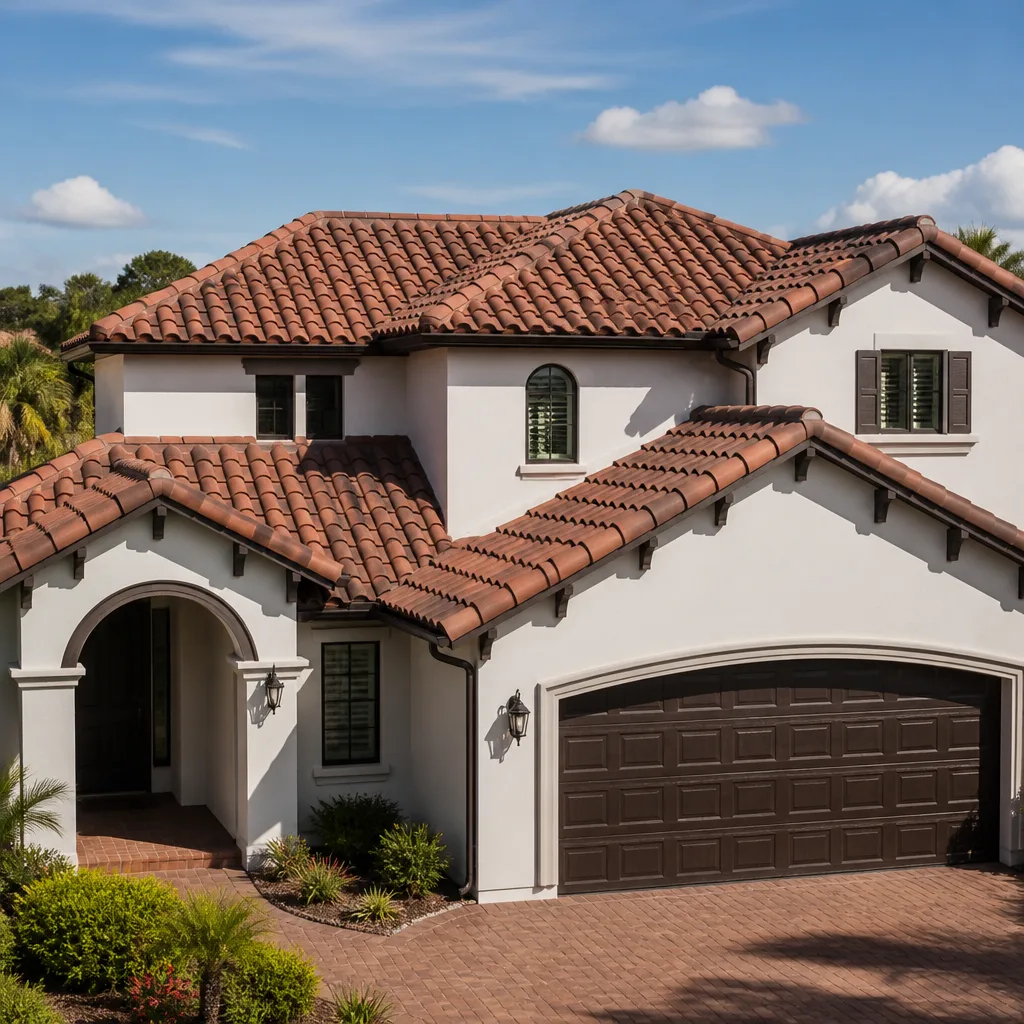
 Tile roofing
 Architectural shingles
 Metal roofing
 GAF
GAF Owens Corning
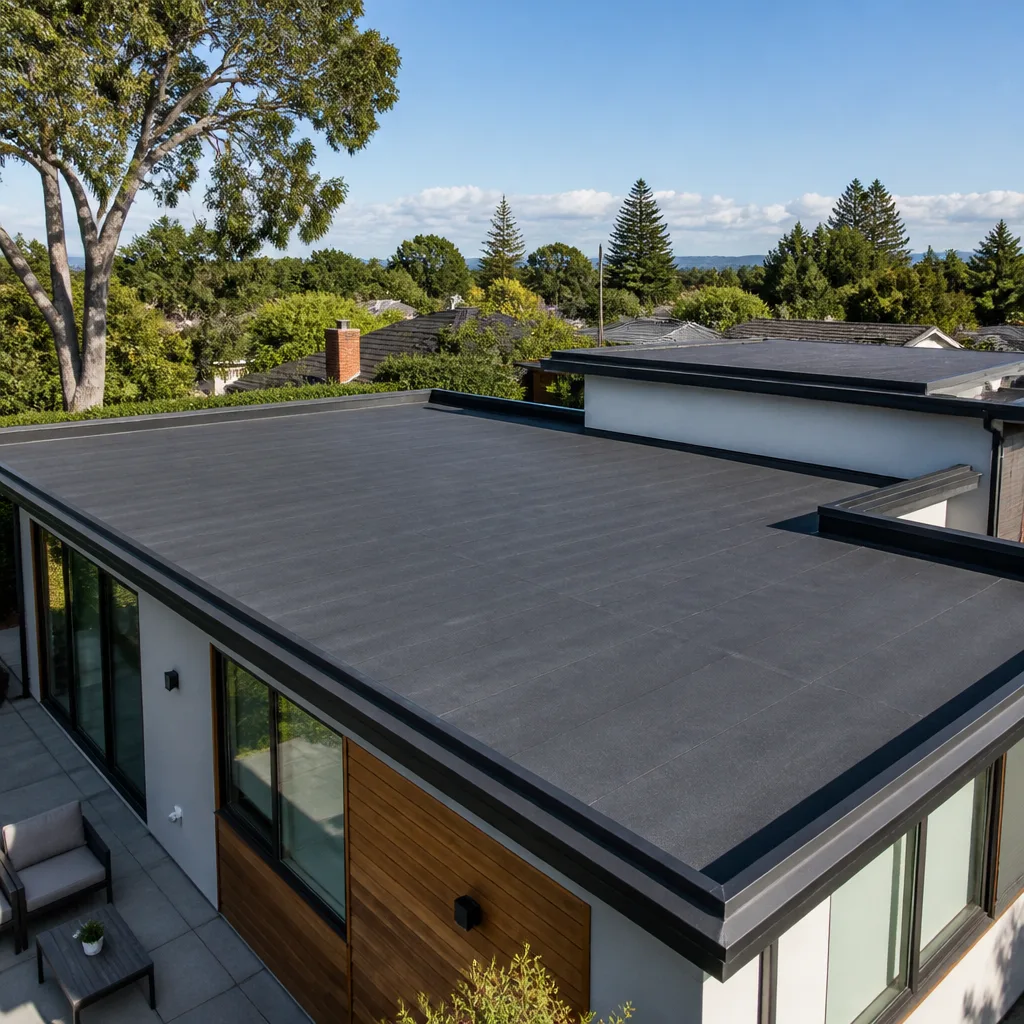 Flat & low-slope
Free roof inspection with deck photos before we talk money - GAF and Owens Corning certified installation
IKO Flashing Replacement: The Orange County Owner’s Guide
IKO flashing replacement in Orange County typically runs $450 – $950 installed, depending on which flashing points have failed and how much surrounding shingle or underlayment needs to come up. We stock IKO-compatible flashing on our trucks and can usually complete a standard chimney, wall, or valley flashing replacement the same day we diagnose it.
Most Orange County homeowners discover their flashing has failed the hard way: a brown water stain appears on the ceiling after the first real rain in months, or paint starts bubbling near a wall intersection. Flashing is the metal that redirects water at the joints and transitions of your roof, and when it goes, the IKO shingles themselves are usually still fine. The failure is at the seam, not the field. That’s why replacing the flashing often saves the roof.
We’re an independent roofing company, not affiliated with IKO, but we work with their Cambridge, Dynasty, Nordic, and Marathon lines regularly across Orange County. The flashing doesn’t care whose shingle is above it, but the install details sometimes do.
Which IKO Models This Applies To
IKO flashing replacement covers any IKO asphalt shingle roof in Orange County: Cambridge, Dynasty, Nordic, Marathon, and the newer Dynasty performance lines all use the same flashing fundamentals. Step flashing against walls and chimneys, valley metal where two roof planes meet, and drip edge at the eaves and rakes. The metal doesn’t vary much by shingle line, but there’s one compatibility gotcha worth knowing: IKO’s heavier Dynasty and Nordic shingles have a higher profile, which means the step flashing needs a slightly taller vertical leg to tuck cleanly behind the siding or stucco. A flashing piece sized for a thinner three-tab shingle will leave too little coverage at the wall, and water finds that gap in the first wind-driven rain.
If you’re trying to identify what you have, look at the shingle color name printed on the wrapper or ask us during an inspection. We match flashing gauge and finish (galvanized steel, aluminum, or painted) to whatever the original installer used. For OEM versus aftermarket: IKO doesn’t manufacture its own flashing metal, so “aftermarket” is the wrong word here. What matters is the gauge and material, and we carry 26-gauge galvanized and .024 aluminum on the truck for most IKO replacements. Heavier gauge metal lasts longer in the salt air you get closer to the coast in Orange County, and we’ll match or upgrade what’s there.
Styles & brands we work with
Signs Your IKO Flashing Replacement Is Failing
- Ceiling stain below a wall or chimney. This is the classic symptom. The water isn’t coming through the shingles; it’s getting behind the flashing at the roof-to-wall joint and running down a rafter or the underside of the sheathing until it finds a seam to drip through.
- Lifted or curling flashing at the roof surface. Over years, the repeated expansion and contraction from Orange County’s hot days and cool nights breaks the sealant bond between flashing and shingle. You’ll see the metal lifting at an edge, and that’s an invitation for wind-blown rain.
- Rust or corrosion on exposed flashing. Galvanized flashing eventually sacrifices its zinc coating, especially within a few miles of the ocean in places like Laguna Niguel or Dana Point. Once you see rust blooms, the metal is thinning and pinholes are next.
- Water staining on interior walls below the roofline. If the wall itself is wet, not the ceiling, the step flashing behind the siding or stucco has likely failed, and water is traveling down the wall cavity instead of across the attic.
- Granules accumulating in gutters near valleys. Valley flashing failure doesn’t always show inside. Water runs under the shingle at the valley and erodes the underside, washing granules away. You might see the valley line looking thin or dark before you ever get a leak.
See the difference
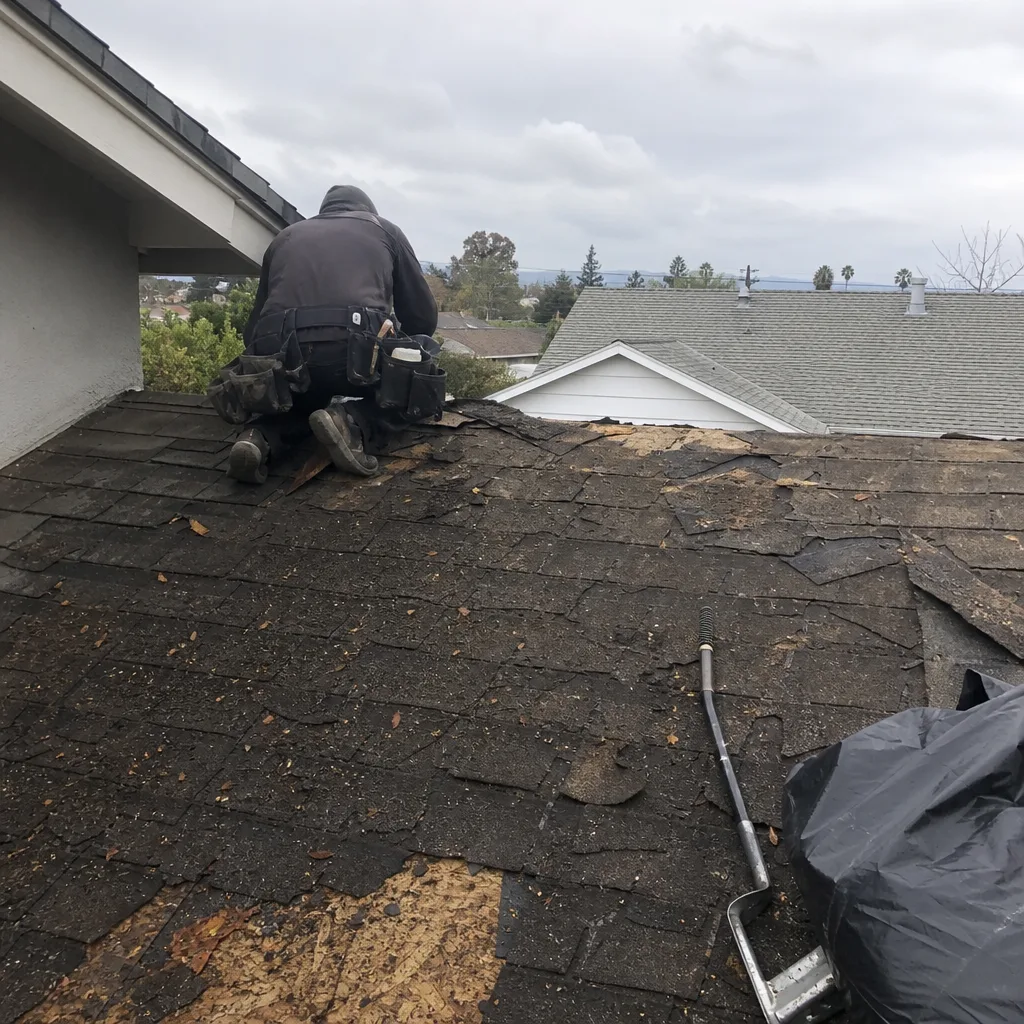 Before
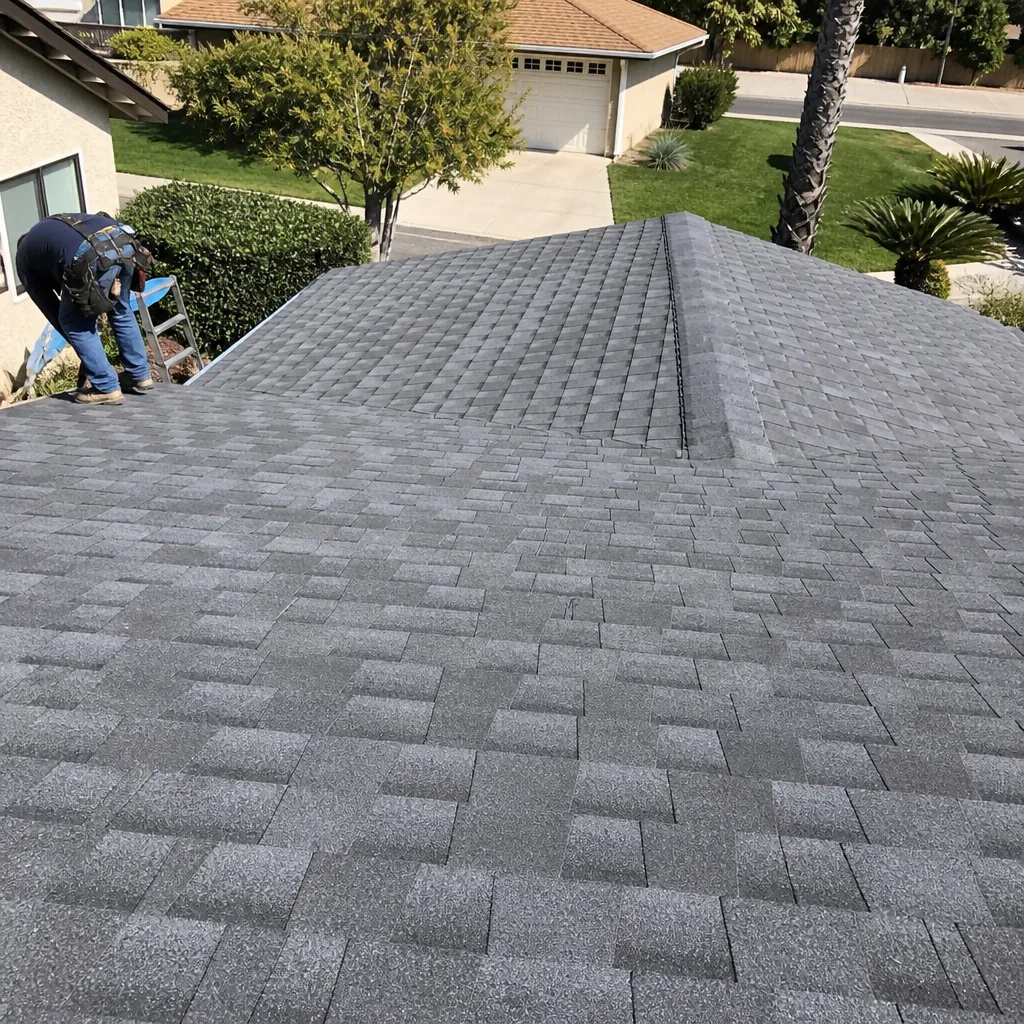 After
After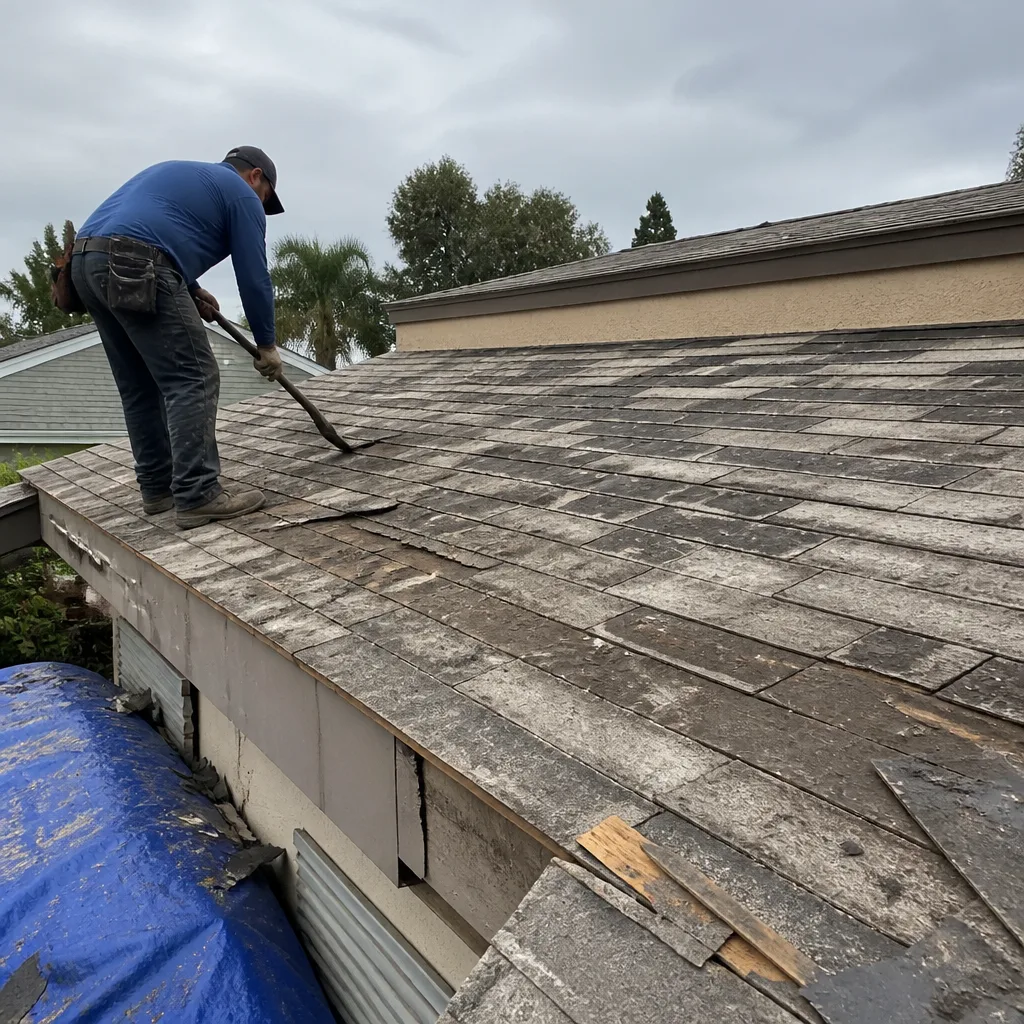 Before
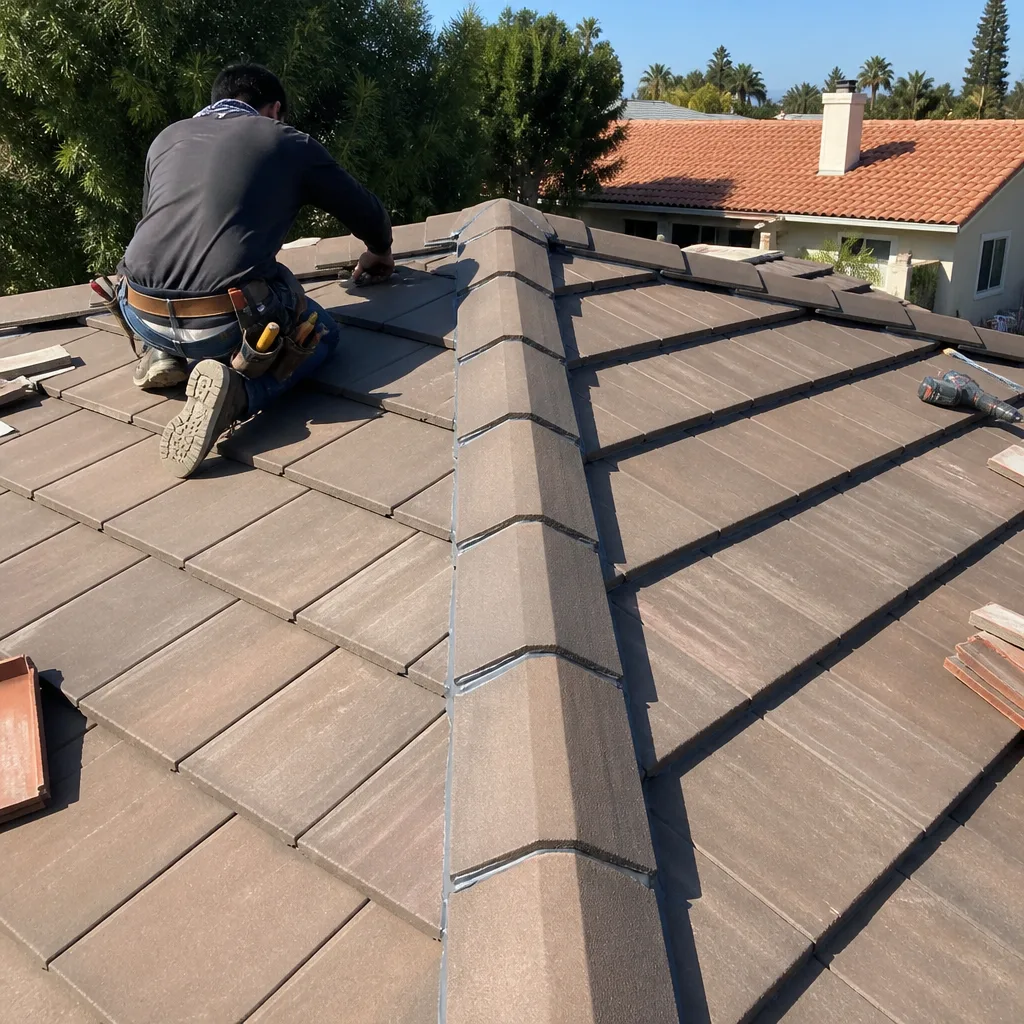 After
After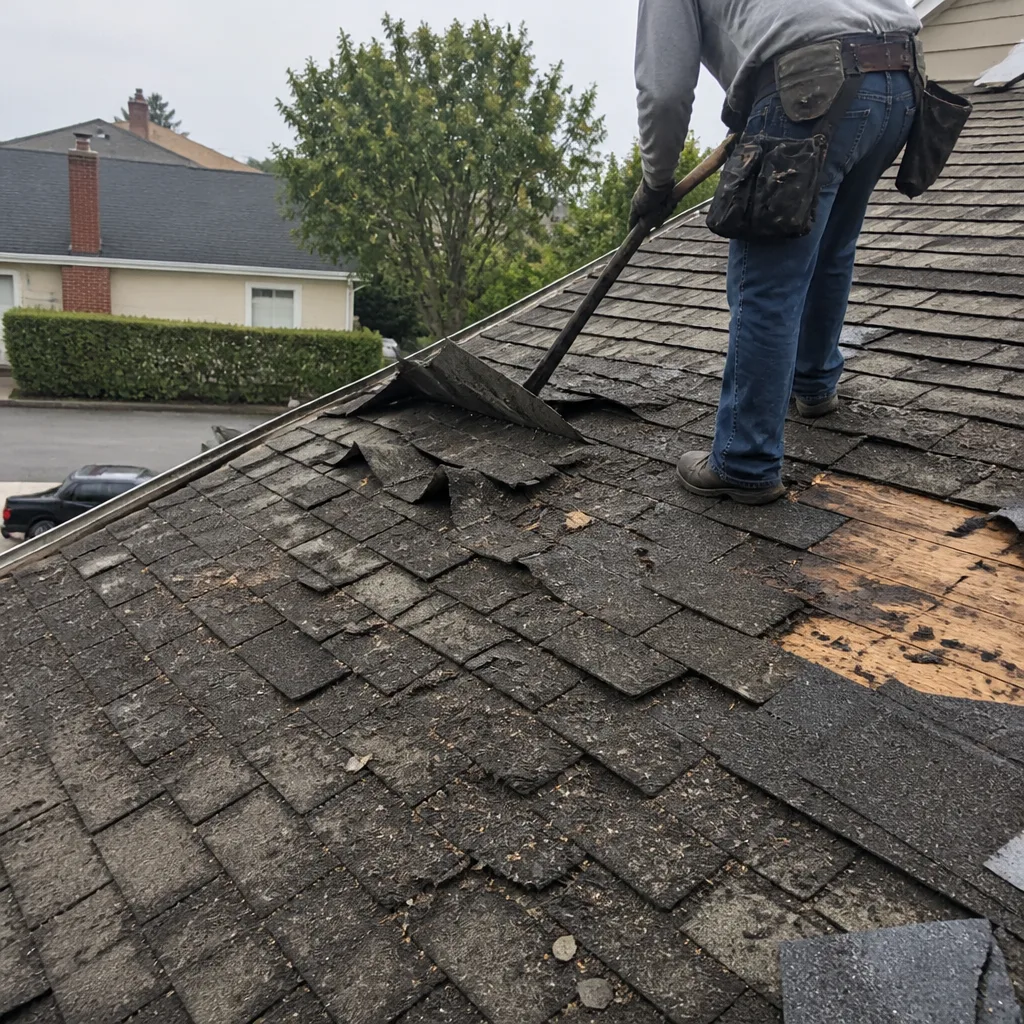 Before
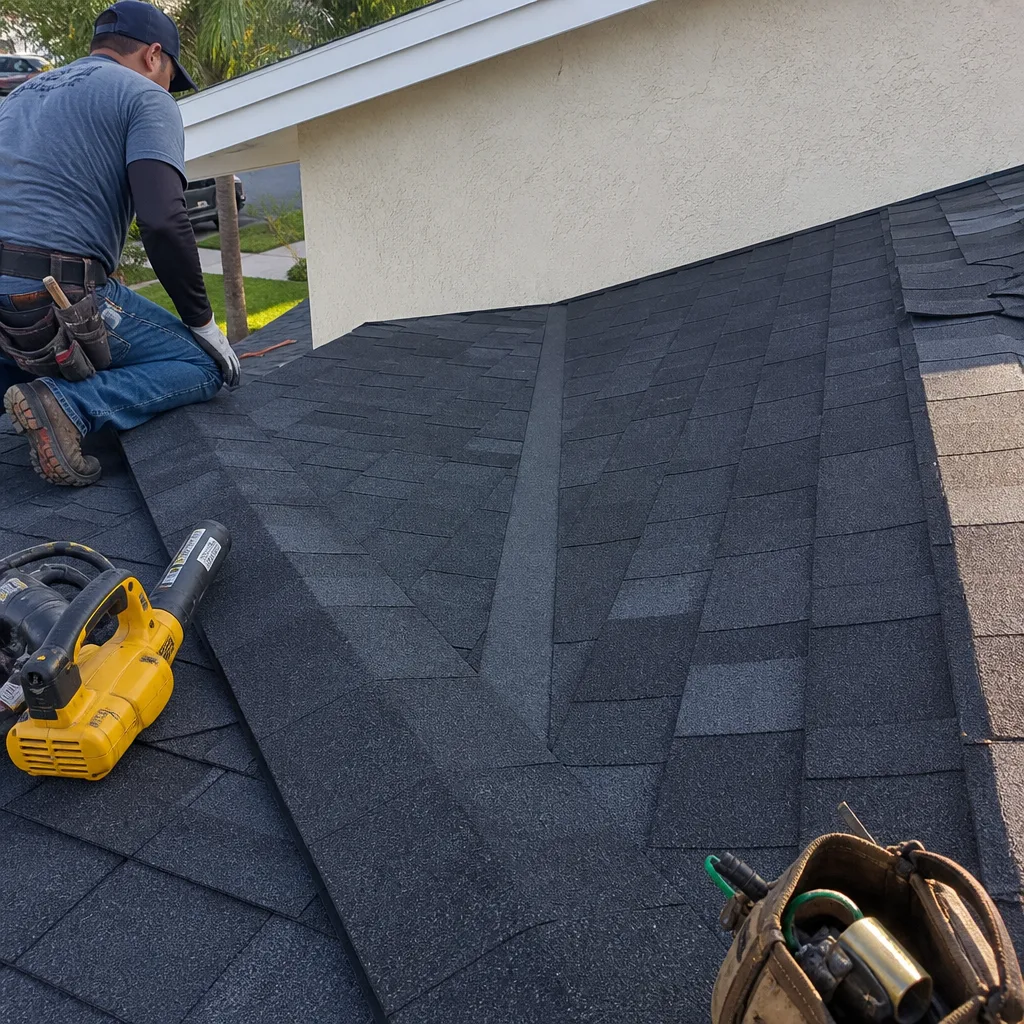 After
AfterReplacement Cost & What’s Included
In Orange County, IKO flashing replacement prices break down like this: replacing step flashing on one wall runs $450 – $700; replacing a valley run is $550 – $850; replacing chimney flashing with new counter-flashing and sealant runs $600 – $950. These are installed prices, not just parts. Labor is the bulk of the cost because the flashing has to be woven under existing shingles, and that means lifting shingle courses without breaking the seal strips.
Every IKO flashing replacement from us includes removal of the old flashing, installation of new matched flashing, re-securing and sealing lifted shingles, and a written guarantee on the repair. The written price comes before we touch the roof, and it includes all parts and labor. There are no add-ons once the work is underway. If a repair fails inside the guarantee period, we return and fix it at no charge under our 365-Day Done Right Promise. That’s the Kingswell Way, and it’s how we operate every flashing job in Orange County.
DIY or Call Us?
Replacing roof flashing is not a safe weekend project, and we say that plainly. The work happens at the roof edge or against a wall, often on a ladder or on the roof surface itself, and Orange County’s dusty tile and composition roofs get slick fast. Lifting shingles without breaking the adhesive strip takes a specific touch, and sealing flashing wrong means you’ve created the leak you were trying to prevent.
What you can safely do is look from the ground or a window: see lifted metal, rust, or missing pieces and note where. Take a photo. That helps you explain what you’re seeing when you call. But leave the tear-off to us. We walk the job, we give you a written number, and the flashing gets replaced correctly the first time. Call (559) 295-5445 and we’ll schedule the inspection.
FAQs
Galvanized flashing typically lasts 15 – 20 years in Orange County, and aluminum runs 20 – 25, but the real variable is location: coastal salt air near Laguna Beach or Newport Beach corrodes metal noticeably faster than inland areas like Mission Viejo or Lake Forest. The sealant bond also degrades in our sun, so flashing can start failing well before the IKO shingles around it do.
Sometimes. If a small section of sealant has dried and lifted, we can re-secure and reseal it. But if the metal is rusted through, bent, or the flashing was installed with the wrong size to begin with, patch work fails again inside a year, and you’re back where you started. We’ll tell you honestly which situation you have before quoting anything. Call (559) 295-5445 and we’ll take a look.
A single wall or valley flashing replacement takes most of one day, usually four to six hours on site. Chimney flashing with new counter-flashing can stretch to a full day if we need to cut a new reglet into the stucco or mortar. You’ll know the timeline before we start, and it’s in the written quote.
Yes. We carry 26-gauge galvanized and .024 aluminum flashing in the sizes and finishes that match IKO Cambridge, Dynasty, and Nordic installations, along with matching sealant, fasteners, and drip edge. We also stock parts for GAF, Owens Corning, and CertainTeed roofs, so whatever’s on your house, we’re not making a supply run and adding days to the job.
If your IKO roof is showing signs of flashing failure somewhere in Orange County, the next step is a straightforward one. Call (559) 295-5445 and we’ll schedule a time to walk the roof with you. You’ll get a written price before any work starts, and the repair is covered by our written guarantee. Greg Holloway and the Tilehurst Roofing Orange County crew have been working on Orange County roofs long enough to know exactly what failing flashing looks like, and how to fix it so it stays fixed.
Written by Greg Holloway, Owner, Tilehurst Roofing Orange County at Tilehurst Roofing Orange County, serving Orange County and nearby areas.