
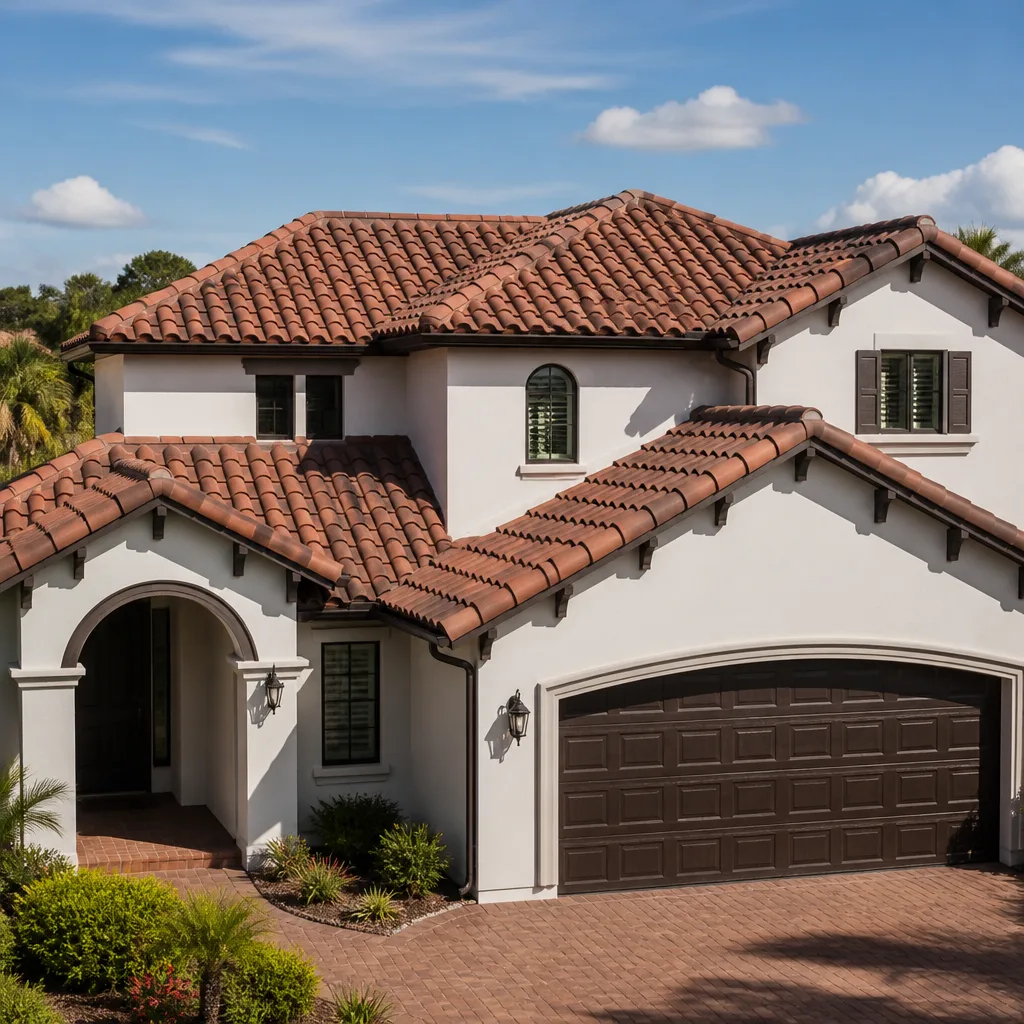
 Tile roofing
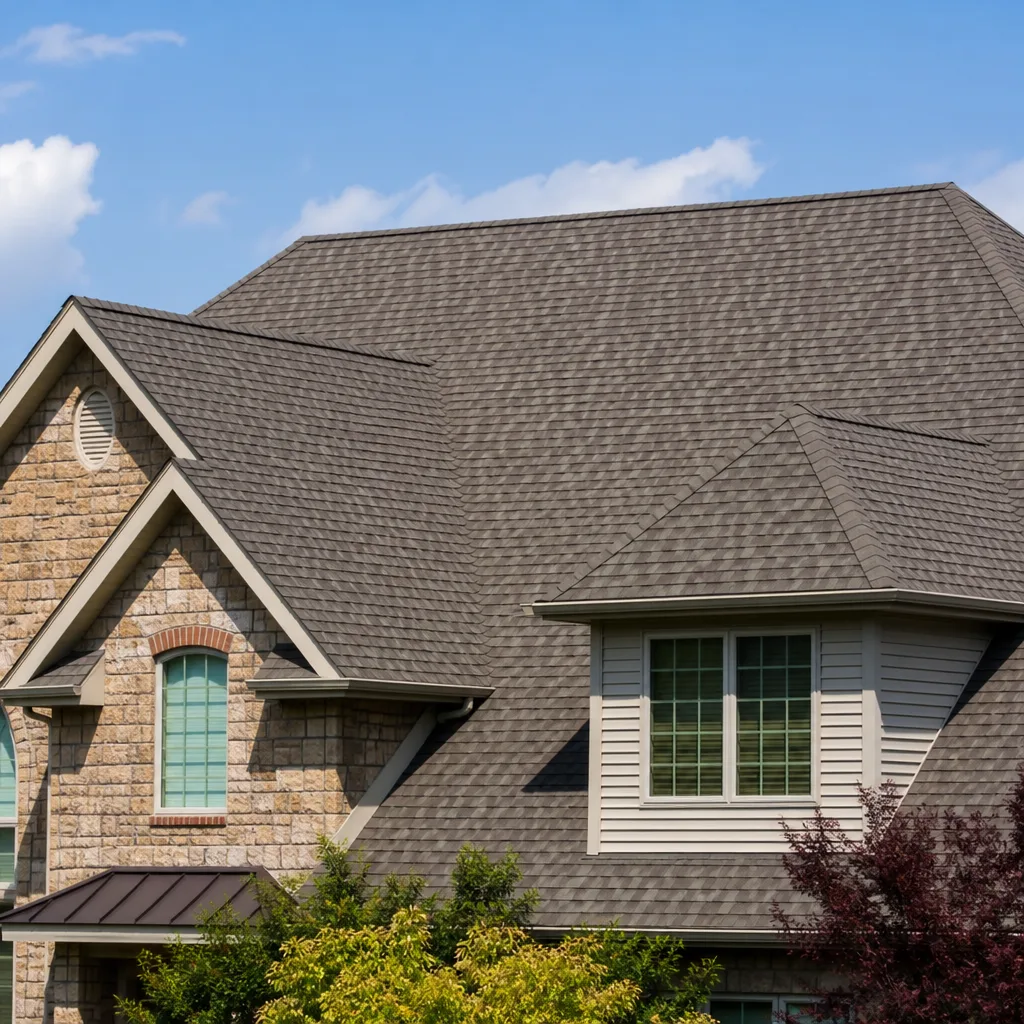 Architectural shingles
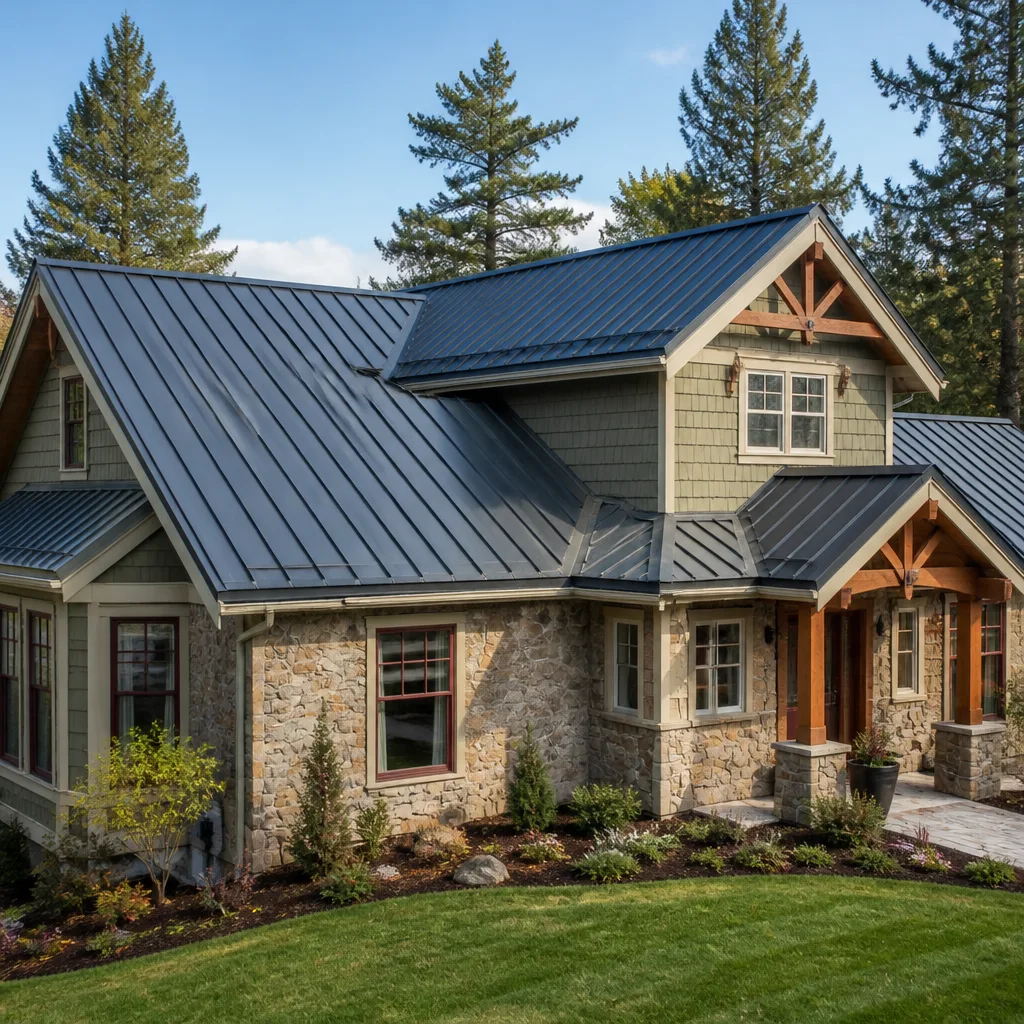 Metal roofing
 GAF
GAF Owens Corning
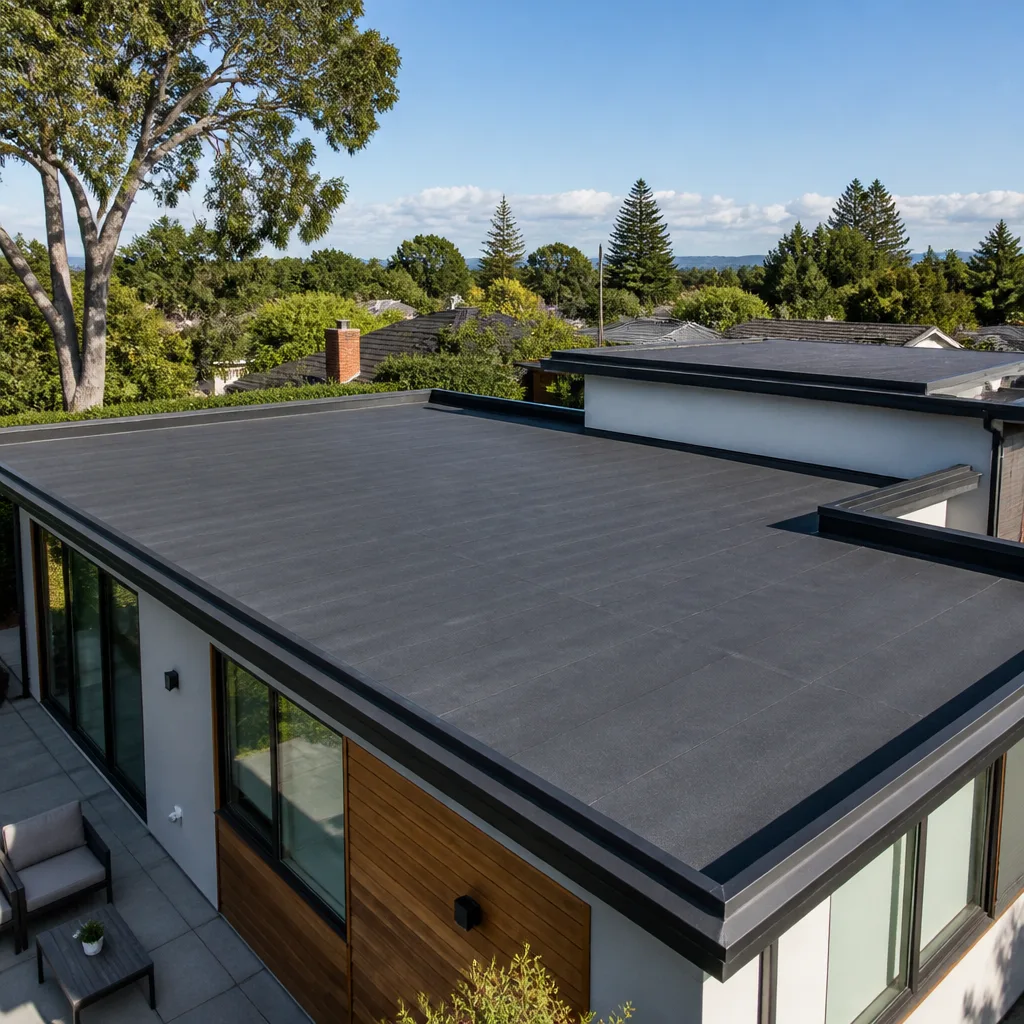 Flat & low-slope
Free roof inspection with deck photos before we talk money - GAF and Owens Corning certified installation
Atlas Flashing Replacement: The Orange County Owner’s Guide
Most Atlas flashing replacement in Orange County runs $450 – $950 installed, depending on the flashing type, roof pitch, and how many sections have failed. We stock Atlas-compatible flashing on our trucks and can typically complete the swap the same day we diagnose it, because we carry the common profiles rather than ordering after the fact. The way most homeowners discover the problem is a water stain on the ceiling after the first real rain of the season, or a roofer pointing out corrosion during an unrelated inspection. Flashing quietly fails for years before it announces itself, and by the time you see the stain, the metal has usually been compromised for a while.
Which Atlas Models This Applies To
Atlas flashing isn’t a single universal part. The company manufactures step flashing, headwall flashing, pipe flashing, valley flashing, and drip edge, each in different gauges and finishes to match their shingle lines. If you have Atlas Pinnacle, StormMaster, or GlassMaster shingles, the flashing profile is standard 26-gauge galvanized or aluminum, but the finish matters: Atlas uses a specific matte texture on certain accessory lines that some generic replacements don’t match. Here’s the compatibility gotcha we see regularly in Orange County: homeowners buy a universal pipe boot at a big-box store, install it, and it doesn’t seat properly against the Atlas shingle’s granule texture, which leads to a slow leak at the collar within a year. We recommend OEM Atlas flashing or a verified aftermarket match in the same gauge and width, not whatever’s on the shelf. The quickest way to identify your part is to look at any printed stamping on the exposed metal, or measure the width and count the bends. If that’s not something you want to do from a ladder, we’ll do it during the estimate.
Styles & brands we work with
Signs Your Atlas Flashing Replacement Is Failing
- Water staining on ceilings or walls near roof penetrations – this is the classic first signal. Chimneys, vent pipes, and skylights are the usual entry points because the flashing there is doing the heaviest lifting. In Orange County, we see this most often after a long dry stretch, when the first rain finds every weak seam.
- Rust streaks or visible corrosion on exposed flashing – ocean air accelerates metal breakdown. Homes within a few miles of the coast in Dana Point or Laguna Niguel can see galvanized flashing corrode five to ten years sooner than inland properties. Once rust is visible, the metal is already thinning and pinholes are forming.
- Gaps or lifting where flashing meets the roofline – flashing that’s pulling away from the wall or chimney means the sealant has failed or the fasteners have backed out. You can often spot this from the ground with a pair of binoculars. The gap doesn’t have to be large; water follows gravity, not logic.
- Granules accumulating in gutters near flashing points – this signals the shingles adjacent to the flashing are wearing unevenly, which often means water is pooling or running in a concentrated path. The flashing itself may still look fine, but the surrounding roof is telling you something’s off.
- Caulk or sealant that’s cracked, shrunken, or missing – nobody should be caulking over flashing as a permanent fix. If you see old caulk squeezing out or gone entirely, that flashing has already been patched once, and patches on flashing are temporary by nature. The metal underneath is usually worse than what you can see from the ladder.
See the difference
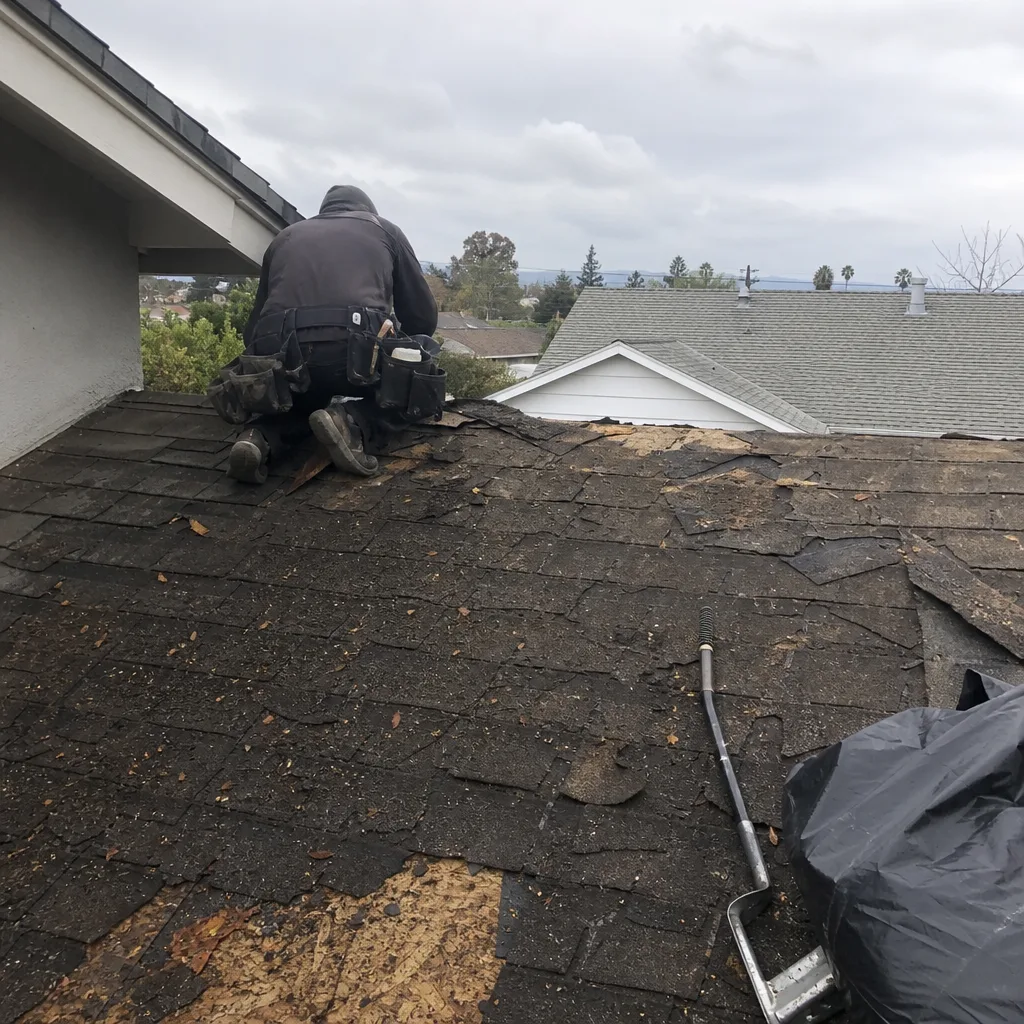 Before
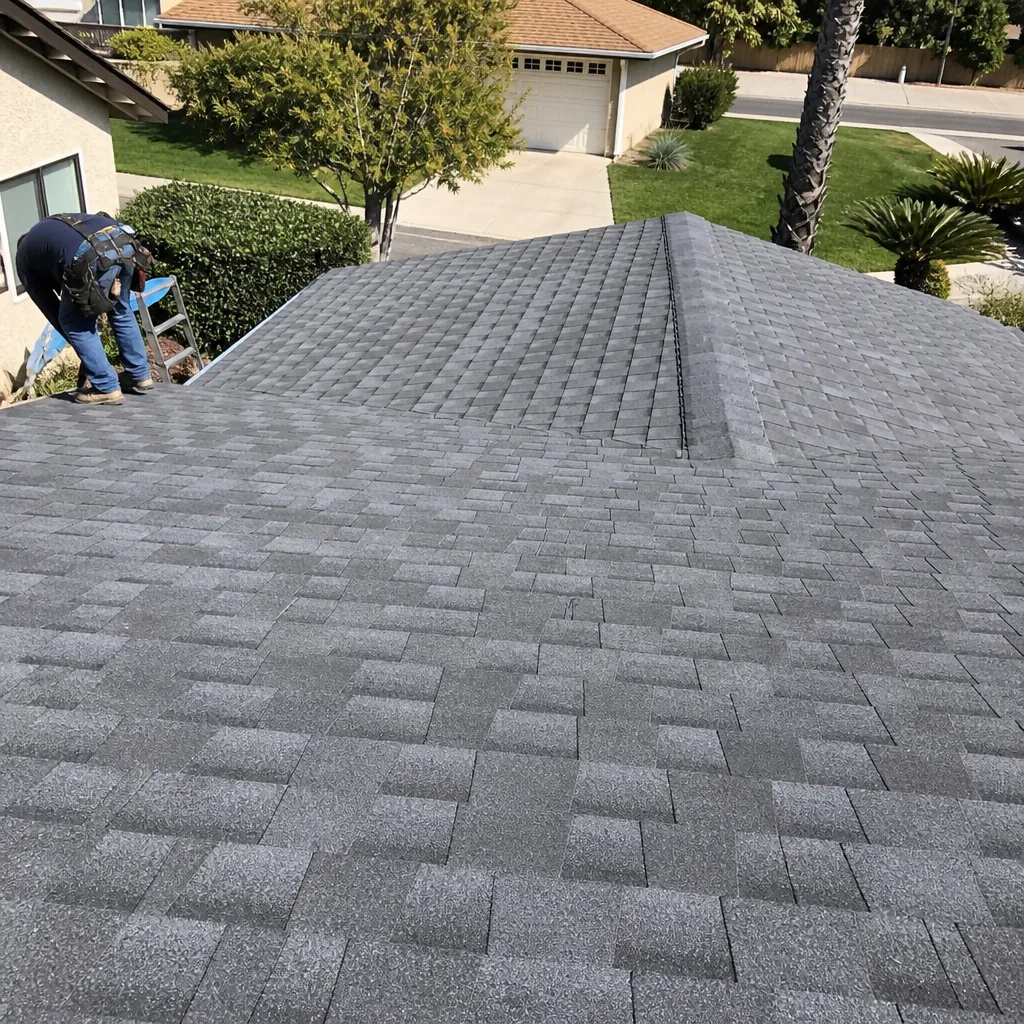 After
After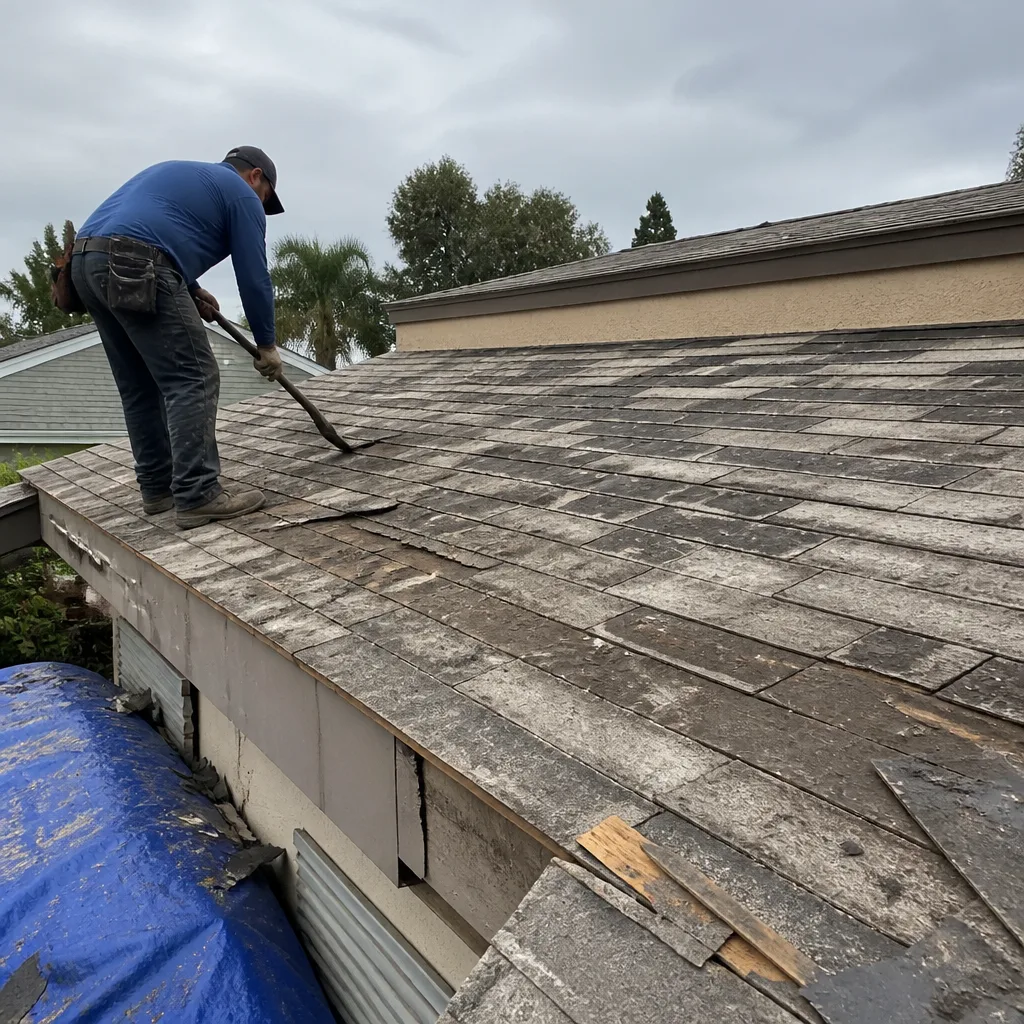 Before
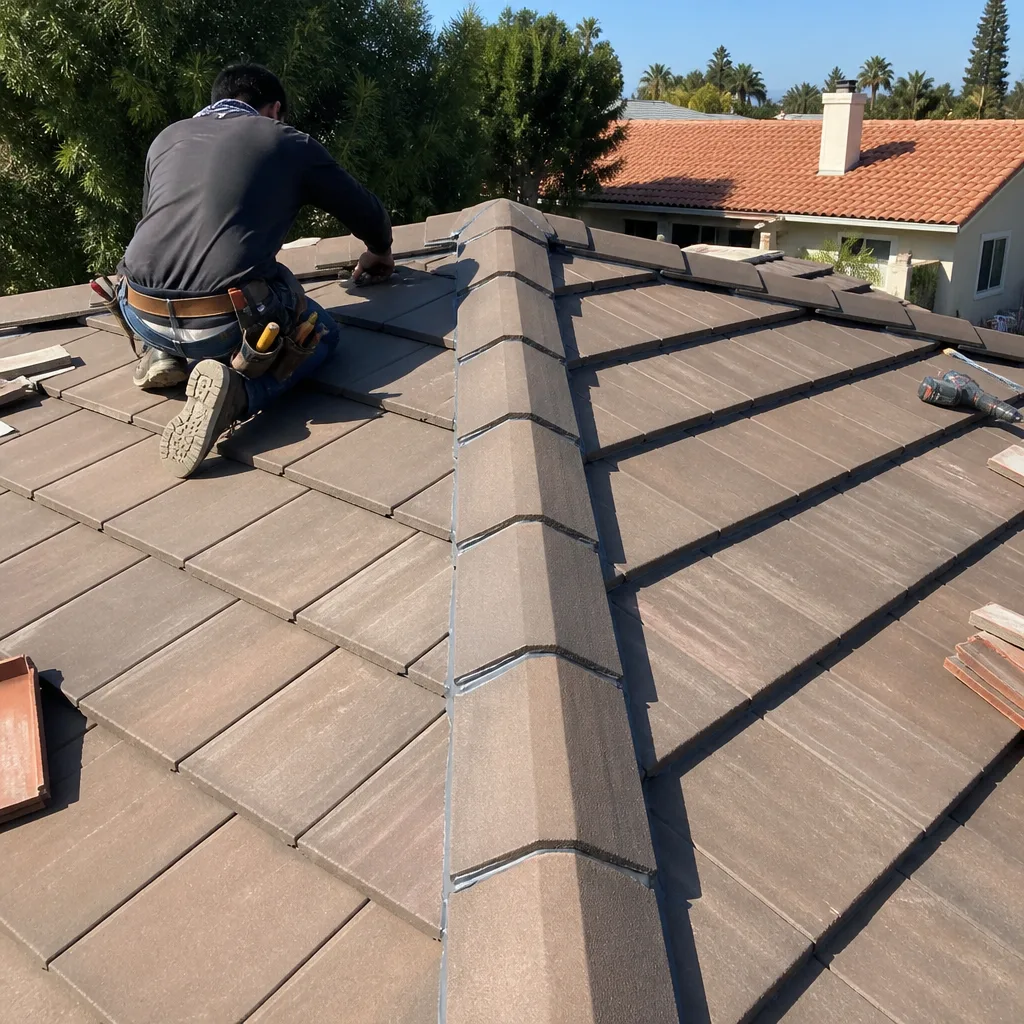 After
After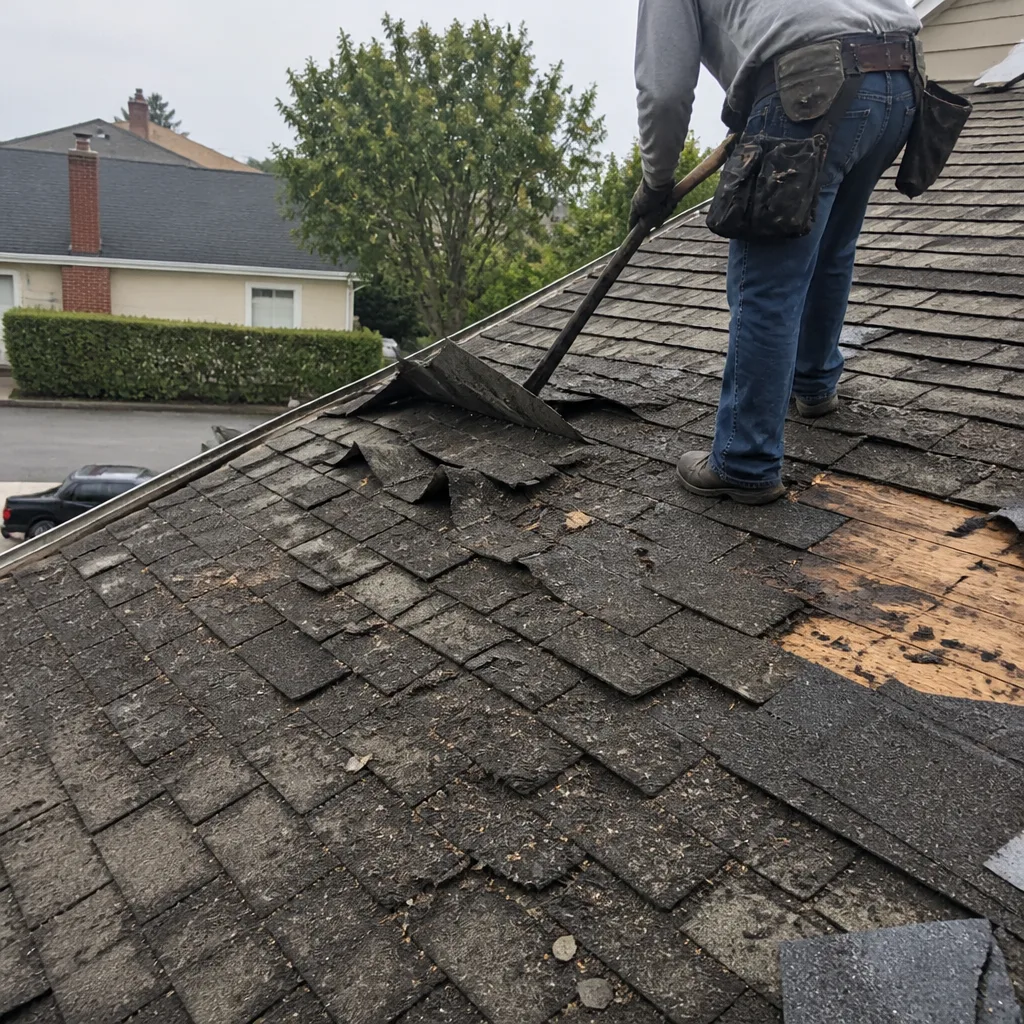 Before
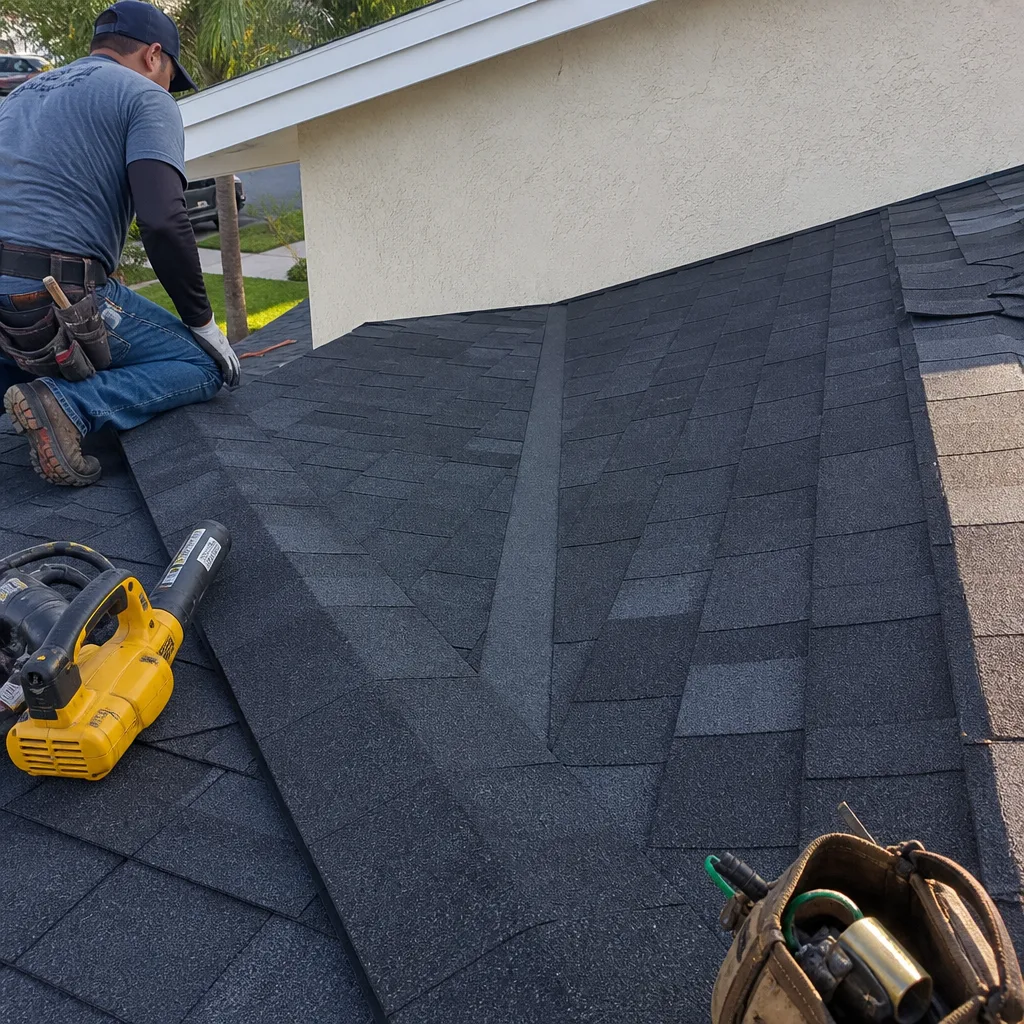 After
AfterReplacement Cost & What’s Included
In Orange County, expect these installed ranges: pipe flashing replacement typically runs $450 – $650 per penetration, step flashing along a wall or chimney runs $600 – $950 depending on linear footage and height, and valley flashing replacement runs $700 – $1,100 when it requires lifting shingles to access the full run. The price drivers are the roof pitch (steep roofs require staging and slower work), the number of stories, and whether the decking underneath is water-damaged and needs spot repair. Every Tilehurst Roofing quote includes the flashing, fasteners, sealant, removal of old material, and the labor, written as a single number before we touch anything. No line items appear after the work starts. We also write the guarantee before we leave: if the flashing repair fails inside a year, we return and fix it at no charge under our 365-Day Done Right Promise. That’s not a negotiation point; it’s just how we work.
DIY or Call Us?
You can check from the ground for rust streaks, lifted edges, and missing sealant. That’s smart and free. What you shouldn’t do is get on a ladder with a caulk gun and expect to solve the problem, because flashing failures are almost never about surface sealant. The metal itself has usually cracked, corroded, or separated at a seam, and caulking over that just hides the problem until the next big rain. If the flashing is around a chimney or on a second-story roof, the risk of a fall climbing up there with tools in hand isn’t worth the few hundred dollars you might save. One consistent pattern from my years on roofs across Orange County: by the time a homeowner calls us, they’ve usually tried one DIY fix already, and the fix failed, and the repair cost went up because water had more time to work. You get the price before we touch a shingle. That’s how it starts, and that’s how we stay. If you want an honest assessment and a written number, call us at (559) 295-5445.
FAQs
Standard galvanized flashing lasts 15 – 25 years in Orange County depending on proximity to the coast. Homes within three to five miles of the ocean often see corrosion-related failures in 12 – 18 years, while inland properties in Mission Viejo or Rancho Santa Margarita can get 20 – 25 years out of the same metal. Aluminum flashing lasts longer in salt air but costs more up front. Call (559) 295-5445 and we’ll tell you what you’re working with.
Small pinholes and minor separation can sometimes be addressed with a patch and fresh sealant, and that’s a legitimate repair when caught early. But if the metal is rusted through in multiple spots or the flashing has pulled away from the wall or curb, repair becomes a temporary bandage that fails again inside a year or two. We’ll tell you honestly which situation you have, and the estimate we write will reflect what actually needs to happen, not what’s easiest to quote. Call (559) 295-5445 for a straight answer.
Most single-penetration flashing replacements, like a pipe boot or a small step flashing run, take two to four hours from setup to cleanup. A chimney with full perimeter flashing or a valley replacement can take a day, especially on a steep roof or a two-story home. The longest part is usually waiting for the existing sealant and underlayment to be fully exposed so we can confirm the decking is still sound. We’ll give you a window before we start and show up in it.
We stock the common Atlas-compatible profiles, including pipe boots, step flashing, and drip edge, on our trucks in Orange County so most replacements can happen the same day we diagnose the problem. We’re an independent service provider, not affiliated with Atlas, which means we’re not limited to one manufacturer: we also carry flashing compatible with GAF, Owens Corning, and CertainTeed systems. Your shingles determine what we use, and we make sure the gauge, width, and finish match the existing roof. Call (559) 295-5445 and we’ll tell you what’s on the truck today.
Written by Greg Holloway, Owner, Tilehurst Roofing Orange County at Tilehurst Roofing Orange County, serving Orange County and nearby areas.