
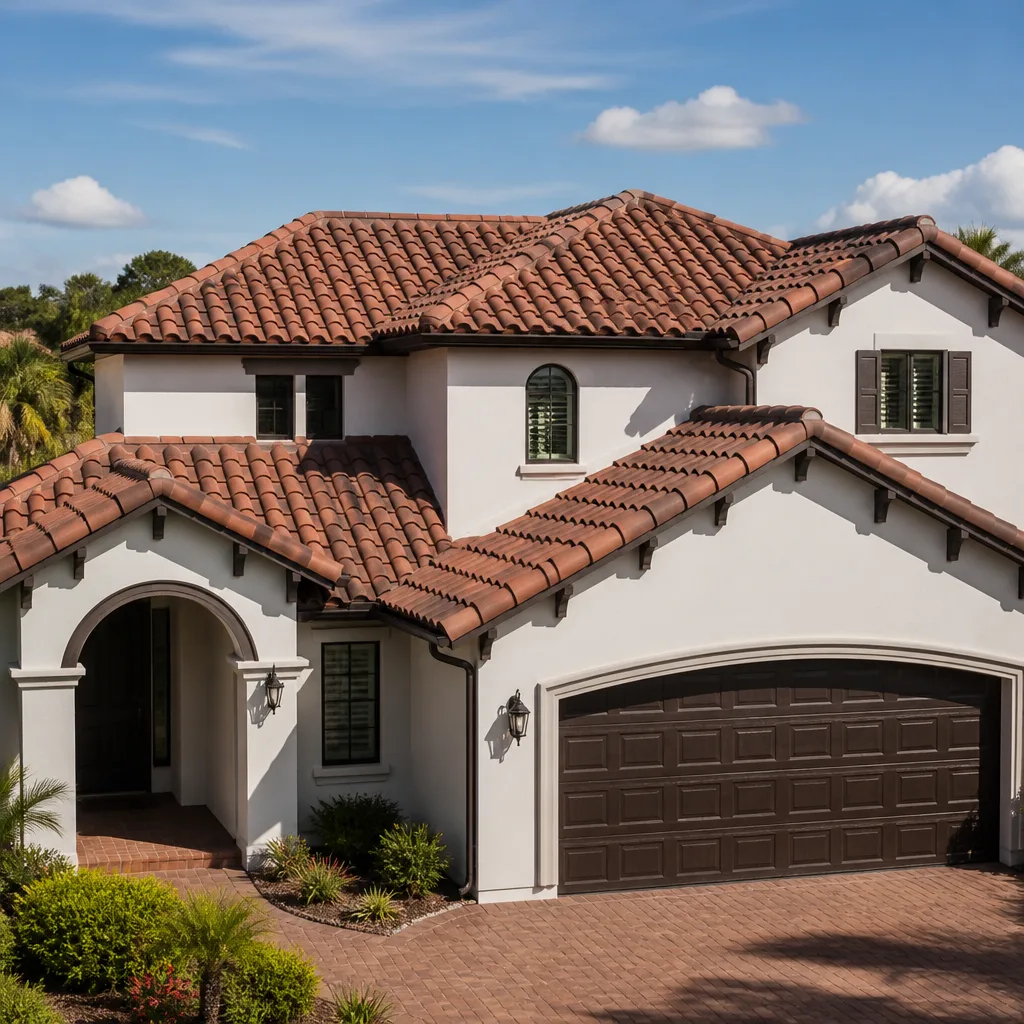
 Tile roofing
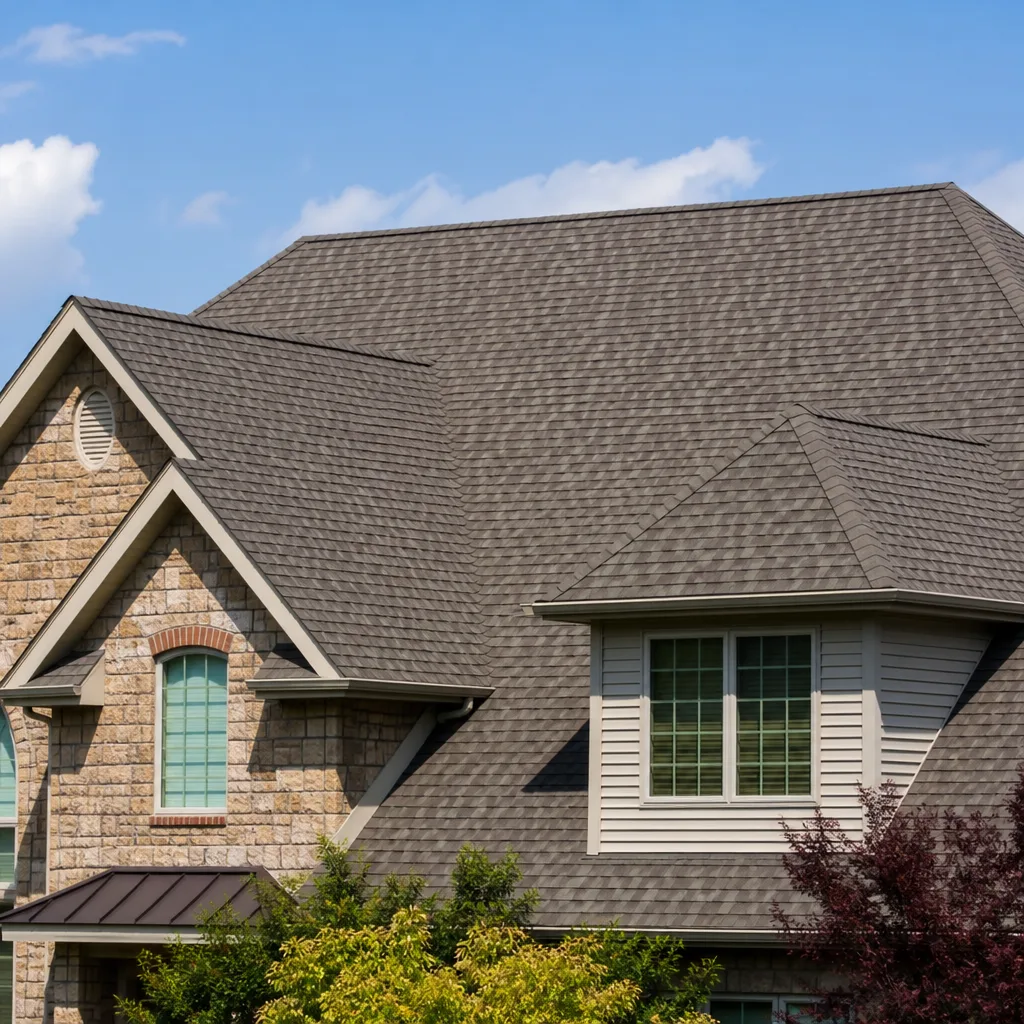 Architectural shingles
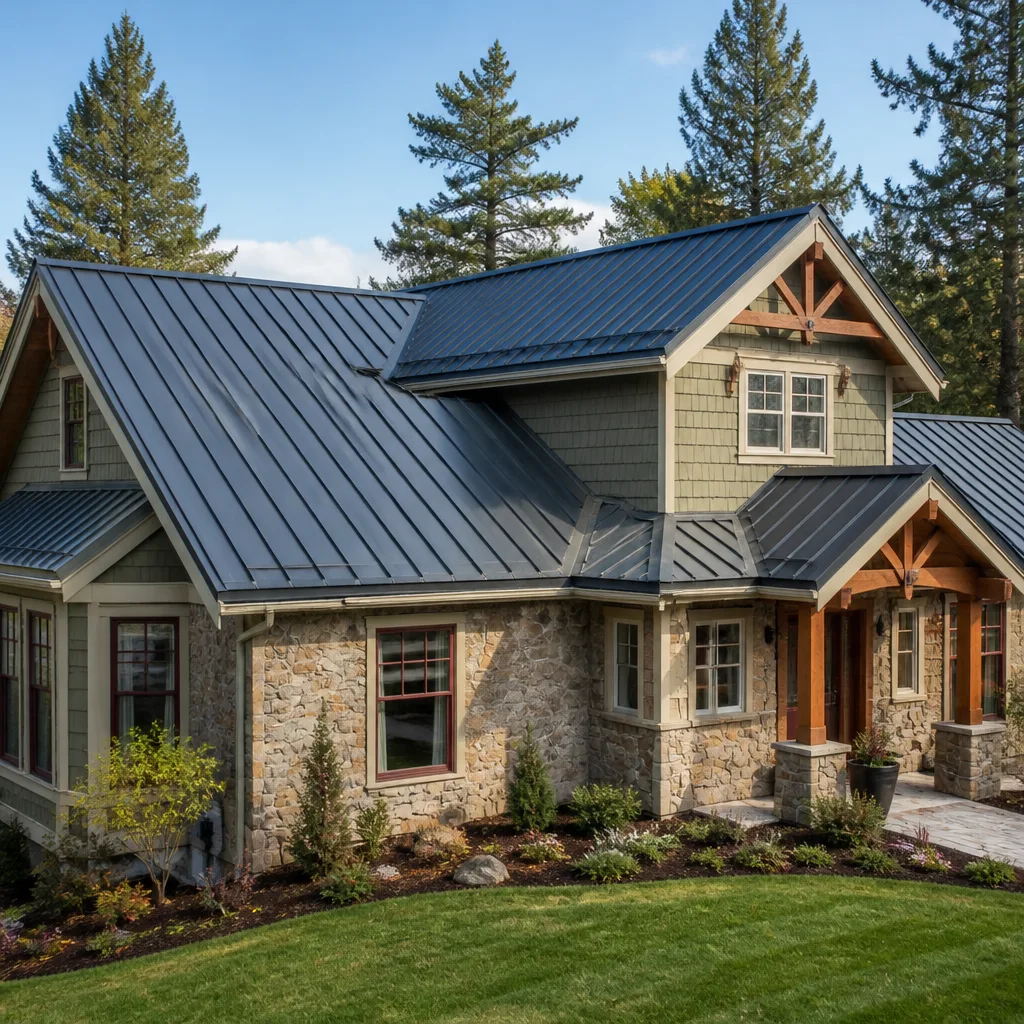 Metal roofing
 GAF
GAF Owens Corning
 Flat & low-slope
Free roof inspection with deck photos before we talk money - GAF and Owens Corning certified installation
Tamko Underlayment & Deck Repair: The Orange County Owner’s Guide
We stock and install Tamko-compatible underlayment and deck repair materials throughout Orange County, with most underlayment replacements running $850 – $2,400 installed and deck repairs typically landing between $600 – $1,800 depending on how much sheathing has to come out. Same-day and next-day appointments are available for active leaks. Most Orange County homeowners discover the problem the same way: a water stain on the ceiling after a heavy rain, or a roofer from another company pointing at soft plywood during an unrelated estimate and saying the deck is shot.
Here’s the thing about underlayment failure in Southern California: it rarely announces itself. The sun does the damage slowly, baking the asphalt out of the felt or synthetic sheet until it’s brittle and cracked. Then one good winter storm works its way through, and the plywood underneath starts soaking up water. By the time you see a stain inside, the deck has usually been wet for a while. That’s the repair we do most often in Orange County, and it’s a job where knowing the Tamko system matters more than most people expect.
Which Tamko Models This Applies To
Tamko makes two main underlayment lines that we see regularly on Orange County roofs: the TW Metal and Tile Underlayment, which is a fiberglass-reinforced asphalt sheet built for use under concrete tile and metal roofing, and the AQUAPLY line, a peel-and-stick modified bitumen membrane often used on low-slope sections. The compatibility gotcha most homeowners miss: Tamko manufactures TW underlayment in different roll weights, and the heavier 40-pound class is specified for tile roofs on steeper pitches, while the lighter rolls get used on flatter sections. If a previous installer used the lighter sheet where the heavier one belongs, you’ll get premature failure, especially on the south-facing slopes that take the worst of the Orange County sun.
Identifying what’s on your roof usually means checking the roof plan from the original install, or looking for the printed selvedge edge during a repair. But if you don’t have the paperwork, the safest move is to have us match the replacement to the roof assembly, not just the brand name. We carry Tamko TW in multiple weights and AQUAPLY in available roll sizes, and we also stock equivalent GAF, Owens Corning, and CertainTeed underlayments as alternatives when a different membrane genuinely suits the roof better. Tamko makes good product, but the right underlayment is the one that matches the pitch, the tile or shingle type, and the valley design, not just the label on the existing sheet.
One honest note: Tilehurst Roofing Orange County is an independent roofing contractor. We install and repair Tamko products but are not affiliated with Tamko, and we don’t pretend to be. What that means for you is we can tell you when a Tamko product is the right call and when something else fits better, without a sales mandate pushing one brand.
Styles & brands we work with
Signs Your Tamko Underlayment & Deck Repair Is Failing
Before you call anyone, here’s what failing underlayment and decking actually look like from the ground and from inside the house. Each of these has a specific cause, and knowing which one you’re seeing tells us a lot about the scope of the repair.
- Water stains on ceilings or walls after rain. This is the classic symptom, and by the time it shows up inside, water has usually passed through the underlayment and soaked the deck plywood underneath. The stain you see is the last stop, not the first.
- Granules or asphalt residue in gutters. Tamko’s asphalt-based underlayments shed granules as they age. If you’re cleaning your gutters and finding dark, sandy material mixed with the leaf debris, the underlayment is breaking down and has likely lost its waterproofing ability.
- Soft spots or visible sagging between rafters. Wet deck plywood loses its rigidity. If you can see a dip or a soft area when you’re in the attic, or if a roofer’s boot leaves a depression, the sheathing is compromised and needs section replacement, not just a new membrane over the top.
- Curled, cracked, or missing underlayment visible at roof edges or flashings. At eaves, rakes, and around vent pipes, you can sometimes spot the edge of the underlayment. If it’s curling up or cracking, the exposed condition is a direct path for water to get under the roof covering.
- Mold or mildew smell in the attic. That musty smell means the attic has been holding moisture, and the usual source on a tile or shingle roof is failed underlayment feeding water into the deck. In Orange County’s coastal humidity zones like Laguna Niguel and Dana Point, this problem moves faster than in the drier inland areas.
None of these symptoms get better on their own. Wood holds water long after the rain stops, and asphalt underlayment doesn’t heal. The repair only grows.
See the difference
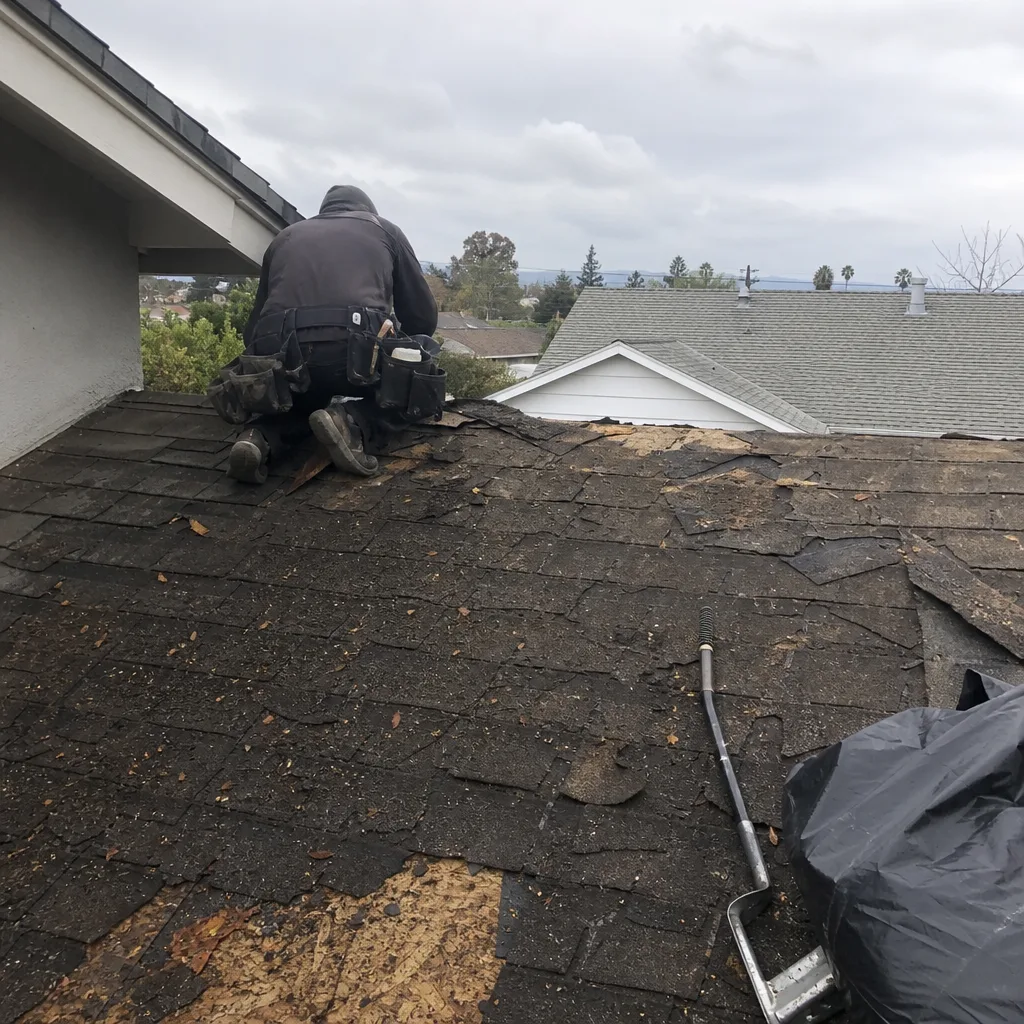 Before
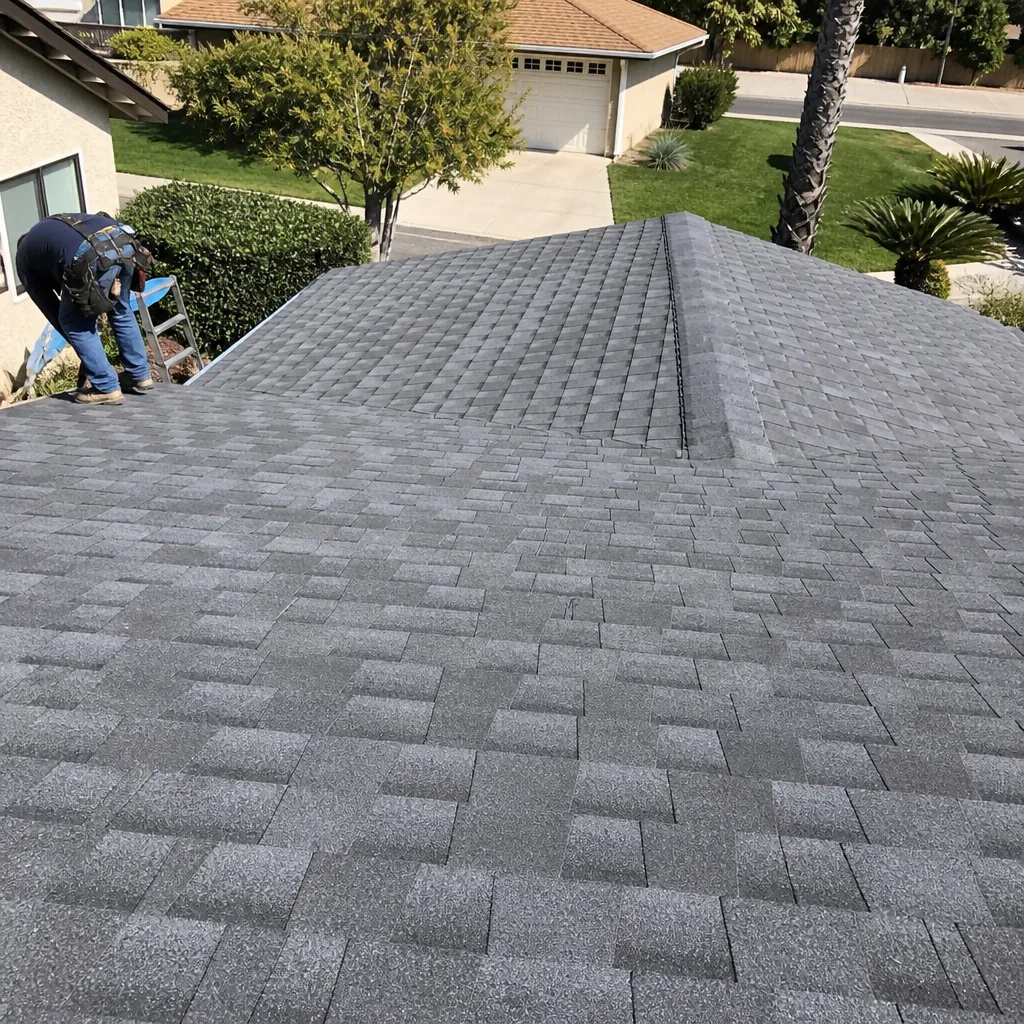 After
After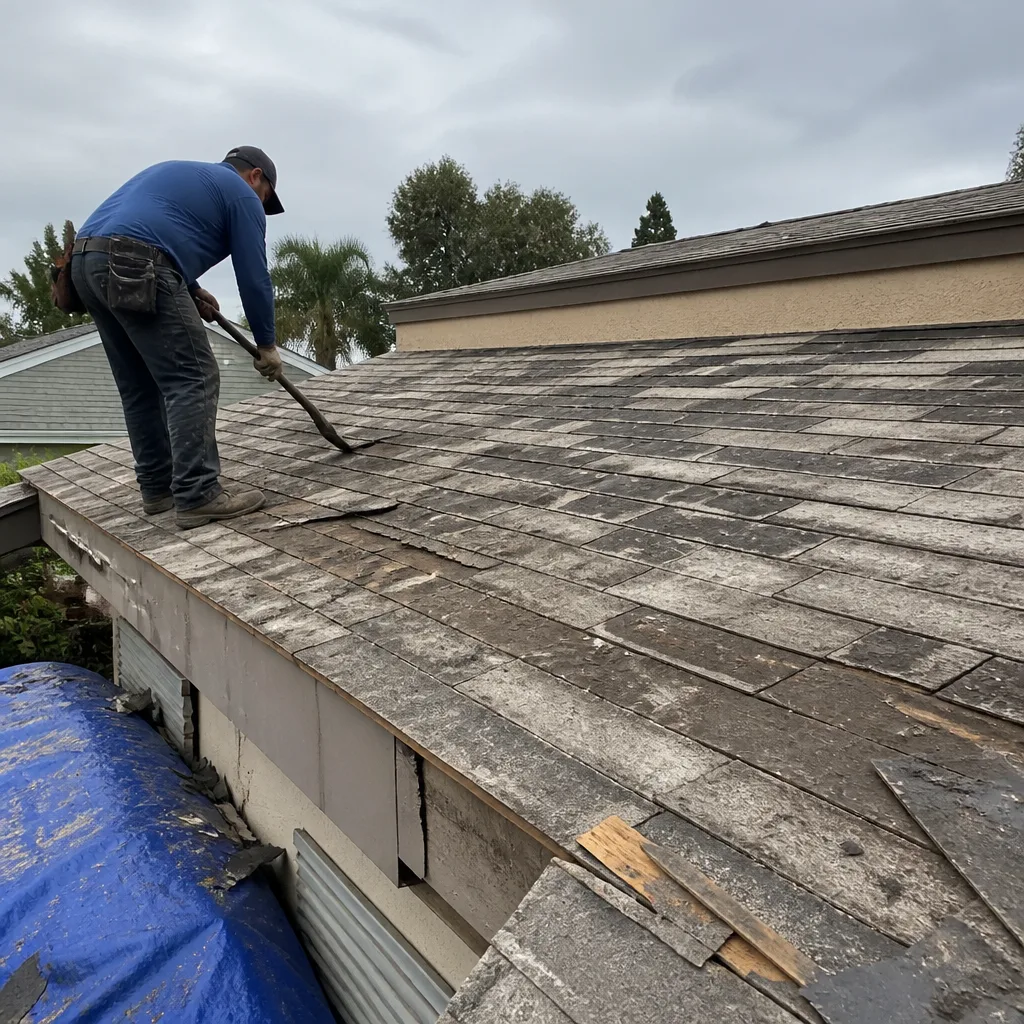 Before
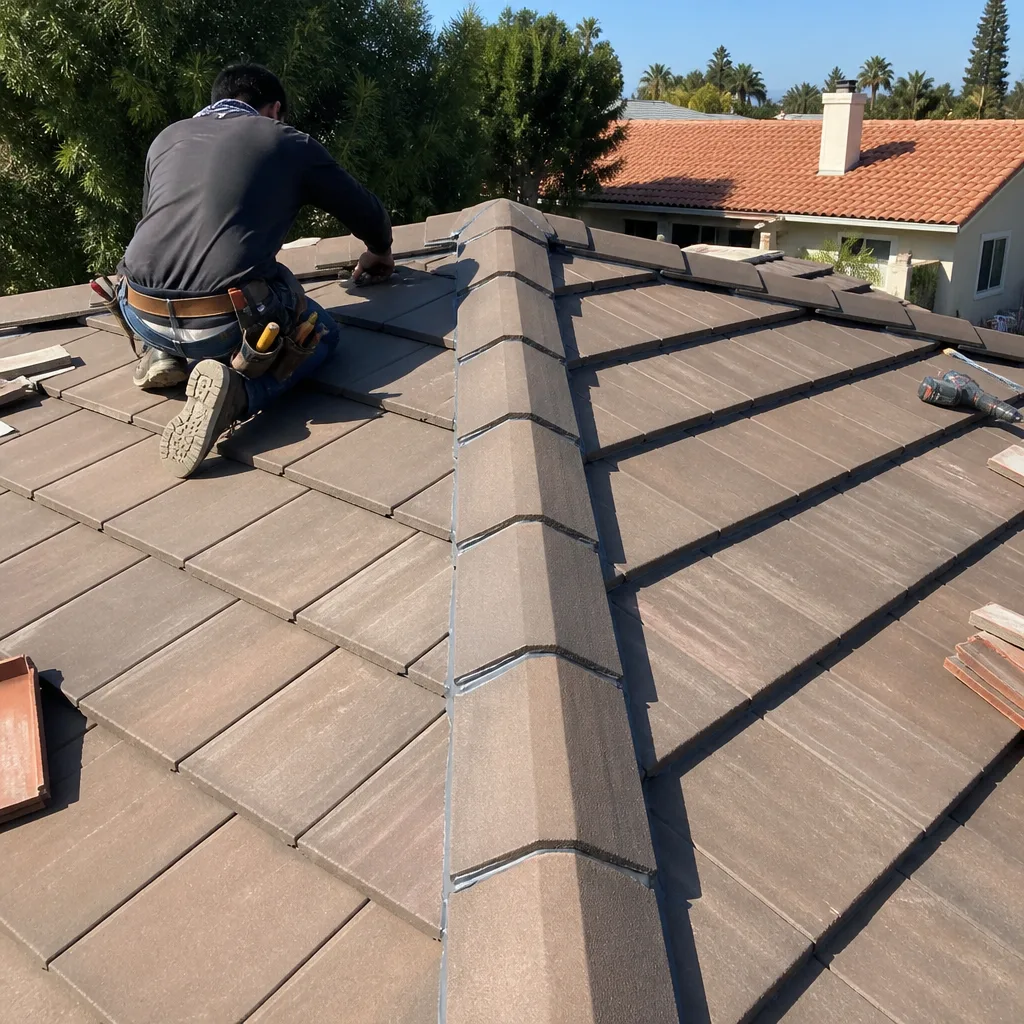 After
After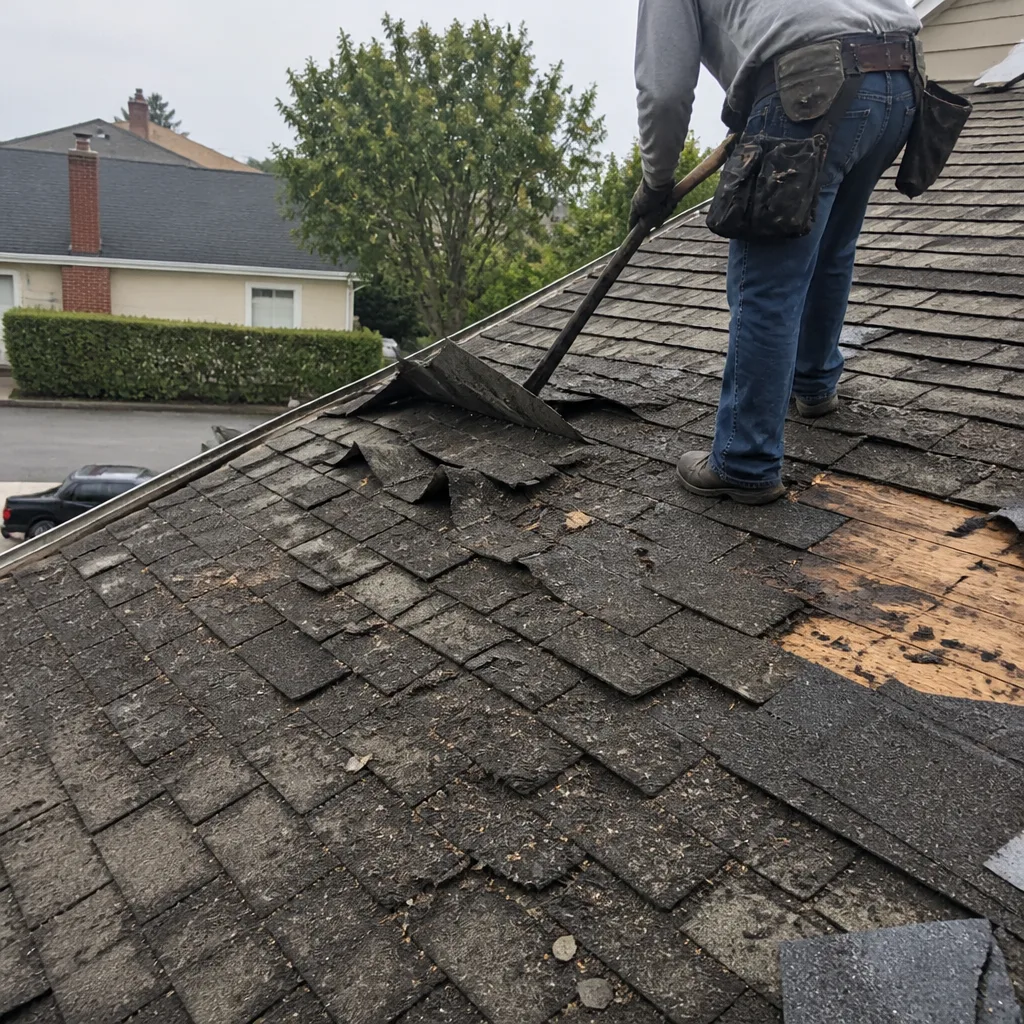 Before
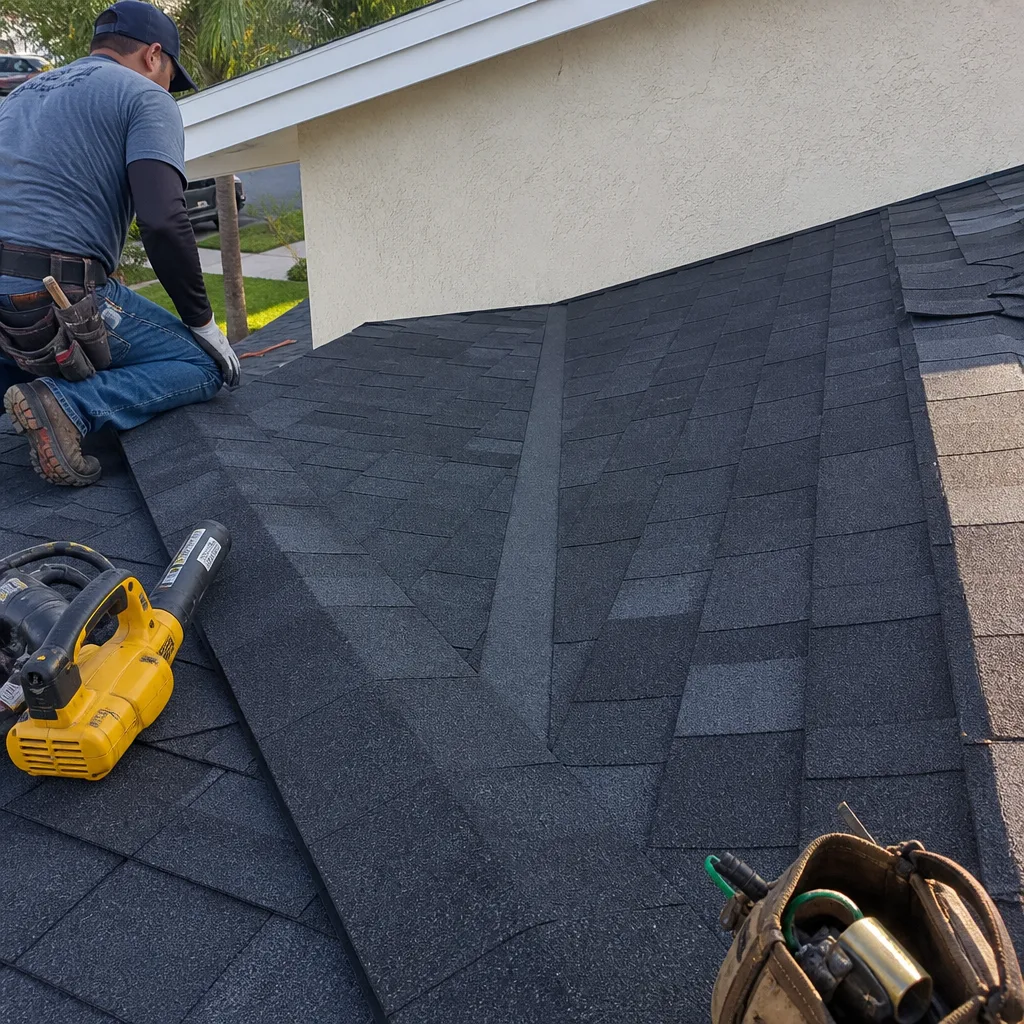 After
AfterReplacement Cost & What’s Included
In Orange County, expect to pay $850 to $2,400 for underlayment replacement on a typical residential roof section, with deck repair adding $600 to $1,800 depending on how many sheets of plywood or OSB need to come out. Full tear-off and re-underlayment for an entire roof runs higher, typically $4,500 – $9,000 for a single-story home, because the old roof covering has to be removed, set aside or replaced, and reinstalled over the new membrane.
Every job we quote includes the same line items in writing: removal of the failed material, deck inspection sheet by sheet, replacement plywood or OSB where needed, new Tamko or equivalent underlayment properly fastened and overlapped, flashing re-sealed, and cleanup. You get the price before we touch a shingle. That’s how it starts, and that’s how we stay. The written guarantee covers workmanship for a full year under the 365-Day Done Right Promise, and if a repair fails inside that window, we return to correct it at no charge. No change orders, no discovery fees, no surprises when the invoice lands.
DIY or Call Us?
You can safely check a few things from the ground: visible underlayment edges at the eaves, heavy granule buildup in gutters, and attic moisture after a rain. That helps you understand the situation before you talk to a contractor. But the actual repair is not a DIY job. Removing tile or shingles, cutting out wet decking, and reinstalling underlayment correctly means working on a sloped surface with the roof covering displaced, and getting the lap direction wrong or the fastener pattern wrong is the difference between a fix and a future leak. I’ve walked too many Orange County roofs where a well-meaning homeowner made a small problem into a bigger one. The tools, the experience with Tamko’s specific installation requirements, and the safety equipment are all part of what you’re paying for.
If you’re seeing any of the symptoms above, call us at (559) 295-5445. We’ll give you an honest assessment over the phone, schedule a site visit, and hand you a written price before any work begins.
FAQs
Tamko’s asphalt-based underlayments typically last 20 – 30 years in Orange County conditions, but the south-facing slopes in inland areas like Mission Viejo and Rancho Santa Margarita can cut that to 15 – 20 years because of constant UV and heat exposure once the roof covering allows any light through. Call (559) 295-5445 to have us inspect your specific roof.
Yes, in many cases we can replace a damaged section rather than the whole roof if the failure is localized and the surrounding deck is sound. The key is catching it before the water damage spreads. We’ll tell you honestly which path makes sense after we walk the roof.
Most section repairs take 1 – 2 days from start to finish, including deck replacement and reinstallation of the roof covering. Full underlayment replacement under an existing tile or shingle roof typically runs 3 – 5 days depending on roof size and pitch.
Our crews carry Tamko TW underlayment in common roll weights and AQUAPLY on most roofing crews’ trucks, along with deck plywood and OSB, so many jobs can begin the same day we diagnose the problem. If a specific Tamko weight or product isn’t on hand, we can typically get it the next morning from our Orange County suppliers.
Written by Greg Holloway, Owner, Tilehurst Roofing Orange County, serving Orange County and nearby areas.