
Last updated October 17, 2026
 Metal roofing
 Architectural shingles
 Tile roofing
 GAF
GAF Owens Corning
 Flat & low-slope
Free roof inspection with deck photos before we talk money - GAF and Owens Corning certified installation
Roofing Permits, Codes & Inspections in CA: What You Need to Know
Here’s a stat that surprises most Orange County homeowners: more real estate deals die over an unpermitted re-roof than over a failed home inspection. The problem rarely shows up while you live in the house. It shows up five or seven years later, at the closing table, when the buyer’s inspector pulls city records and finds a roof that was replaced without a permit. The buyer walks, or demands a $15,000 price cut to cover the mess. This guide explains how California roofing permits actually work, which jobs genuinely need one, how Orange County cities enforce the rules differently, and what to check before you ever sign a contract. For a broader look at roofing in the region, see our The Complete Guide to Roofing in Orange County. By the time you finish, you’ll know more about roofing permits than most contractors who knock on your door.
Styles & brands we work with
Quick Answer
In California, roof replacements and structural re-roofs require a city building permit, while minor repairs of less than 10% of the roof area are generally exempt. The permit ensures the work meets current building code, including Title 24 cool-roof requirements, and creates a public record that protects your home insurance and resale value. Permit costs in Orange County typically run $200 – $500 for a residential re-roof, and the process usually takes 1 – 2 weeks from application to final inspection.
Table of Contents
- What Roofing Work Needs a Permit in California
- What’s Legitimately Exempt: The 10% Repair Rule
- How Orange County Cities Enforce Permits Differently
- Title 24 Cool-Roof Compliance: What It Means for Your Material Choice
- The Real Cost of Unpermitted Work: Insurance, Liability, and Resale
- How to Verify Your Contractor Actually Pulled the Permit
- The Permit and Inspection Process, Step by Step
- Common Mistakes to Avoid
- When to Call a Professional
- Frequently Asked Questions
- The Bottom Line
What Roofing Work Needs a Permit in California
California’s building code is clear on the big one: any full roof replacement, and any re-roof that involves removing more than one layer of existing roofing material, requires a building permit. That’s state code, carried into every city and county in California, including every municipality in Orange County. The permit covers both the structural work (the decking, the fasteners, the underlayment) and the energy compliance piece (Title 24, more on that below).
Here’s what requires a permit, in plain English:
- Any complete tear-off and replacement of the roof covering, regardless of square footage.
- Any re-roof over an existing layer when the total layers would exceed two (California code prohibits more than two layers of roofing in most jurisdictions).
- Any structural repair to roof framing, including replacing rafters, trusses, or substantial sections of roof decking.
- Any roof work that changes the roofline – additions, dormers, skylight installations, or attaching a new roof section to an existing one.
- Flashing and underlayment replacement when performed as part of a permitted re-roof project.
In our experience, the confusion usually isn’t about tear-offs – everyone understands a new roof needs a permit. The confusion lives in the murky middle: a “repair” that’s really a re-roof in disguise. A contractor who replaces 400 square feet of shingles, new underlayment, new flashing, new drip edge, and calls it a “repair” to avoid the permit has just exposed you to exactly the liability we describe in the opening hook. The city will call that a re-roof. So will your insurance company when a claim comes in years later.
What’s Legitimately Exempt: The 10% Repair Rule
California allows minor roof repairs without a permit, but the definition of “minor” matters more than most homeowners realize. The standard exemption covers repairs to less than 10% of the total roof area within any 12-month period. That means a leak patch, a few replaced shingles, a section of damaged flashing, or a small section of re-decking – those jobs can legally proceed without pulling a permit in most California cities.
What does 10% look like on a typical Orange County home? Here’s a rough guide:
- 2,000 sq ft single-story ranch in Anaheim Hills: up to about 200 sq ft of repair work, roughly a 14 ft by 14 ft area.
- 3,000 sq ft two-story in Irvine near Woodbury: up to about 300 sq ft, roughly the size of a two-car garage footprint.
- 1,500 sq ft beach bungalow in San Clemente: up to about 150 sq ft, about the size of a small bedroom.
The catch is cumulative. If a contractor does 8% in January and another 8% in March, the second job exceeds the 10% threshold over 12 months and technically requires a permit. Responsible contractors track this. The ones who don’t are the ones you don’t want on your roof.
One more exemption worth noting: some cities treat complete tear-offs under a certain square footage as exempt or fee-reduced, but this varies so much by jurisdiction that you should never assume it. Check with your city’s building department in writing before skipping a permit. The best roofing contractors in Orange County do this routinely and will show you the written confirmation.
How Orange County Cities Enforce Permits Differently
Here’s what most online guides miss: there is no single “Orange County” permit process. Each of the 34 cities in Orange County operates its own building department with its own application workflow, fee schedule, inspection protocols, and turnaround times. Unincorporated areas fall under Orange County’s own building division. The state code is the same everywhere, but the experience is not.
A few real differences we’ve worked with recently:
- Anaheim runs one of the faster shop operations in the county. A straightforward re-roof permit for a standard asphalt shingle job often gets through plan review in 3 – 5 business days when the application is clean. Anaheim also has an online submittal portal that makes status tracking simple.
- Irvine places heavier emphasis on energy compliance documentation. Expect more scrutiny of the Title 24 cool-roof paperwork before the permit is issued, not after. Irvine building inspectors also tend to schedule re-roof inspections on the same day as the final energy compliance check for efficiency.
- San Clemente has stricter coastal-zone requirements for homes within a certain distance of the shoreline, including additional review for wind uplift fastening patterns. Permits for coastal homes in San Clemente can add an extra week to the process because of that secondary review.
- Santa Ana and Garden Grove both require a signed owner-builder declaration if the homeowner pulls the permit themselves rather than the contractor. That form carries real legal liability, and a contractor who asks you to sign it so they can skip their own licensing check is a red flag you should not ignore.
If you’re in a neighborhood like Orange’s Old Towne district or Fullerton’s historic areas, add another layer: some of those communities have local historic preservation review attached to roofing permits, which can restrict visible material choices and colors. That’s a different conversation from basic code compliance, but it affects the same permit application.
For homeowners who want the short version: whoever pulls the permit needs to know your city’s specific process, not just the California code. A contractor who works the whole county but can’t tell you the current turnaround time in your specific city is guessing. We’d rather you ask the question and get a straight answer than discover the guess on inspection day.
For a broader look at how we approach roofing across the county, see our Roofing Company in Orange County page.
Title 24 Cool-Roof Compliance: What It Means for Your Material Choice
Every permitted re-roof in California must meet Title 24, Part 6 energy efficiency standards, and the roofing piece of Title 24 comes down to one concept: cool roofs. A cool roof is one that reflects more sunlight and absorbs less heat than a standard roof, measured by two numbers – solar reflectance and thermal emittance. For steep-slope residential roofs (the standard Orange County pitched roof), the state requires an aged solar reflectance of at least 0.20 and thermal emittance of at least 0.75, or a minimum Solar Reflectance Index (SRI) of 16.
What that means in practice: you cannot simply pick any shingle color from any manufacturer and assume the roof passes. Here’s how it breaks down on the products we install:
- Most standard light and medium-colored asphalt shingles from GAF, CertainTeed, and Owens Corning meet the Title 24 threshold without special ordering.
- Darker “architectural” shingle colors – deep browns, dark grays, and near-blacks – often fall below the 0.20 reflectance requirement. Some can pass thanks to newer granule technology that reflects infrared light even in dark colors. Others cannot.
- Products from IKO, Atlas, and Tamko include specific cool-roof rated lines. Atlas, in particular, sells a line of Cool Roof shingles that carries an SRI rating printed on the wrapper, which simplifies the Title 24 paperwork. Boral’s tile products, which are heavier and distinct from shingles, carry their own cool-roof ratings that apply on Mediterranean and Spanish-style homes common throughout Orange County.
The practical takeaway: if you want a specific color, verify its cool-roof compliance before you lock in the material. A responsible contractor pulls the manufacturer’s Title 24 compliance documentation and includes it with the permit application, rather than waiting for the city to flag the issue during plan review. That’s the difference between a permit issued in one week and a permit stuck in revision for three.
The cool-roof requirement also affects the price conversation. A dark asphalt roof that fails Title 24 is not an installation problem – it’s a material-selection problem that gets solved before install, not after. When you’re comparing quotes, ask each contractor which specific manufacturer and color they’re pricing, and whether that shingle carries a Title 24 compliance sheet. If they can’t answer, that’s the whole conversation.
If you’re weighing repair versus replacement on an older roof, the Title 24 rules only apply when the work is a re-roof, not a minor repair. Our Roof Repair in Orange County page walks through when a repair is the better move.
The Real Cost of Unpermitted Work: Insurance, Liability, and Resale
The biggest misconception in California roofing is that skipping a permit saves money. It doesn’t. It defers the cost, adds interest, and often moves the liability from the contractor’s shoulders to yours. Here’s what unpermitted roofing work actually costs in this state, based on what we’ve seen working with homeowners across Orange County.
Insurance claims get denied. Home insurance policies in California routinely exclude coverage for damage caused by or related to unpermitted work. If a roof that was replaced without a permit fails during a windstorm five years later and water destroys your ceiling, the claims adjuster will check city records. No permit, no coverage for that claim, in many cases. You can argue, but the policy language is not on your side.
Real estate transactions stall or die. The opening hook of this guide is the most common scenario we hear about secondhand from realtors in Orange County: a seller lists a home, a buyer makes an offer, the buyer’s inspector checks city permit records, and an unpermitted roof replacement surfaces on the report. Now the seller must either close the permit retroactively – which means bringing an old roof up to current code, no small expense – or cut the price. Most sellers cut the price.
You inherit the liability. When an unlicensed contractor does unpermitted work, California law treats the homeowner as the employer. If that contractor falls off your roof and has no workers’ compensation insurance, you can be personally liable for the medical bills. The permit itself doesn’t protect against that, but a licensed contractor carrying proper insurance does. Unlicensed plus unpermitted is the worst combination, and it usually comes as a package deal.
The city can force a retroactive permit. If a neighbor reports the work, or a code enforcement officer notices roof work in progress on a drive-by, the city can issue a stop-work order and require a retroactive permit. That retroactive permit often comes with penalties and requires full documentation of work that’s already been covered up, which can mean tearing sections back open for inspection.
The honest framing here: a permit is documentation. It’s a written record that the work was done, done by someone licensed, and inspected by the city. That record is your legal protection when things go wrong years later. Skipping it to save $300 on a fee is a bad trade, and every contractor who suggests it knows that.
How to Verify Your Contractor Actually Pulled the Permit
This is the step almost no homeowner does. A contractor says the permit is “in process.” You write a check. Work begins. The contractor leaves. And three years later, you discover the city has no record of any permit for your address. Here’s how to make sure that never happens to you, in five concrete steps.
- Ask for the permit number before work starts. A legitimate permit application in California produces a reference number the moment it’s submitted. If your contractor can’t produce one, they haven’t applied.
- Verify the permit on your city’s online portal. Every city in Orange County runs some form of online permit lookup. Enter your address and pull up the record yourself. It takes five minutes. If the record isn’t there, ask why.
- Check that the permit was issued, not just applied for. An application is not a permit. The application is step one. The issued permit, with conditions and inspection requirements, is what legally allows the work. Ask for the issued permit number, not just the application number.
- Get the inspection results in writing. After the final inspection, your city will record a pass or fail. That record lives in the permit file. Ask your contractor to provide a copy, or check the portal yourself. A roof that passed its final inspection is a roof with a clean paper trail.
- If the permit was never pulled, act before making final payment. You have maximum leverage before you pay in full. If the work is done but no permit exists, the contractor has an obligation under California law to resolve it. Withhold final payment until the permit is closed, or contact your city’s building department to discuss a retroactive permit process.
The pattern we see again and again: a homeowner pays a deposit, the contractor says “permit’s in process,” the roof goes on, everyone’s happy, and the paper trail never gets finished. Then the home goes on the market five years later, and the missing permit becomes a negotiation line item against you. The fix is to treat the permit like any other contract deliverable: it’s not done until the city says it’s done.
If you’re replacing your roof and want the whole process handled as one piece – permit, install, inspection, documentation – our Roof Replacement in Orange County page lays out what we include on every replacement job.
The Permit and Inspection Process, Step by Step
Here’s what a properly permitted re-roof in Orange County actually looks like, from contract signing to final inspection. The timeline varies by city, but the sequence is consistent across the state.
- Material selection and Title 24 compliance check. Before the permit application is filed, the roofing contractor finalizes the material choice and pulls the manufacturer’s cool-roof compliance documentation. If the shingle or tile fails Title 24, the material changes now, not after the roof is torn off.
- Permit application submission. The contractor (or the homeowner, if owner-builder) submits the application to the city, including project scope, square footage, material specs, and the Title 24 compliance sheet. Most Orange County cities accept online submittals. Application fees at this stage typically run $100 – $200 depending on the city.
- Plan review. The city reviews the application. For a straightforward re-roof with no structural changes, plan review is often a formality that takes 3 – 7 business days. If the application has Title 24 gaps or missing documentation, this stage is where the delay happens.
- Permit issuance and fee payment. Once approved, the permit is issued and the total permit fee is due. For residential re-roofs in Orange County, total fees including plan check and issuance typically range from $300 – $600. This is separate from the cost of the roofing work itself.
- Scheduled inspections during the job. Most re-roofs require at least two inspections: one after the old roof is torn off and the new underlayment and decking are visible (called a “mid-roof” or “sheathing” inspection), and one after the roofing material is fully installed (the “final” inspection). Some cities add a third inspection if any structural repair was performed.
- Final inspection and permit closure. The inspector verifies the completed roof meets the approved plan. If it passes, the permit is closed and the permanent record is created. If it fails, the contractor fixes the flagged issue and schedules a re-inspection at no additional cost to you (assuming the contractor’s work was defective – if the failure is due to a change the homeowner requested, that’s a different conversation).
The whole process, from application to closed permit, usually takes 2 – 3 weeks for a standard residential re-roof in Orange County. The actual roofing work accounts for 2 – 4 days of that. The rest is paperwork and city scheduling. A contractor who blames the city for a month-long delay is often a contractor who submitted an incomplete application and doesn’t want to admit it.
Common Mistakes to Avoid
- Believing “repair” means whatever the contractor says it means. The 10% rule is a legal standard, not a vibes-based judgment call. If a contractor calls a 500 sq ft shingle replacement a “repair,” they’re not being generous – they’re avoiding the permit that the law requires. Ask for the square footage calculation in writing.
- Picking a shingle color before checking Title 24. We’ve replaced beautiful dark roofs that failed the cool-roof requirement, and it’s an expensive lesson every time. Check compliance with the specific manufacturer and color before you commit. Atlas, IKO, and Tamko all publish this data online, and your contractor should pull it for you.
- Signing an owner-builder permit form without understanding it. When you sign owner-builder paperwork, California law makes YOU the general contractor with all the liability that carries. A contractor who asks you to do this is shifting risk to you. Don’t sign it unless you’re genuinely acting as your own contractor, which most homeowners are not.
- Assuming every city in Orange County runs the same process. Anaheim and Irvine and San Clemente are three different processes. A contractor who can’t tell you your city’s current turnaround time and inspection sequence hasn’t done their homework for your specific job.
- Paying in full before the permit is closed. The permit is not finished when the shingles are on. It’s finished when the city records the final inspection as passed. Withhold final payment until that record exists.
- Not keeping the permit documents with the house records. That closed-permit record is a selling point when you eventually list the home. Keep it, file it, and hand it to the buyer’s agent when the time comes. Buyers in Orange County increasingly ask for it.
- Trusting a contractor who says permits are “optional” in your area. They are not. No city in Orange County treats residential re-roof permits as optional. Anyone who tells you otherwise is giving you a reason to end the conversation.
When to Call a Professional
If you’re reading this because you’re weighing a roof repair against a replacement, or because a contractor just told you “we can skip the permit and save you time,” that’s the moment to get a second professional opinion – one that includes the permit work in the quote rather than treating it as inconvenient overhead. Our Roofing Warning Signs: A Orange County Homeowner’s Reference Guide can help you spot other red flags before they become costly problems. If you already have an unpermitted roof and you’re planning to sell, call now – the retroactive permit process takes longer than the original would have. And if you’ve discovered after the fact that a contractor claimed to pull a permit and never did, you need a licensed professional to assess what was actually installed and whether it meets current code. Tilehurst Roofing Orange County offers free estimates in Orange County – call (559) 295-5445 and we’ll walk your roof, review your permit history, and give you a written price before any work starts.
Frequently Asked Questions
For a standard residential re-roof in Orange County, expect to pay $300 – $600 in total permit fees, which includes plan check and issuance. Some cities charge less for small accessory structures or flat-fee repairs. The permit fee is always separate from the roofing labor and materials, and any legitimate contractor will itemize it on the written estimate.
No, not legally. A complete tear-off and replacement requires a building permit in every California jurisdiction, including all Orange County cities. The only legal exception is a repair covering less than 10% of the roof area in a 12-month period. A contractor who suggests skipping the permit on a full replacement is asking you to absorb legal and financial risk that belongs to them. Call (559) 295-5445 if you want to verify what actually applies to your home.
In most Orange County transactions, the buyer’s inspector pulls city permit records as a standard step, and an unpermitted roof shows up on the report. The buyer may demand the seller retroactively permit the roof, reduce the sale price, or walk away entirely. Retroactive permitting often requires bringing work up to current code, which can cost more than the original permit would have. Sellers routinely lose $10,000 – $20,000 in negotiation over this.
For a straightforward asphalt shingle re-roof with clean paperwork, plan review in most Orange County cities takes 3 – 7 business days, with total time from application to final inspection typically running 2 – 3 weeks. Cities like Anaheim tend to move faster; coastal-zone approvals in San Clemente can add a week. The biggest variable is the quality of the application itself – a contractor who submits complete Title 24 documentation up front avoids most delays.
Either party can pull the permit, but the standard practice for professional roofing work in California is for the licensed contractor to pull it as part of the job. If a contractor asks you to sign owner-builder paperwork, that’s a request to transfer legal risk to you, and it’s a red flag. A legitimate contractor pulls the permit themselves and includes the cost as a line item on your written estimate.
Yes. Every permitted steep-slope residential re-roof in California must meet Title 24 cool-roof standards, which require an aged solar reflectance of at least 0.20 and thermal emittance of at least 0.75, or an SRI of at least 16. Some materials meet this easily; some dark colors need specific cool-roof product lines from manufacturers like Atlas, IKO, or Tamko. Verify compliance before you pick a color, not after.
Most minor repairs don’t, as long as the total repaired area stays under 10% of the roof per 12-month period. A leak patch, flashing replacement, or small shingle repair typically falls under the exemption. But the moment the job crosses into re-roof territory – new underlayment over a large area, substantial re-decking, or a tear-off – the permit requirement kicks in.
The Bottom Line
Roofing permits in California exist for one reason: to put a legal record behind the work on top of your house. That record is what protects you on insurance claims, at the closing table, and if the roof fails years from now. The permit costs a few hundred dollars and adds a couple weeks to the process. Skipping it saves almost nothing and risks tens of thousands. This is especially true in Orange County, where 34 different city building departments all enforce the same state code in their own way – and where the buyer’s inspector will check every time. Get a written price, get a written permit path, and don’t hand over final payment until the city signs off. If you’re not sure where your roof stands right now, Tilehurst Roofing Orange County will assess it honestly and at no charge. For more guides & resources, visit our blog. Call (559) 295-5445.
That’s the standard we hold every job to. If you’re looking for an overview of everything we do across the county, start at our Tilehurst Roofing Orange County home page.
Written by Greg Holloway, Owner at Tilehurst Roofing Orange County, serving Orange County since 2000.
See the difference
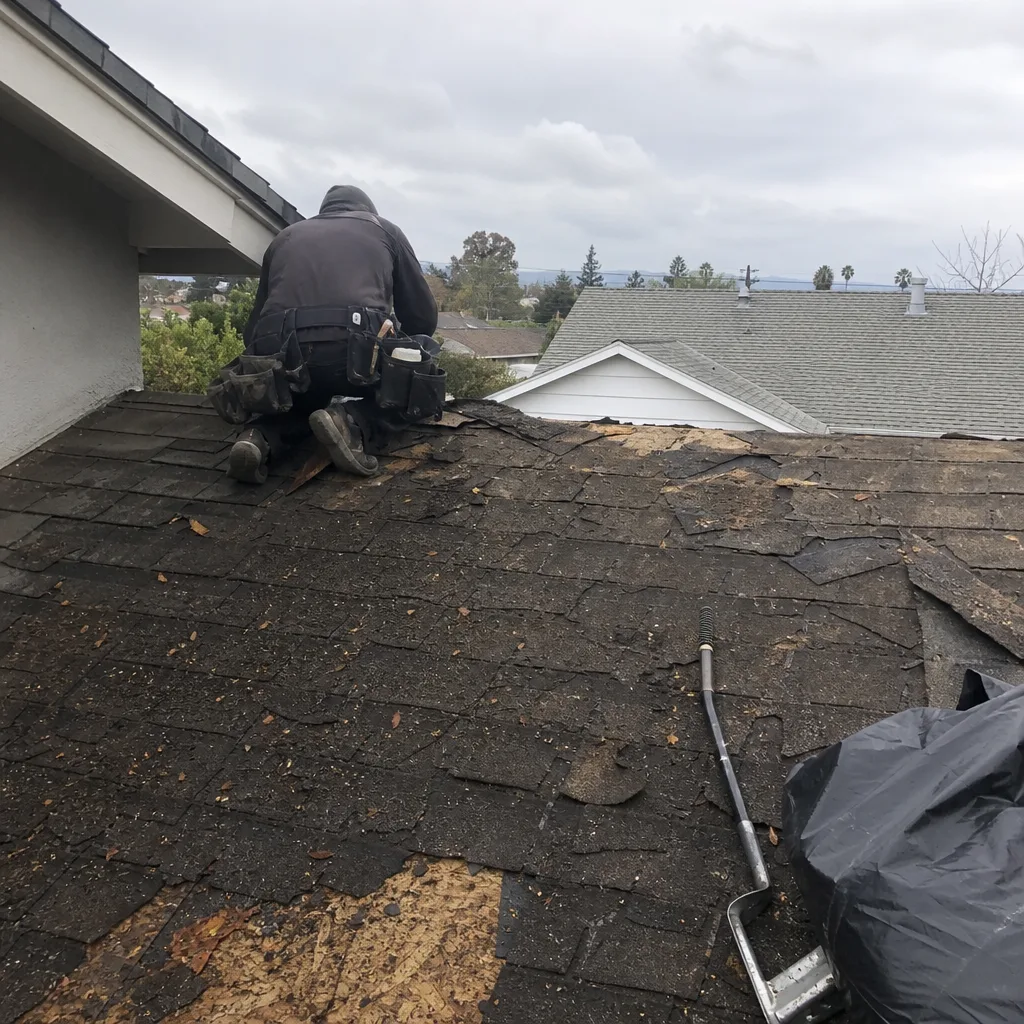 Before
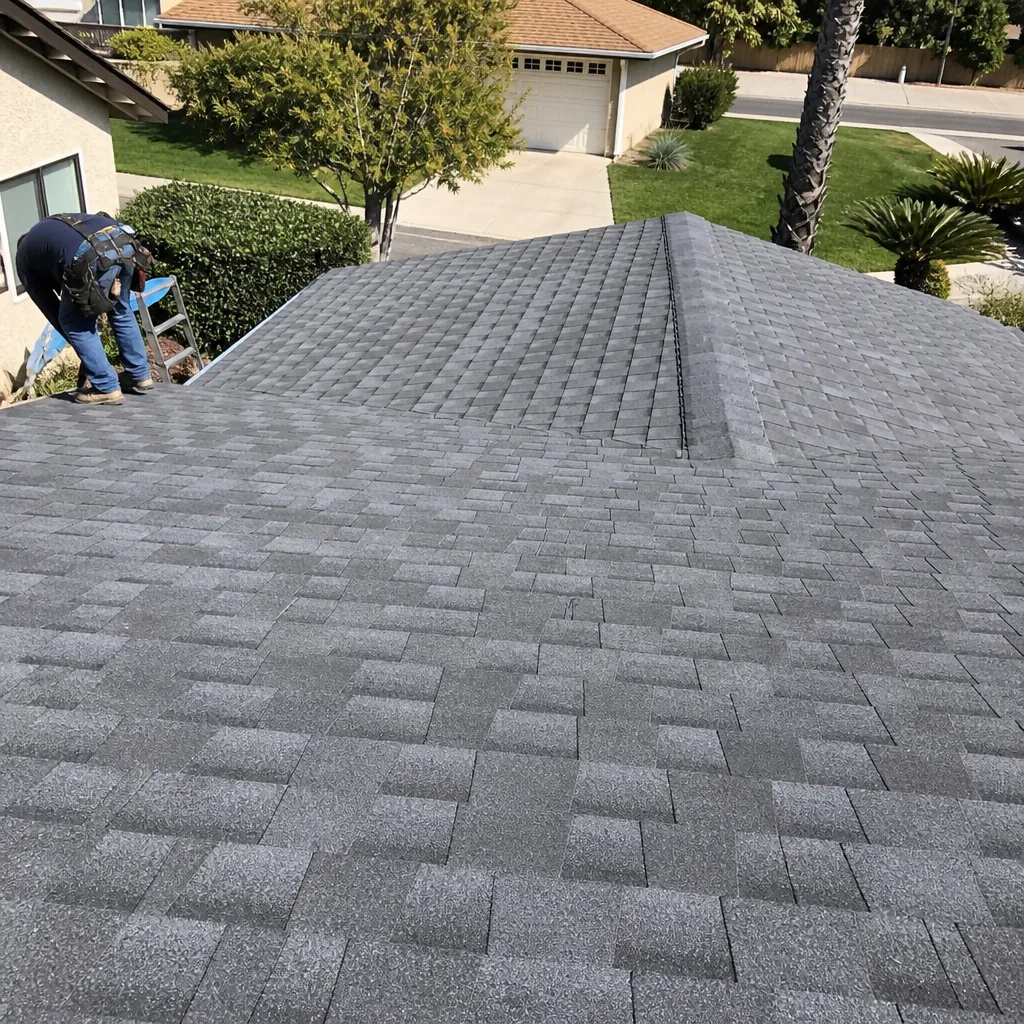 After
After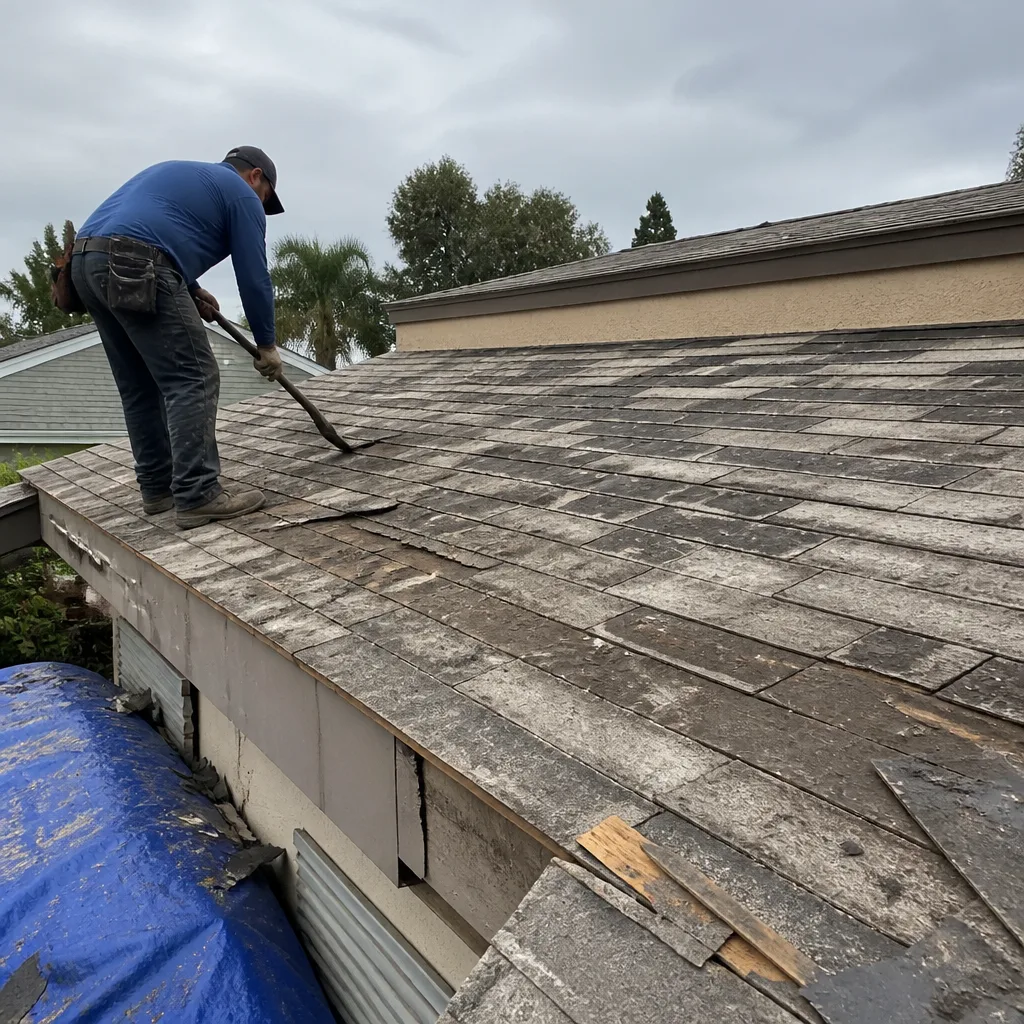 Before
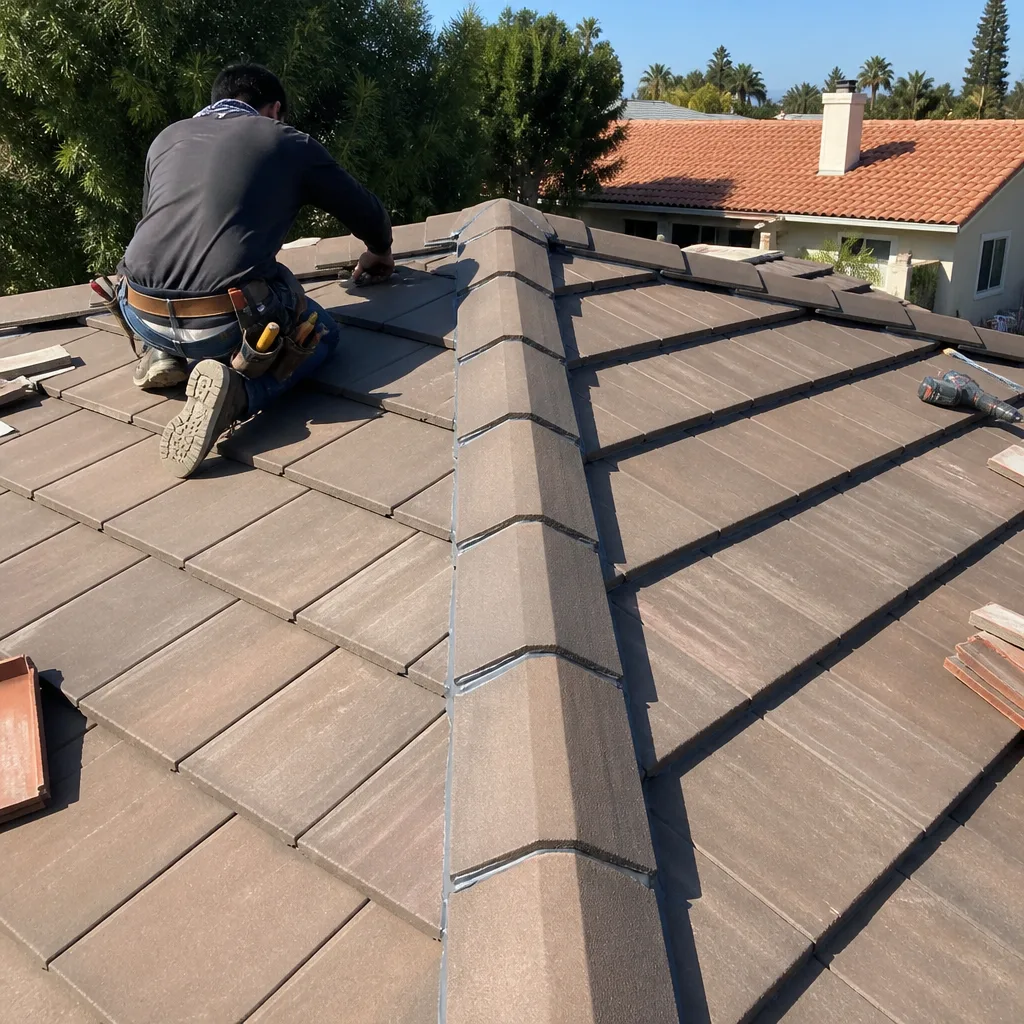 After
After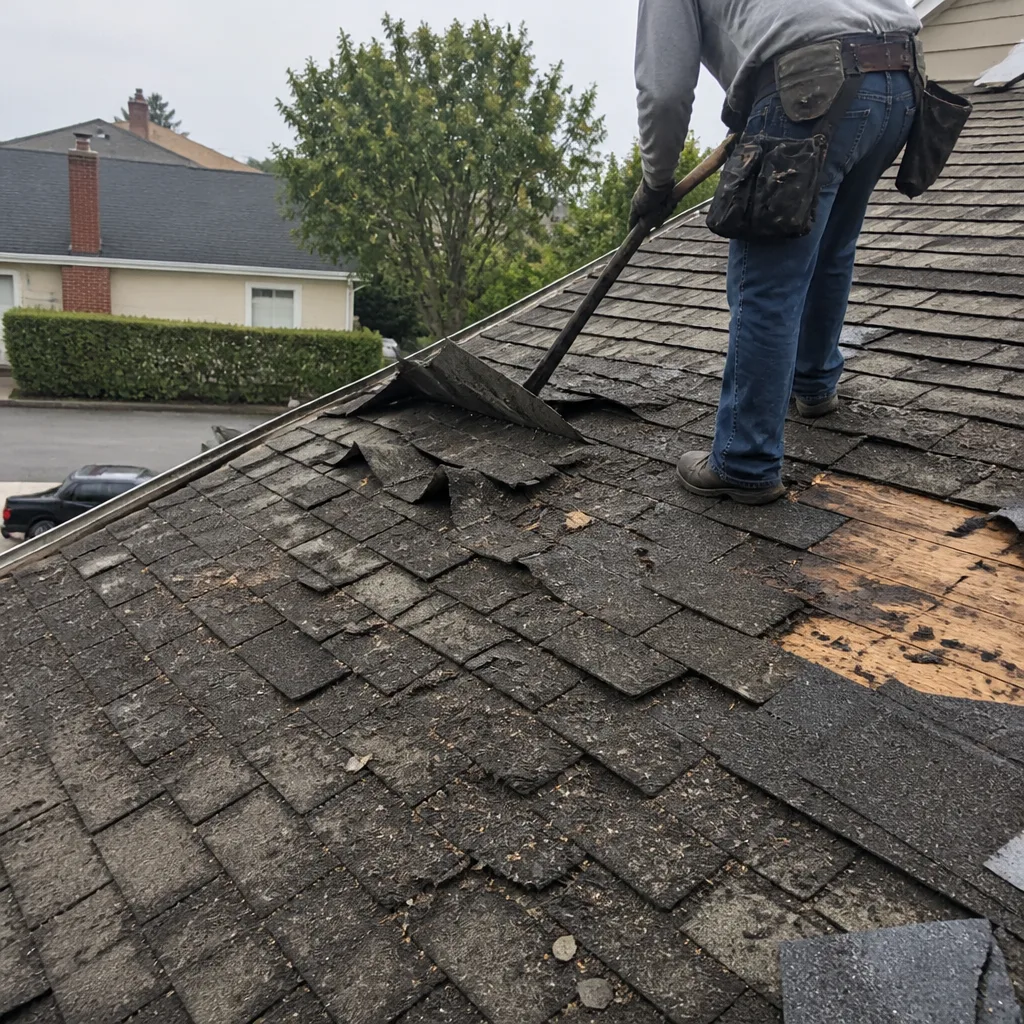 Before
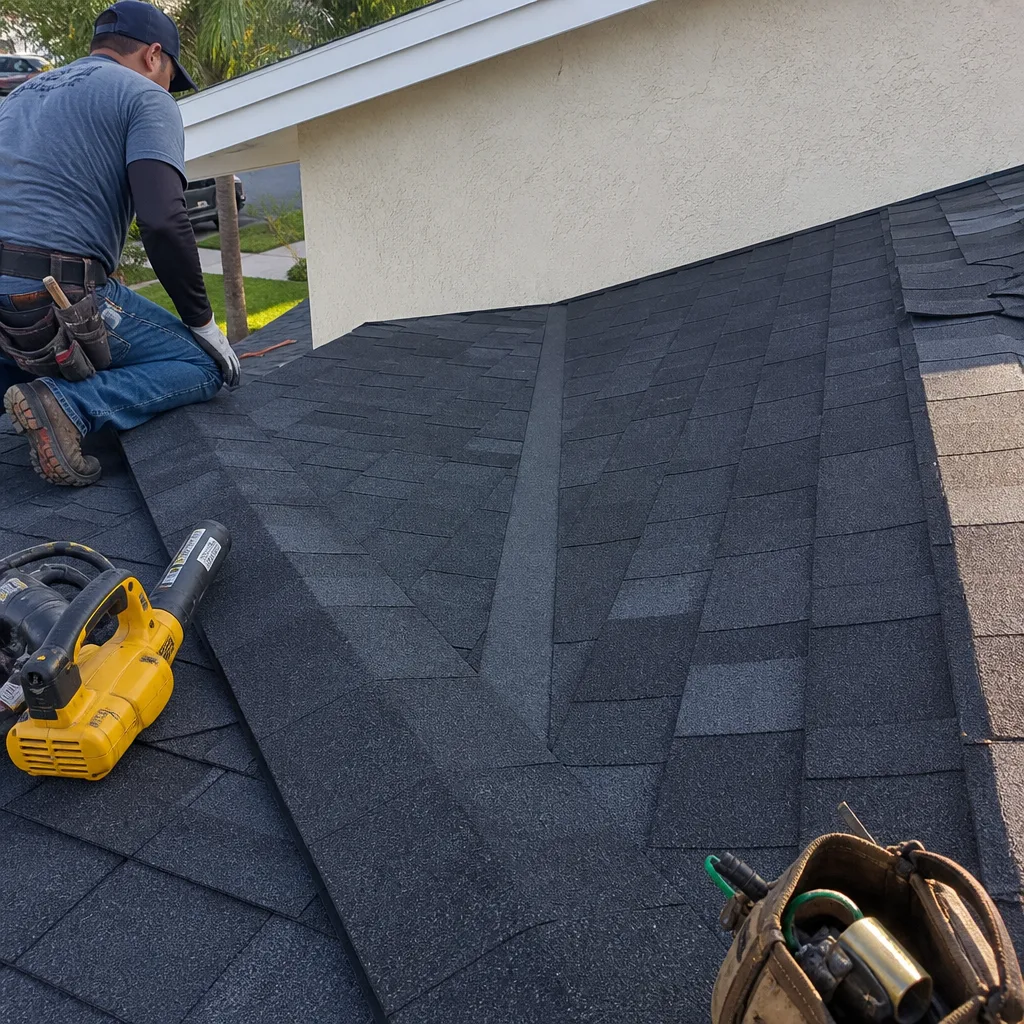 After
After