
Last updated October 17, 2026
 Metal roofing
 Architectural shingles
 Tile roofing
 GAF
GAF Owens Corning
 Flat & low-slope
Free roof inspection with deck photos before we talk money - GAF and Owens Corning certified installation
Roofing Company Maintenance Checklist for Orange County Homeowners
Orange County averages just 13 inches of rain a year, which quietly convinces homeowners that roof maintenance is optional. Then a single atmospheric river sweeps through in January, drops three inches in one night, and finds every hairline crack that developed during eleven months of sun. We’ve seen roofs that looked fine in September need $18,000 in emergency sheetrock and insulation work by February, all because a $200 inspection never happened. This guide is built for Orange County’s actual roof killers: ultraviolet oxidation, dry-season debris, and deferred cracks that turn into indoor waterfalls during El Niño. You’ll learn what to check, when to check it, and what to write down so a paper trail protects your warranty and your resale value.
Styles & brands we work with
Quick Answer
A proper roof maintenance checklist for Orange County homes involves two ground-level inspections per year (October and April), one post-storm check after any rain over one inch, and keeping gutters, valleys, and tile or shingle surfaces free of debris during the dry months of June through October. Most Orange County homeowners should budget between $150 and $350 per professional inspection, and repair costs for the issues those inspections catch typically run $250 to $1,200 if addressed early. The five most deferred maintenance items in Orange County are: cracked underlayment under tile, dried-out flashing sealant at penetrations, clogged valley drains, lifted ridge caps, and unpainted fascia boards.
Table of Contents
- Why Orange County’s Climate Demands a Different Maintenance Approach
- The Month-by-Month Maintenance Calendar for Orange County Roofs
- Concrete and Clay Tile Roof Checklist: What Generic Guides Miss
- How to Safely Inspect Your Roof from the Ground
- Five Deferred Maintenance Items That Void Manufacturer Warranties
- What to Ask for in Writing After a Maintenance Visit
- What Roof Maintenance and Repairs Cost in Orange County
- Common Mistakes to Avoid
- When to Call a Professional
- Frequently Asked Questions
- The Bottom Line
Why Orange County’s Climate Demands a Different Maintenance Approach
Roof maintenance advice written for the Midwest or the Pacific Northwest assumes your enemy is moisture. In Orange County, your actual enemy is the sun. We get roughly 280 sunny days a year, and ultraviolet radiation breaks down roofing materials through a process called photo-oxidation. That means the asphalt shingle that survives 25 years in Seattle’s cloud cover might start cracking after 15 to 20 years under Irvine or Anaheim skies. Rubber boots around vent pipes dry and split. Flashing sealant turns chalky and pulls away from the pipe. Underlayment beneath tile, which would stay pliable in a wetter climate, becomes brittle and tears under thermal expansion cycles that swing from 40 degrees at night to 90 degrees by mid-afternoon.
The second factor is debris. Orange County’s dry summers mean leaves, palm fronds, and citrus tree droppings don’t decompose. They sit in valleys and gutters for months, baking into a hard crust that blocks water during the first winter storm. When water can’t flow down the valley, it backs up under tiles or shingles and starts working its way sideways into the decking. We’ve pulled valley dams out of Anaheim Hills and Yorba Linda homes that had been blocking drainage for three or four years, with the resulting wood rot running $3,000 to $6,000 to correct.
The third factor is the pattern of our rain. Orange County doesn’t get steady drizzle. We get long dry stretches followed by intense, short-duration downpours during El Niño years. A roof with small, deferred issues will handle a Seattle sprinkle. It will not handle an inch of rain in 45 minutes. That hydrological pattern means you inspect differently: the goal is to catch small cracks during the dry season, when they’re easy and cheap to fix, rather than discovering them during a storm when repair crews are booked out for weeks.
The Month-by-Month Maintenance Calendar for Orange County Roofs
Forget generic “spring and fall” advice. Here’s the calendar calibrated to how Orange County weather actually works. We’ve organized it around the two moments that matter most: before the first heavy rain and after the last one.
October: The Critical Pre-Rain Inspection. This is the big one. You want everything caught and repaired before the first atmospheric river arrives. October in Orange County is typically dry, with daytime temperatures in the 70s, which makes roof work fast and predictable. Schedule your professional inspection with a licensed Roofing Company now, not in December when everyone is booked solid.
November: Clear All Drainage. Before Thanksgiving, walk your gutters and valleys and remove every leaf, twig, and palm frond. If you have overhanging trees, expect to do this twice: once in November and again before any forecasted storm. Pay special attention to the inside corners of valley drains, which collect more debris than any other spot on an Orange County roof.
December through March: Post-Storm Checks. After any storm that drops more than one inch of rain, do a 10-minute ground inspection. Look for new water stains on the underside of eaves, damp attic insulation visible from the access hatch, and shingles or tile fragments in the yard. Most Orange County roof failures announce themselves during these months, and catching a leak within days rather than weeks is the difference between a $300 repair and a $5,000 one.
April: The Post-Rain Assessment. Once the rainy season has ended, schedule your second inspection. The goal here isn’t to catch flash leaks, because those have already revealed themselves. The goal is to document everything winter did to your roof and plan repairs before the hot season makes climbing unpleasant and materials extra brittle. April inspections in Orange County also catch the early signs of wood rot that winter moisture left behind.
May and June: Paint and Seal. These are the best months in Orange County for applying sealant to flashing penetrations, repainting fascia boards, and touching up any exposed wood. Air temperatures are warm enough for materials to cure properly but not so hot that adhesives flash-cure and fail prematurely.
July through September: Dry-Season Monitoring. UV is at its peak. Do one visual ground inspection in August focused on warping, cracking, and lifting. Clay and concrete tiles don’t warp, but asphalt shingles in full-sun areas, especially west-facing slopes in cities like Orange or Fullerton, will start to curl at the edges. Make note of what you see so your October inspection can focus on those areas.
Concrete and Clay Tile Roof Checklist: What Generic Guides Miss
Roughly 60% of Orange County homes have concrete or clay tile roofs, and most online maintenance checklists are written for asphalt shingle roofs in other climates. Those generic lists will tell you to look for curling shingles and missing granules. A tile roof has its own failure modes, and they’re easy to miss if you don’t know what you’re looking for. Here is the tile-specific checklist that actually applies in Orange County.
- Check for cracked or broken tiles after every Santa Ana wind event. High winds lift nearby branches, and Orange County’s mature eucalyptus and pepper trees shed limbs that can crack tiles clean through. A single cracked tile doesn’t leak immediately because the underlayment beneath it provides a second barrier, but that underlayment will eventually fail from cumulative wear.
- Look for shifted tiles at hips and ridges. Thermal expansion and contraction, and the occasional footstep from a satellite installer or solar technician, can push tile out of alignment. A tile that has shifted by more than an inch exposes the underlayment directly to UV, which degrades it far faster than a fully protected roof.
- Inspect the underlayment whenever tile is disturbed. This is the item most Orange County homeowners never think about. The concrete tile on top often outlasts the underlayment beneath it, which means roofs that look fine from the street are quietly losing their waterproofing layer. Underlayment on tile roofs in Orange County typically lasts 25 to 40 years depending on exposure; if your home is in that window and the underlayment has never been inspected, that’s your October priority.
- Check the birdstop at the eaves. This is the mortar or metal barrier at the bottom edge of the tile field that keeps birds, rodents, and embers from entering the roof cavity. In Orange County we see birdstop fail constantly, often from repeated heat expansion, and once it opens, pigeons move in fast. Their droppings are corrosive, and their nesting material blocks drainage.
- Examine valley metal for rust or separation. Tile valleys channel more water than any other part of the roof. When the metal flashing in the valley corrodes or pulls apart at the seams, water gets beneath the tile and attacks the decking. In coastal Orange County cities like Newport Beach, Huntington Beach, and Dana Point, salt air accelerates this corrosion; inland homes get a break.
- Look for efflorescence or water staining on the underside of the eaves. White chalky streaks are mineral deposits left behind when water has moved through concrete or mortar. If you see efflorescence spreading on the underside of your eaves, water is finding its way through the roof assembly and leaving evidence behind.
At Tilehurst Roofing Orange County, our inspections cover all of these tile-specific failure points because roughly six in ten roofs we walk in Orange County are tile. If you’re looking for a Roofing Company in Orange County that knows concrete and clay tile systems, that experience is the difference between catching underlayment rot early and finding it after it has ruined your decking.
How to Safely Inspect Your Roof from the Ground
You don’t need to climb a ladder to get a genuinely useful read on your roof’s condition. Most of what goes wrong is visible from the ground with careful observation and the right tools. Here’s the method we teach homeowners, and you can find more guides & resources on our blog.
What you’ll need: a pair of binoculars (8x or 10x magnification works well), a camera or smartphone with zoom, and 20 minutes on a clear morning or late afternoon when the sun is low and raking across the roof surface. Morning light exposes different flaws than midday light, and evening light picks up shingle lifting and tile shift that flat light hides.
- Start from the front yard and move in a slow circle around the house. At each corner, stop and scan the nearest slope. Look for anything that breaks the visual pattern: a tile slightly out of line, a shingle with a curled corner, a patch of roof that’s a different color or texture than the surrounding area.
- Focus on the ridge line and hips. These are the highest points and the first places UV and wind damage show up. Look for gaps between the ridge caps and the tile or shingle field below. Look for caps that have lifted or separated.
- Scan every penetration. Chimneys, vent pipes, attic fans, and skylights all have flashing that can fail. Use the binoculars to examine the sealant around each penetration. You’re looking for cracks, gaps, or white chalky residue that indicates dried-out caulk.
- Examine the valleys. The water channels where two roof slopes meet are your highest-risk drainage zones. Look for debris accumulation, exposed fasteners, or metal that appears bent or separated.
- Check the gutters and eaves from beneath. Walk the perimeter and look at the underside of the eave. Dark streaks on the underside of the eave or on the fascia board often indicate water overflow or backups. While you’re there, look for granules in the gutters if you have asphalt shingles; excessive granule loss is a sign the shingles are nearing the end of their life.
- Photograph anything that catches your eye. Zoom in and take multiple shots. These photos become the baseline for your next inspection, and they’re useful if you ever need to file an insurance claim or document a warranty issue.
What you cannot safely assess from the ground is the condition of the underlayment, the integrity of the decking, or whether flashing is fully sealed. Those checks require someone on the roof, and in Orange County’s dry summer months, materials are brittle and footing is less certain. If you notice anything concerning during a ground inspection, call a licensed roofer rather than climbing up yourself.
Five Deferred Maintenance Items That Void Manufacturer Warranties
Here’s what most Orange County homeowners don’t know: major manufacturers such as CertainTeed, Owens Corning, and IKO write maintenance requirements into their warranty documents, and if you can’t demonstrate that the roof was maintained, a warranty claim can be denied. These are the five most common deferrals we see, and each one has real warranty consequences.
- Clogged valleys and gutters left for years. When water backs up due to debris, it sits against the roof surface and accelerates deterioration. Manufacturer warranties cover manufacturing defects, not damage from water that couldn’t drain. Document your cleanings with dated photos, and keep them.
- Failed sealant at vent pipes and flashings. That cheap tube of sealant protects a $20,000 roof. When the sealant fails and water gets in, the damage to the decking and interior is a maintenance issue, not a warranty issue, and the manufacturer will point to the lack of periodic resealing as the cause.
- Overhanging tree limbs that scrape the roof surface. Branches that touch shingles or tiles will abrade the protective surface over time, and some manufacturers will deny a claim for granule loss or surface damage if the homeowner allowed limb contact to persist. Trim trees back at least three feet from the roof edge and slope.
- Unpainted or unsealed fascia and rafter tails. Exposed wood at the roof edge wicks water upward into the roof assembly. Once rot starts at the edge, it migrates into the decking and underlayment. Manufacturers see this as structural neglect, and it’s one of the most common denial reasons on Orange County claims because the damage is so visibly preventable.
- Foot traffic on tile roofs by unqualified workers. Every time someone walks a tile roof, there’s a risk of cracking tiles and deforming underlayment. If you hire a solar installer, gutter contractor, or pest control company that sends a worker onto the roof and cracks tiles, and you don’t repair them promptly, the resulting water damage won’t be covered by the manufacturer. Get the name of anyone who walks your roof and verify their insurance covers tile breakage.
Atlas publishes similar maintenance expectations, and we’ve seen all four of these brands deny warranty claims in Orange County when homeowners couldn’t show basic maintenance records. The fix is simple and cheap: document everything, keep receipts, and don’t defer the small stuff. If you need a Roof Repair in Orange County to address any of these items before they become warranty problems, the sooner the repair is made, the stronger your claim history remains.
What to Ask for in Writing After a Maintenance Visit
A homeowner gets one chance to build a paper trail, and most people waste it by accepting a verbal “your roof looks fine.” Here is exactly what to ask for after a maintenance visit so you have documentation for insurance claims, warranty disputes, and future home resale. We put every one of these in writing for our Orange County clients, and there’s no reason any reputable roofing company can’t do the same.
- A written condition report, item by item. This should list each roofing component (decking, underlayment, flashing, tiles or shingles, ridge caps, valleys, gutters) with its current condition noted. Don’t accept “all good” as an assessment. Ask for specifics: “No visible cracks in tile field. Underlayment not exposed. Ridge caps seated properly.”
- Photographs with dates. At minimum, you want photos of any problem areas. Better still, ask for photos of the entire roof surface. These serve as your baseline and prove the roof was in good condition at a specific point in time.
- A list of recommended repairs, prioritized by urgency, with pricing. “Immediate attention” items should be separated from “monitor over the next 12 months.” A reputable company will give you written pricing for every recommended repair. This is also a core part of how we work: written price before any work starts, every time.
- A written guarantee for any work performed. Whether it’s a $200 sealant touch-up or a $2,000 flashing replacement, insist on a written guarantee that states what is covered, for how long, and what happens if the repair fails. Tilehurst Roofing puts this in writing before the crew leaves the job site, and it includes a free return visit inside the guarantee period if the repair doesn’t hold.
- No subcontractor surprises. Ask in advance who will be performing the work and verify that the name on the estimate matches the name on the invoice. If a company is going to sub the work out, you should know before you sign anything.
The worst time to discover your paperwork is incomplete is during an insurance adjuster’s visit or a warranty dispute. Build the file now. It costs nothing to ask, and if a company resists putting its findings in writing, that’s a signal worth paying attention to.
What Roof Maintenance and Repairs Cost in Orange County
Understanding what roof maintenance should cost in Orange County helps you plan and protects you from both overpricing and suspiciously cheap bids that cut corners-see our Roofing Cost Breakdown: The Orange County Homeowner’s Reference for 2026 for detailed pricing. Here are the real numbers we work with every day, and they’re consistent across the county from Anaheim to Mission Viejo.
- Professional roof inspection: $150 to $350. Some companies offer lower-cost or free inspections to earn the repair work; make sure the inspection is genuine and documented, not a sales pitch.
- Gutter and valley cleaning: $120 to $250 for a typical single-story Orange County home. Two-story homes and homes with heavy tree cover run higher.
- Sealant touch-up at pipe boots and flashings: $150 to $400, depending on the number of penetrations and the condition of the existing sealant.
- Flashing replacement at a chimney or skylight: $700 to $1,800. This is the single most common leak source on Orange County homes, and replacing it correctly requires removing surrounding tile or shingles to properly integrate the new flashing.
- Tile replacement or reseating: $250 to $600 for a small repair. Costs climb if the underlayment beneath the tile has failed and needs to be patched.
- Fascia and eave wood repair: $400 to $1,200. This includes replacing rotted wood and repainting. Painting costs are separate if you have a larger area to cover.
- Full underlayment replacement under existing tile (partial roof): $2,500 to $8,000, depending on slope size and complexity. A full underlayment replacement on an average 2,000-square-foot Orange County home typically falls between $8,000 and $15,000 when done as part of a complete Roof Replacement in Orange County.
These numbers assume a licensed contractor with proper insurance, which in Orange County should always be your baseline. An unlicensed handyperson might bid lower, but when their repair fails and you have no written guarantee and no recourse, the “savings” disappear along with your leverage. We always put the price in writing before we start, and we never change it at the door.
Common Mistakes to Avoid
- Assuming a tile roof requires zero maintenance. Concrete and clay tiles are durable, but the underlayment beneath them is not permanent. Orange County homeowners who treat tile roofs as “set and forget” often discover underlayment failure only after water is already coming through the ceiling.
- Skipping inspections during dry years. El Niño years create urgency, but the leaks that show up during El Niño years were typically created during the dry years, when small cracks sat unnoticed for months.
- Cleaning roof debris with a pressure washer. Pressure washing forces water up under tiles and shingles and can tear underlayment. It also voids the warranties of several manufacturers. Debris should be removed carefully by hand or with low-pressure air.
- Hiring the cheapest inspection and then ignoring the findings. An inspection that finds nothing because the inspector never actually went on the roof is worse than no inspection at all. In Orange County, where many homes are on steep slopes in Anaheim Hills and Coto de Caza, roof access is genuinely harder, and some companies skip it entirely.
- Deferring a repair because “it hasn’t rained yet.” The cheapest day to fix a roof problem is the day you find it. Every month of deferral in Orange County adds UV exposure, thermal cycling, and the chance that the next storm turns a $300 fix into a $5,000 remediation including interior drywall and insulation.
- Not keeping a maintenance file. If you ever sell your Orange County home, a documented maintenance history helps your negotiation. If you ever file a claim or a warranty dispute, it may be the only thing that stands between you and a denial.
When to Call a Professional
Call a roofing professional if your ground inspection reveals cracked tiles, lifted shingles, failed sealant at flashings, water staining on eaves or interior ceilings, or if your roof is over 20 years old and the underlayment has never been inspected. Also call if you’re not comfortable doing the ground inspection yourself, or if your home is on a steep slope that makes even ground-level observation difficult. The inspection is a small investment compared to what an unrepaired roof costs you, especially after the first heavy storm of the season. Tilehurst Roofing Orange County offers free estimates throughout Orange County. Call (559) 295-5445 and a live person answers, day or night, and we’ll schedule a time that works for you. Our Tilehurst Roofing Orange County home page has more on how we work.
Frequently Asked Questions
Twice a year is right for most Orange County homes: once in October before the rainy season begins, and once in April after it ends. Homes over 20 years old with original underlayment, and homes in fire-prone areas with heavy tree cover, benefit from an additional visual check after any Santa Ana wind event. Between professional inspections, the single most useful thing you can do is keep valleys and gutters clear during the dry months so the first heavy rain has somewhere to go.
Professional roof inspections in Orange County typically run $150 to $350, with the cost varying by roof size, steepness, and whether the inspection includes written documentation and photos. Some companies offer free inspections, but verify that the inspection is thorough and the documentation is real. Call (559) 295-5445 for a no-pressure quote on an inspection with a written condition report included.
You can and should perform ground-level inspections using binoculars, and that will catch many visible issues like cracked tiles, lifted shingles, and debris buildup. What you cannot safely assess from the ground is the underlayment beneath the tile, the integrity of the decking, and whether flashing is fully sealed. Those checks require someone on the roof, and in our experience many Orange County roof problems begin in exactly those hidden areas.
Concrete and clay tile itself can last 50 years or more, but the underlayment beneath it typically lasts 25 to 40 years and must be replaced even if the tiles above look fine. The tile roof on an Orange County home that was installed 35 years ago may be nearing failure even if the tile itself still looks pristine. That’s one reason checking the underlayment whenever tile is disturbed matters more than checking the tile.
No, and that’s precisely the point. Insurance covers sudden accidental damage, like a tree falling on the roof or a windstorm ripping shingles off. It does not cover damage caused by deferred maintenance. If an adjuster determines your leak was caused by a crack that was visible for months, your claim will be denied. Building a documented maintenance file is your protection against that outcome.
Yes. Every repair we perform in Orange County includes a written guarantee delivered before our crew leaves the job. If a repair fails inside the guarantee period, we return and correct it at no charge under the 365-Day Done Right Promise. Our work also carries the Kingswell Guarantee, which means the written price you approve is the price you pay, with no change orders and no surprises at the door.
The Bottom Line
Roof maintenance in Orange County is a dry-season discipline. The homeowners who keep up with it spend a few hundred dollars a year on inspections and small repairs. The homeowners who don’t discover a roof failure during a January storm, when every roofer is booked out and the damage inside is already compounding. This guide gives you the calendar, the tile-specific checks, the ground inspection method, the warranty protections, and the paper trail to demand. If you implement even half of it, you’re ahead of most of your neighbors. If you want help, Tilehurst Roofing Orange County is a Roofing Company in Orange County that will give you a written price before any work starts and put every guarantee in writing. Call (559) 295-5445 to schedule your free estimate, and a live person will answer.
Written by Greg Holloway, Owner at Tilehurst Roofing Orange County, serving Orange County since 2000.
See the difference
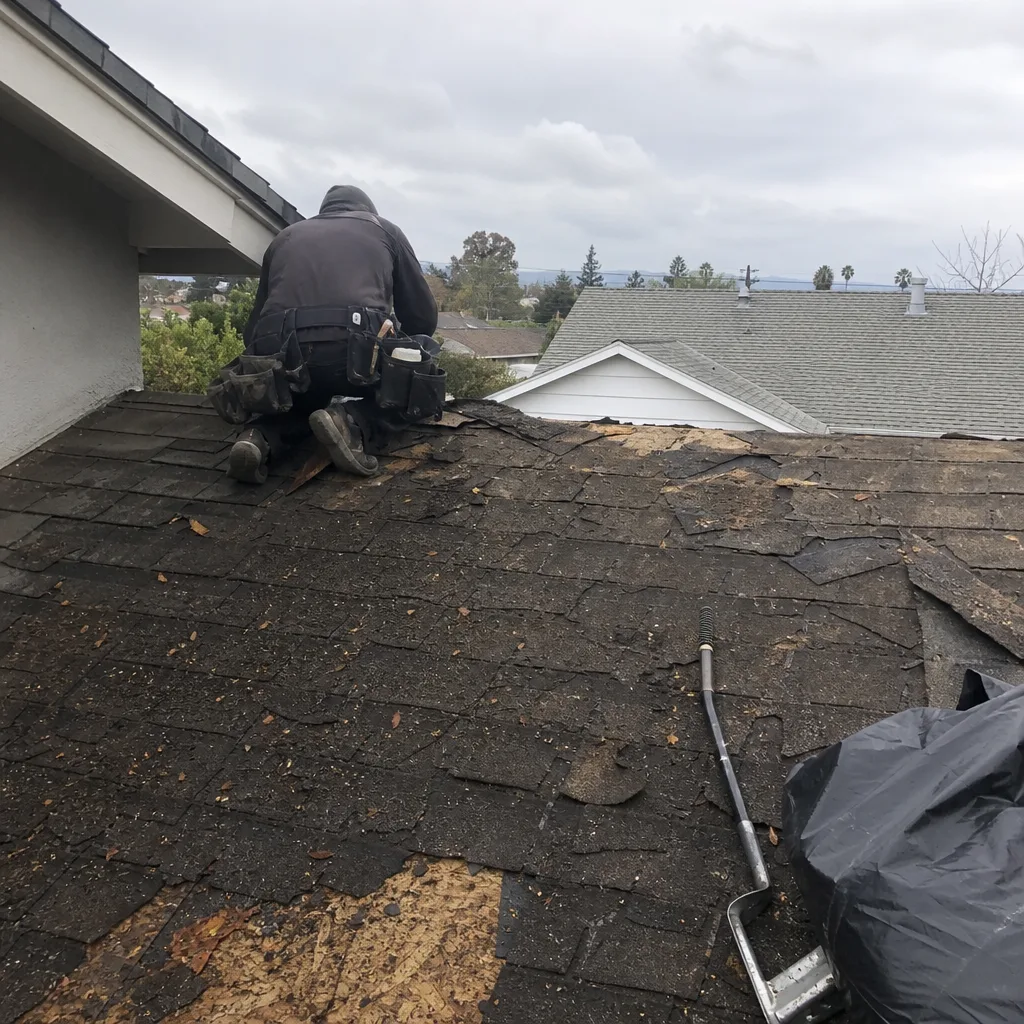 Before
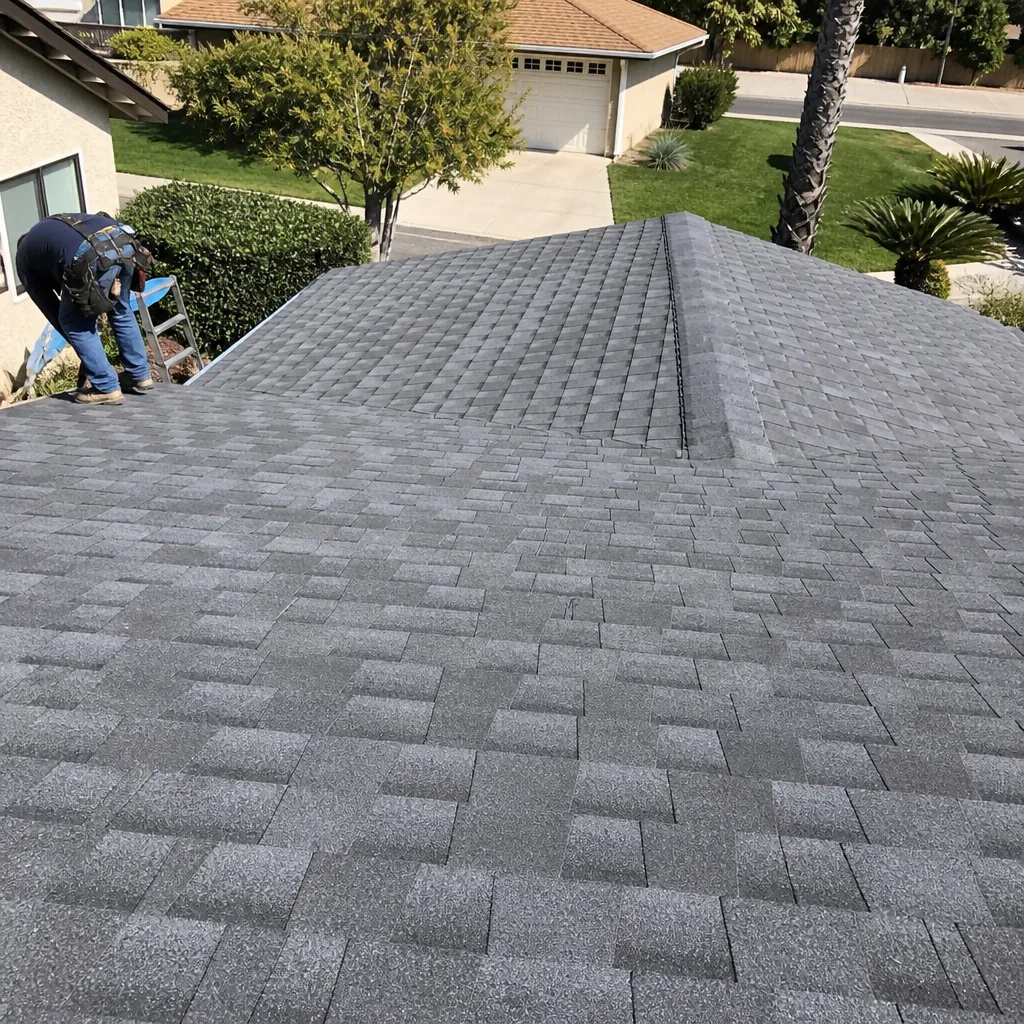 After
After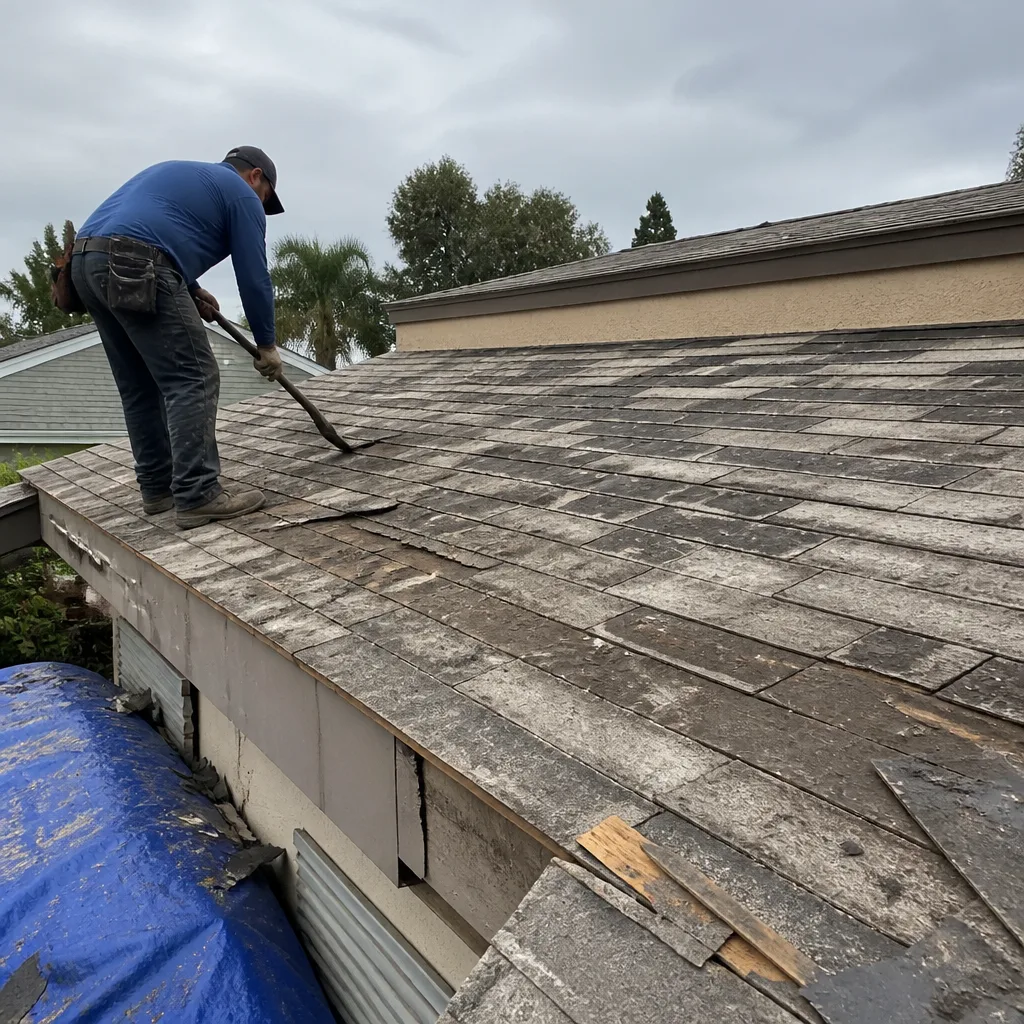 Before
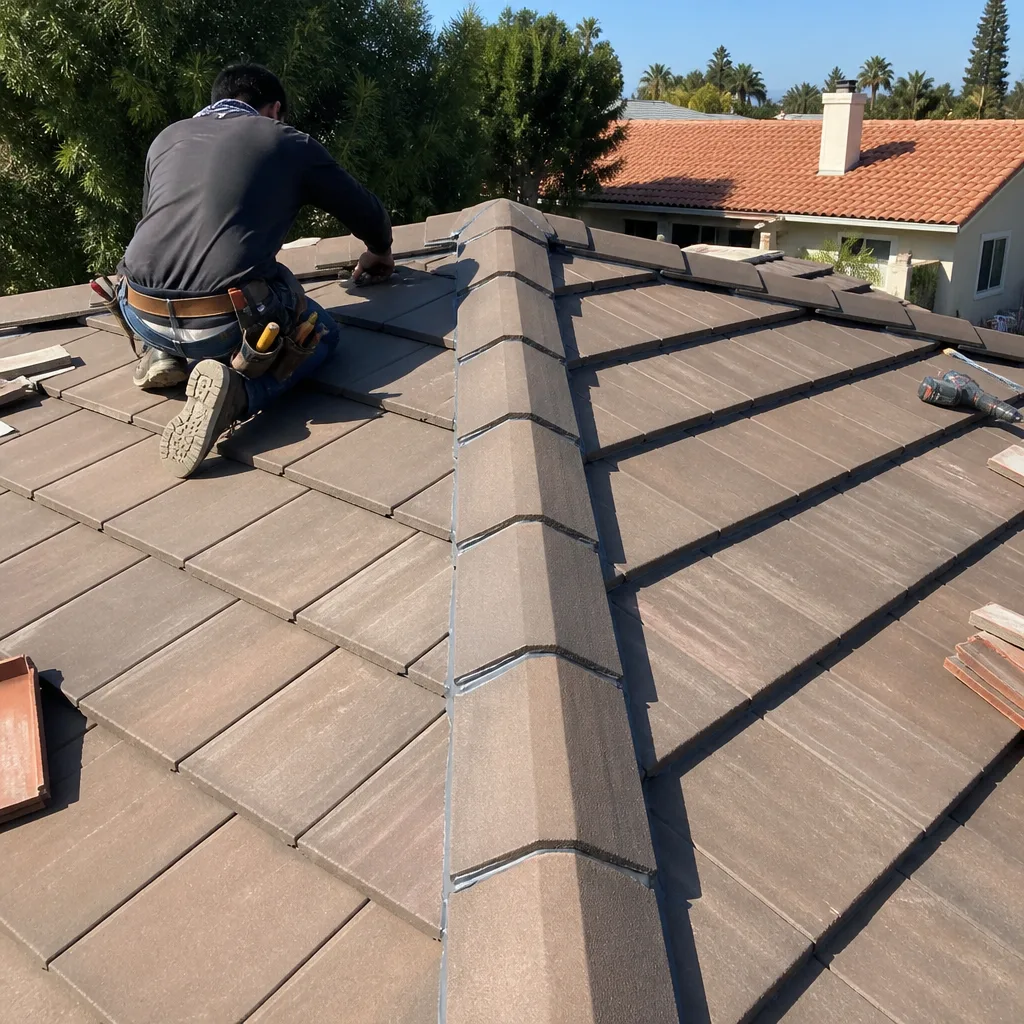 After
After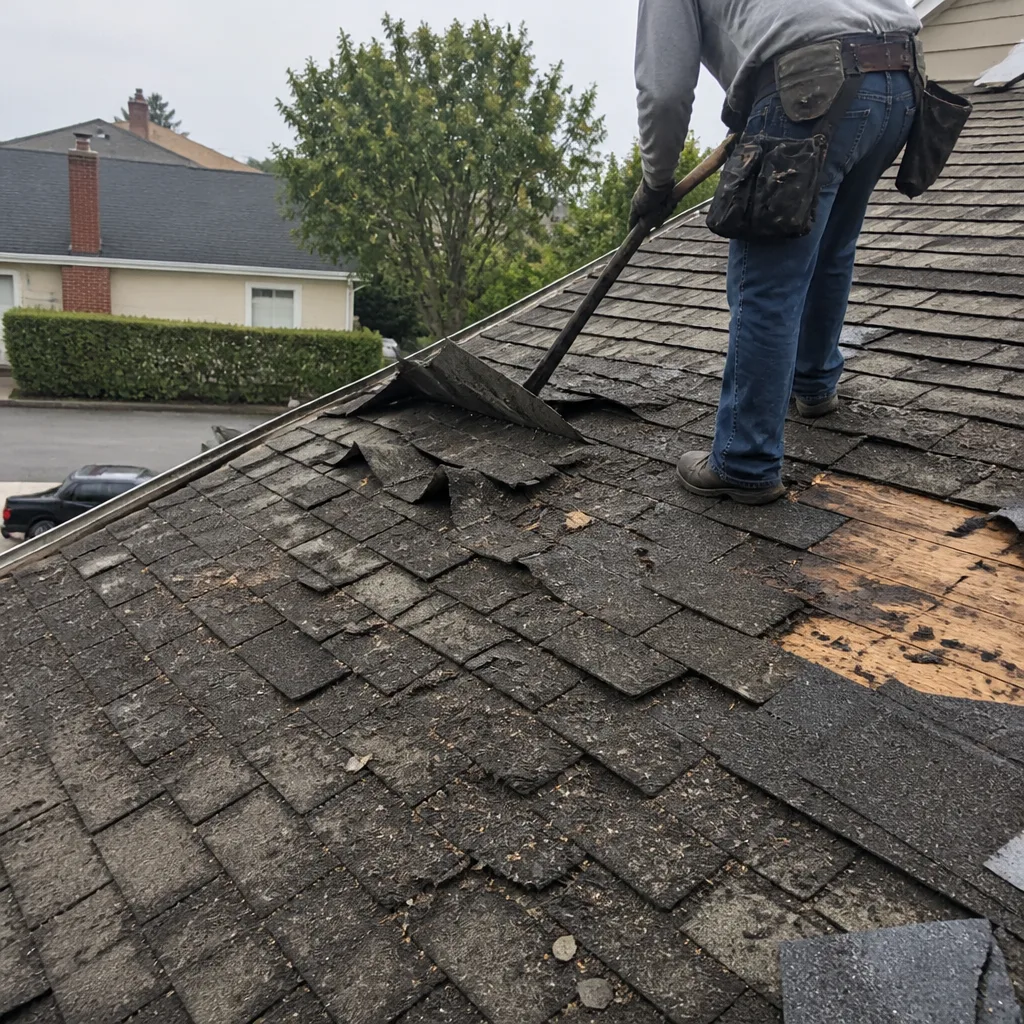 Before
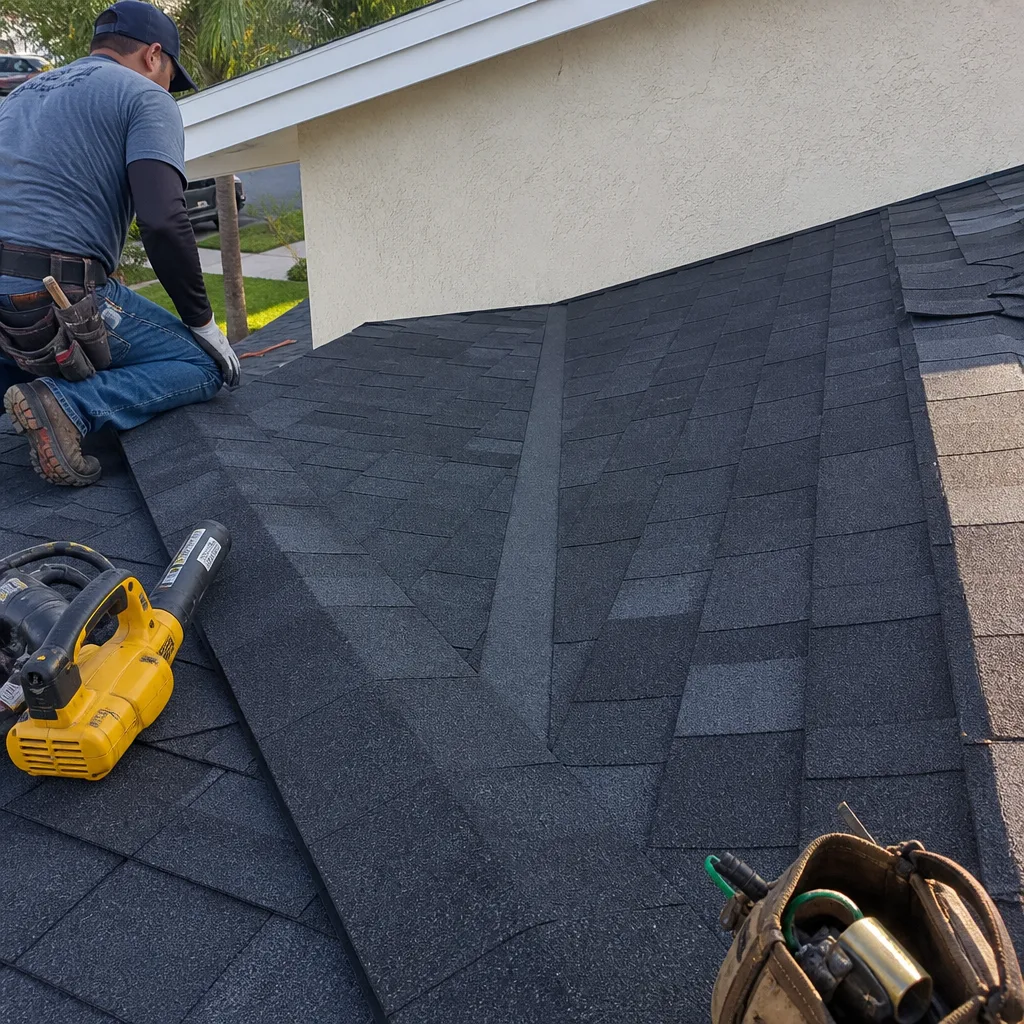 After
After