
Last updated October 17, 2026
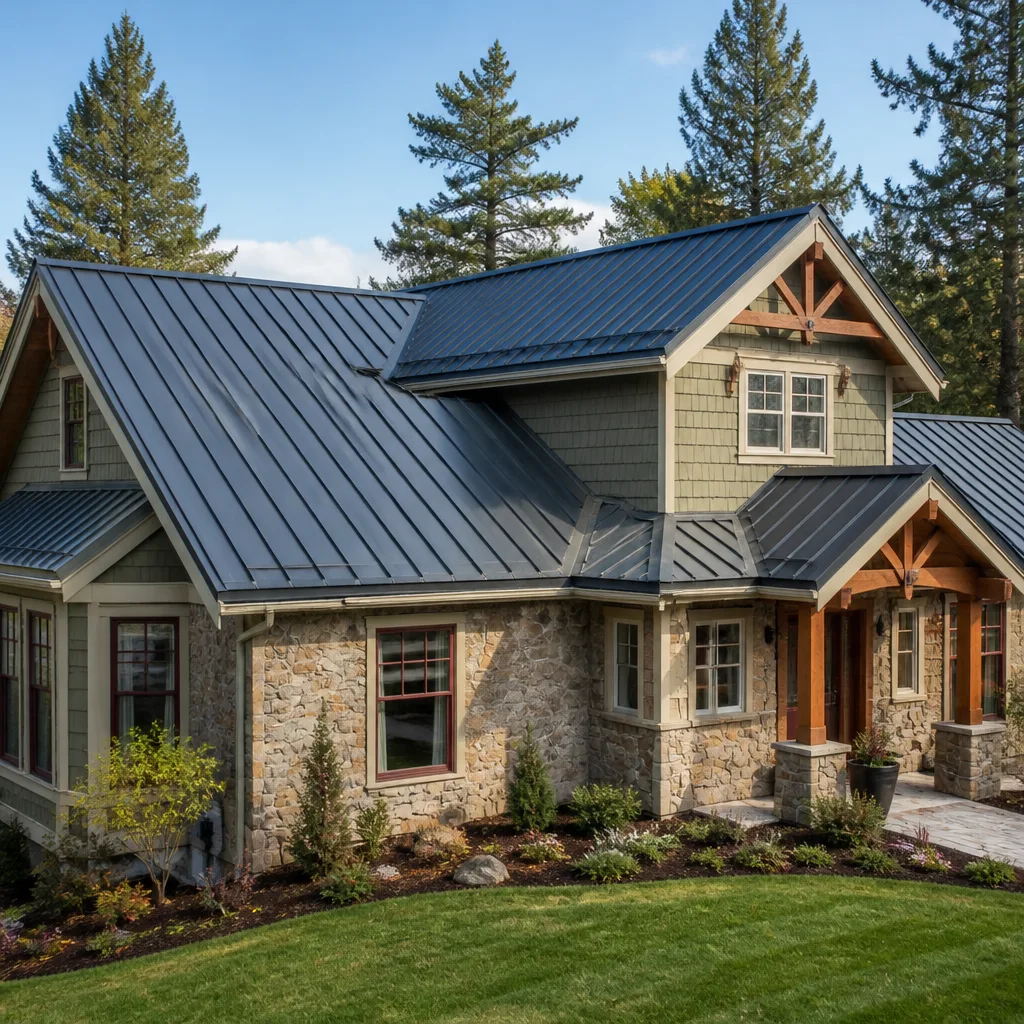 Metal roofing
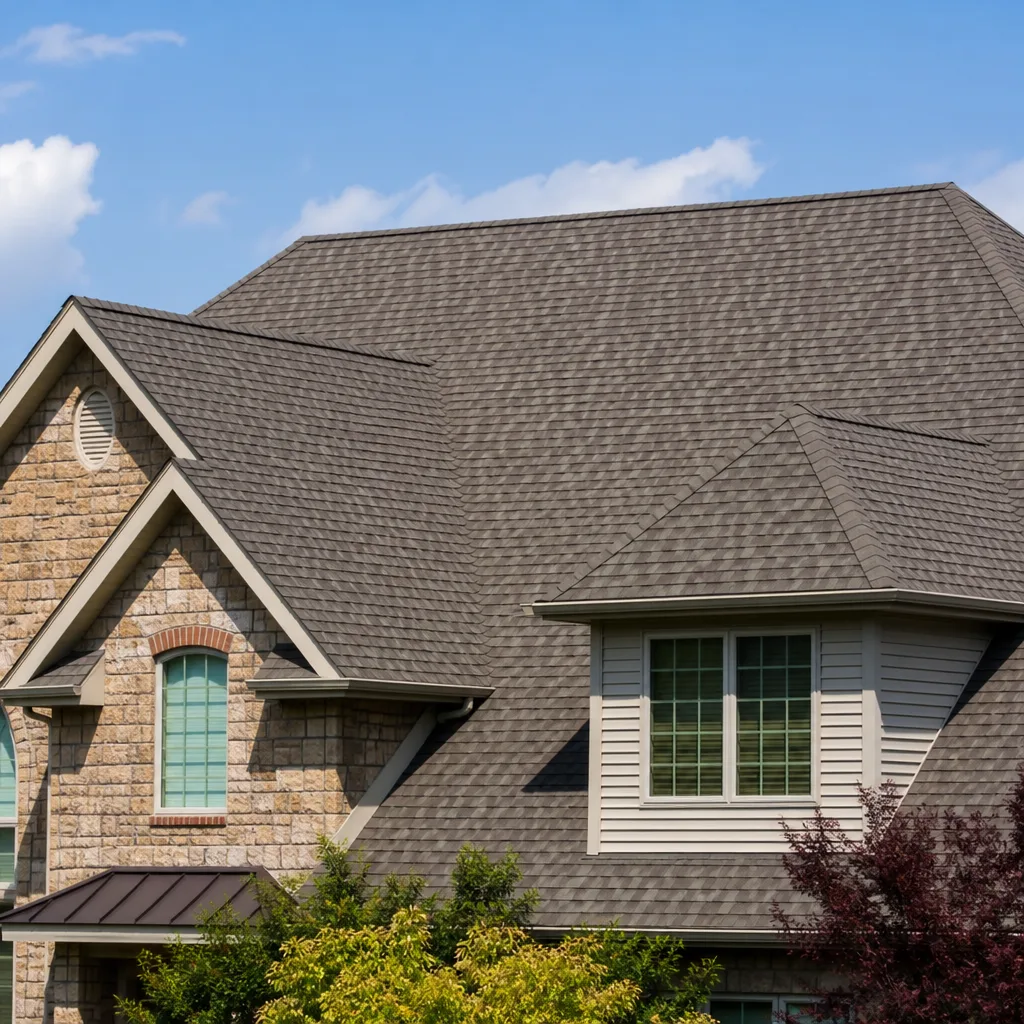 Architectural shingles
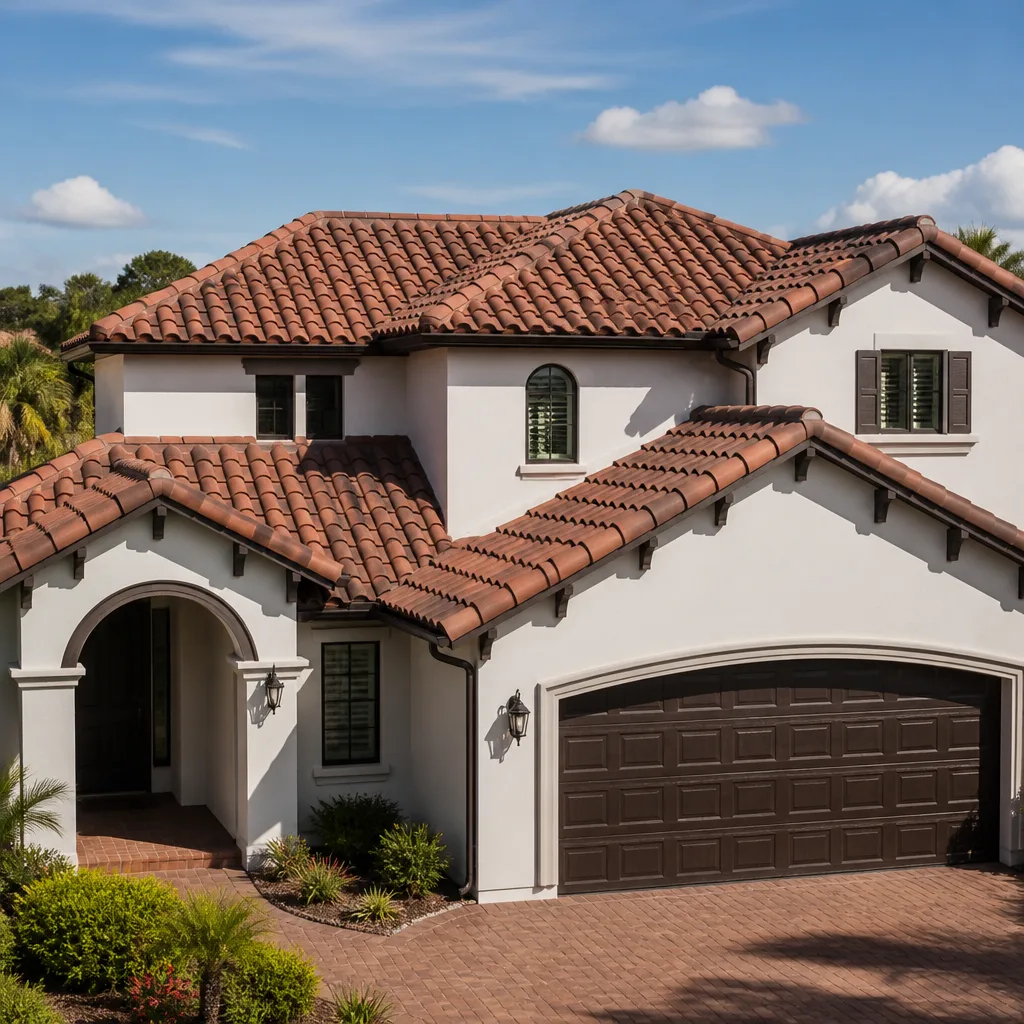 Tile roofing
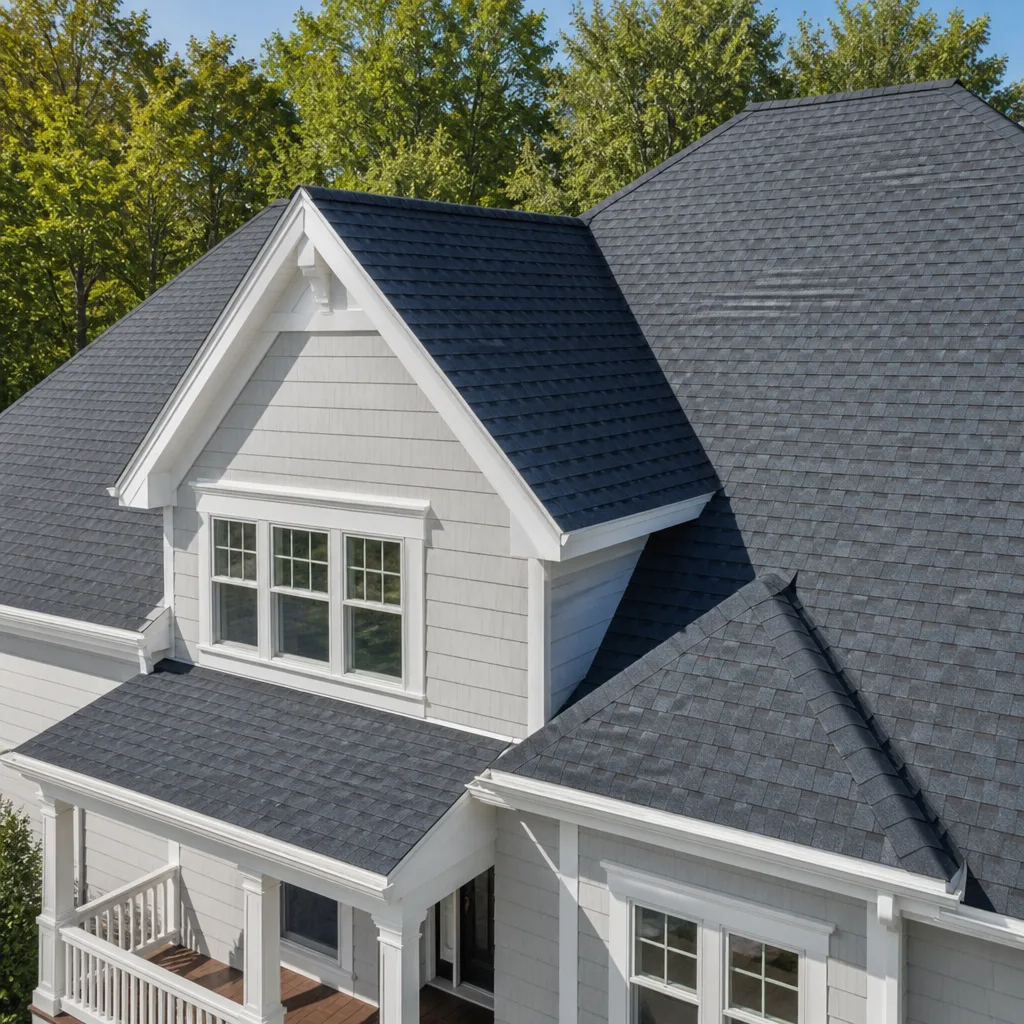 GAF
GAF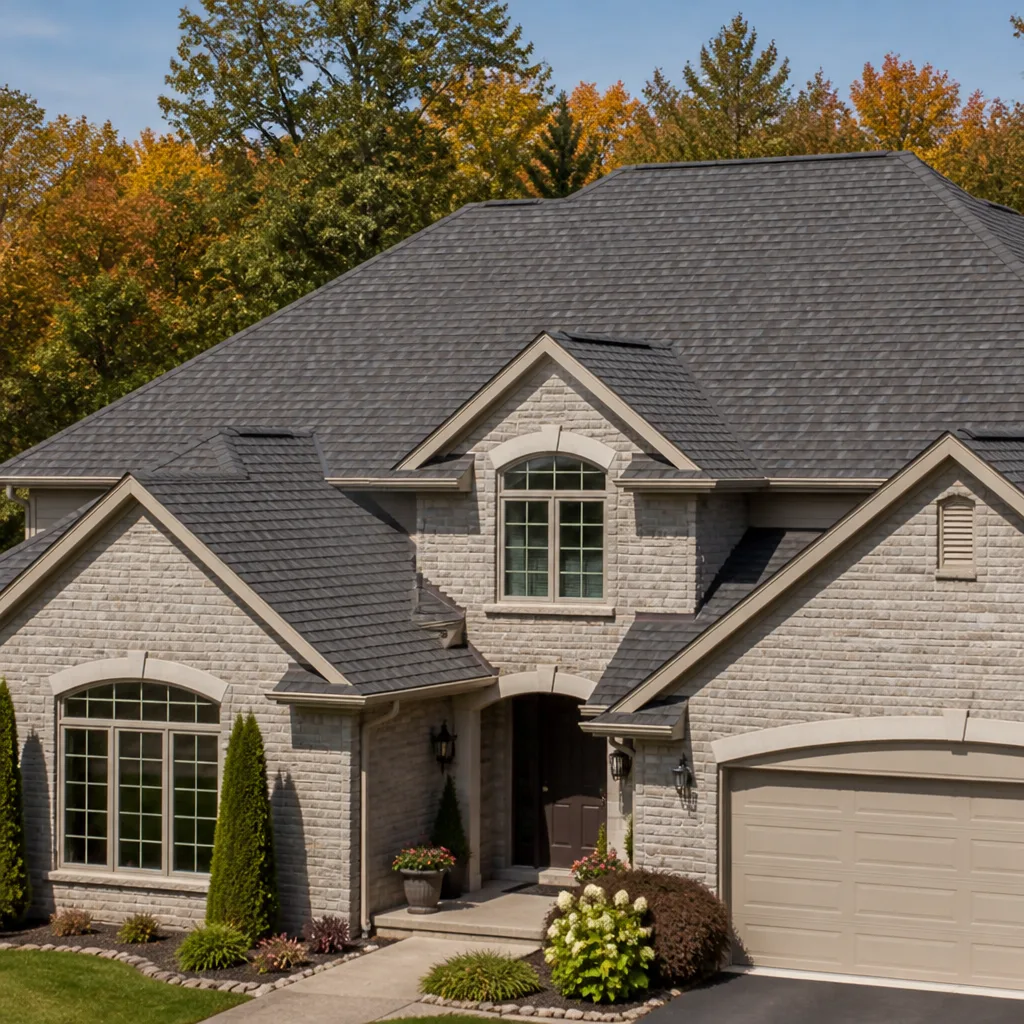 Owens Corning
 Flat & low-slope
Free roof inspection with deck photos before we talk money - GAF and Owens Corning certified installation
The Complete Guide to Roofing in Orange County
A roof that lasts 30 years in Anaheim Hills can fail in 18 in Dana Point. Same shingle, same installer, same building code, yet the marine-layer moisture cycling at the coast eats through underlayment while the inland heat spikes bake asphalt shingles until they become brittle. Most more guides & resources treat Orange County as one climate zone. That’s the mistake. Your zip code changes what fails first, what material makes sense, and what your HOA will even let you put on the house. By the end of this guide, you’ll know the real failure patterns in your part of Orange County, which materials actually survive them, what California’s Title 24 rules force you to do, how permits work city by city, and how to read a roofing bid line by line before you spend a dollar.
Quick Answer
Roofing in Orange County is a micro-climate problem, not a generic California problem. Coastal homes in Dana Point and Newport Beach fail from salt-driven corrosion and moisture retention; inland homes in Anaheim, Orange, and Fullerton fail from heat degradation and thermal movement; hillside homes in Yorba Linda and Mission Viejo fail from wind uplift and ember exposure. The right roof for your house depends on your specific neighborhood’s exposure, your HOA’s approved materials list, and whether your project triggers California’s Title 24 cool-roof requirements. A typical asphalt shingle replacement in Orange County runs $9,000 to $16,000 on a 2,000-square-foot home, takes 3 to 8 weeks from first call to final inspection, and requires a permit in every incorporated city.
Styles & brands we work with
Table of Contents
- How Orange County’s Micro-Climates Create Different Roof Failures
- HOA Material Restrictions and How They Narrow Your Choices
- Title 24 Cool-Roof Rules: When California Law Forces Your Hand
- Choosing the Right Roofing Material for Your Orange County Neighborhood
- The Real Orange County Roofing Timeline: First Call to Final Inspection
- How to Read a Roofing Bid Line by Line
- Orange County Permit Requirements and Wait Times by City
- Common Mistakes to Avoid
- When to Call a Professional
- Frequently Asked Questions
How Orange County’s Micro-Climates Create Different Roof Failures
Orange County spans three distinct climate bands, and each one attacks your roof in a different way. A contractor who treats your roof like a generic Southern California job is already getting it wrong before the first shingle comes off. Here’s what actually happens in each zone.
The Coastal Band: Newport Beach, Dana Point, Laguna Beach, Huntington Beach, San Clemente
Homes within three miles of the Pacific face a daily rhythm that inland roofs never see. The marine layer rolls in most evenings between March and September, condensing on cool roof surfaces and sitting there for eight to ten hours. Add salt aerosol carried by onshore winds, and you have a slow but relentless corrosion cycle. We regularly see flashings in Newport Beach that look ten years older than flashings in Orange installed the same year. The salt settles into the lap joints of metal flashings, accelerates galvanic corrosion, and eventually opens pinhole leaks around chimneys and valleys. Underlayment stays damp longer, which shortens its useful life even when the shingles above still look fine. If you own a coastal Orange County home, ask specifically about the flashing gauge and finish, and the underlayment’s moisture resistance rating.
The Inland Valley Band: Anaheim, Fullerton, Orange, Santa Ana, Garden Grove, Westminster
Inland Orange County takes a beating from a different direction: heat. Summer temperatures in Anaheim and Santa Ana routinely cross 95 degrees, and roof surface temperatures on a dark asphalt shingle can top 160 degrees. That repeated daily expansion and contraction is what causes asphalt shingles to become brittle and crack years earlier than the manufacturer’s warranty suggests. The failure is rarely visible from the ground. The shingles on the sun-facing slopes lose their granule adhesion first, then develop hairline cracks that let water through. We’ve inspected roofs in Fullerton where the south-facing slope was functionally dead at 14 years while the north-facing slope still had serviceable life. If you live inland, the color of your shingle matters more than almost anything else, which we’ll get to in the Title 24 section.
The Hillside and Foothill Band: Yorba Linda, Mission Viejo, Rancho Santa Margarita, Lake Forest, Tustin Hills
Hillside homes face two forces that flatland roofs don’t. First, wind uplift. Canyons channel wind, and ridgelines catch it. Santa Ana wind events routinely gust to 50 mph in the foothills, and a properly nailed ridge cap and drip edge are the difference between a roof that holds and a roof that peels. Second, ember exposure. Large swaths of Yorba Linda and the eastern foothills sit in designated high-fire-hazard zones. In those zones, California’s building code mandates Class A fire-rated materials and, in some new-construction cases, specific ember-resistant vent and eave details. If you’re replacing a roof on a hillside home, ask the contractor whether your address falls within a CalFire high-fire-hazard zone before selecting materials. It may restrict what you can legally install.
HOA Material Restrictions and How They Narrow Your Choices
The fastest factor narrowing your roofing choices in Orange County is not cost, code, or climate. It’s your HOA. Large master-planned communities in Irvine, Ladera Ranch, Aliso Viejo, and Rancho Santa Margarita maintain approved-materials lists that every homeowner must follow. Some are one page with three allowed shingle profiles in three allowed colors. Others run thirty pages with rules about underlayment color, ridge vent profile, and even the brand of drip edge.
Here’s how the process usually works:
- Pull your CC&Rs. Your recorded covenants, conditions, and restrictions are the governing document. The architectural guidelines are usually a separate document updated periodically, and that’s the one that lists approved roofing materials and colors. Get the current version, not the one that came with your closing packet in 2008.
- Find the roofing section. Look for phrases like “roofing materials,” “architectural standards,” or “exterior modifications.” This is where you’ll find whether you can use concrete tile, clay tile, architectural shingles, standing seam metal, or only one specific product.
- Check whether the approval is prescriptive or discretionary. Some HOAs say “asphalt composition shingles in charcoal, slate gray, or weatherwood.” That’s prescriptive, and if your chosen material matches, approval is straightforward. Others say “architecturally compatible materials subject to committee review.” That’s discretionary, and it means a committee member’s taste can sink your project. Discretionary HOAs are common in older coastal areas like Corona del Mar and parts of Laguna Niguel.
- Submit samples with your application. Most HOAs want physical shingle samples or at minimum manufacturer color codes with your architectural application. Approval windows vary, but plan on two to four weeks in most Orange County HOAs, and longer around the holidays or in communities with volunteer-only review committees.
The practical takeaway: in many Orange County neighborhoods, your real material choice is already narrowed to two or three options before you start pricing anything. If you call a contractor and they quote you a material your HOA has never approved, you’ve just wasted a week. A competent Orange County roofing company will ask about your HOA in the first phone call. We do, because it saves you time and saves us from quoting a roof that will never get approved.
Title 24 Cool-Roof Rules: When California Law Forces Your Hand
California’s Title 24 energy code applies statewide, but in Orange County it changes the re-roofing conversation in a specific way: the moment your project crosses from “repair” to “replacement,” cool-roof requirements can kick in. Here’s what that means in plain language.
A cool roof is one that reflects more solar energy than a standard roof of the same material type. For asphalt shingles, the standard is set by the Cool Roof Rating Council’s minimum values for solar reflectance and thermal emittance. In practice, most standard dark shingles do not meet the cool-roof standard. Lighter-colored shingles and many “cool” rated shingle lines do. CertainTeed, GAF, and Owens Corning all manufacture shingles rated as cool roofs in multiple colors, including some surprisingly deep tones that still pass.
When does Title 24 actually apply to you?
- Full roof replacements (tear-off and re-roof) on existing homes: In most California climate zones including Orange County, a full replacement requires the new roof to meet cool-roof standards unless the home already has permanent above-sheathing insulation. Most Orange County homes do not. This means your new asphalt shingle roof will likely need to be a rated cool-roof product.
- Repairs covering less than half the roof: Title 24 cool-roof requirements do not apply to patch repairs or partial replacements under 50 percent of the roof area. You can match the existing material.
- New construction and additions: Cool-roof requirements are baked into the building permit from the start, along with overall Title 24 energy compliance.
- Clay and concrete tile: Many natural or light-colored tiles already meet the cool-roof standard without a special rated product. Dark tile homes in Orange County are where this gets complicated, because the same profile in a lighter color often satisfies the requirement.
The practical effect in Orange County is that the cheapest dark shingle on the market is often not a legal option for a full re-roof. When a bid looks too good to be true, the first thing to check is whether the shingle is Title 24 compliant. If it’s not, the bid is either quoting a non-compliant roof or planning to fail your energy inspection. Neither one ends well.
Choosing the Right Roofing Material for Your Orange County Neighborhood
Orange County is one of the few markets where four very different roofing materials all make genuine sense, depending on where your house sits. Here’s the honest breakdown, including what each material costs and where it belongs.
Asphalt Composition Shingles
Asphalt shingles are the workhorse of Orange County residential roofing, installed on roughly 70 percent of homes countywide. They cost $4.50 to $7.00 per square foot installed, which puts a typical 2,000-square-foot roof at $9,000 to $14,000. Architectural shingles, which are thicker and layered for a dimensional look, dominate the Orange County market. Leading product lines include GAF Timberline, CertainTeed Landmark, and Owens Corning Duration. In coastal Orange County, expect 18 to 22 years of service. Inland, with a cool-rated product in a light to medium color, expect 20 to 25 years. Hillside high-wind zones call for a shingle with a high wind warranty rating and proper nailing pattern.
Concrete and Clay Tile
This is the classic Orange County aesthetic, and in many HOAs in Mission Viejo, Coto de Caza, and parts of San Juan Capistrano, it’s the only approved material. Tile runs $12 to $20 per square foot installed, so that same 2,000-square-foot home lands at $24,000 to $40,000. But the service life is dramatically longer: 40 to 60 years for concrete tile and 50 to 70 for well-maintained clay. The catch is the underlayment. Tile roofs in Orange County typically outlive their underlayment by decades. The tile itself looks fine while the felt or synthetic underlayment underneath quietly degrades and begins to leak. Every tile roof should be inspected at the 20-year mark even if the tiles are pristine.
Standing Seam Metal
Metal keeps growing in Orange County, particularly in modern-style coastal homes in Newport Beach and Laguna Beach where HOAs permit it. Installed cost runs $14 to $22 per square foot. A well-installed standing seam roof lasts 40 to 50 years, shrugs off salt air, and carries fire ratings that satisfy even the strictest hillside rules. The upfront cost is real, but for a homeowner who plans to stay in the house for 20 years, the math often works. The material choices range from coated steel to aluminum; in a salt-air environment within two miles of the coast, aluminum is the better call because it doesn’t corrode the way steel can once its coating is compromised.
The Material Decision Matrix
- Coastal Orange County, HOA prescribes tile: Your decision is already made. Maintain the underlayment, inspect every 5 years, and schedule your underlayment replacement before the tile fails.
- Coastal Orange County, HOA flexible: Standing seam aluminum or a high-quality architectural shingle with salt-resistant flashing details. Avoid cheap metal flashings regardless of shingle choice.
- Inland Orange County, dark roof today: You’re likely replacing it with a cool-rated shingle in a lighter tone. Work with the HOA if your community has color restrictions, because Title 24 will push the same direction.
- Hillside Orange County, high fire hazard zone: Class A rated materials are a code requirement. Concrete tile, standing seam metal, and most architectural shingles all qualify. The venting and eave details matter as much as the surface material.
We carry materials from seven manufacturers, including GAF, CertainTeed, Owens Corning, IKO, Atlas, Tamko, and Boral, because no single product line is right for every Orange County micro-climate. The material should follow the address, not the other way around.
The Real Orange County Roofing Timeline: First Call to Final Inspection
If a contractor tells you your Orange County roof replacement will be done in a week start to finish, they’re counting install days, not calendar days. The real project runs longer because of factors outside the contractor’s control. Here’s what we tell homeowners to expect, based on typical conditions across Orange County.
- First call to on-site inspection: 2 to 5 days. Quality Orange County roofing companies are busy but should get someone on your roof within a week. The inspection takes 45 to 90 minutes and includes attic access, roof surface assessment, flashing inspection, and a conversation about HOA constraints and material preferences.
- Written proposal delivery: 1 to 3 days after inspection. You should have a line-item written price in your hands within a week of the first call. If the proposal is vague, that’s a signal to keep shopping.
- HOA architectural approval: 2 to 6 weeks. This is often the longest single wait. HOAs in Irvine, Ladera Ranch, and Rancho Santa Margarita typically review applications at monthly committee meetings. Some use rolling review. Ask your HOA management company for their current timeline before you sign anything.
- City permit issuance: 2 days to 3 weeks. See the permit section below for city-by-city reality. Simple re-roofs with complete plans typically move fast; projects involving structural decking replacement or changes to roof pitch can take longer.
- Material delivery: 3 to 10 days. Most Orange County material suppliers deliver within a week. Custom tile or special-order cool-roof colors can push to two weeks.
- Tear-off and installation: 2 to 5 days. A typical single-family replacement takes two to four days of actual work. Large homes, steep pitches, two-story tear-offs, and tile roofs stretch this. Your crew should leave the site clean every day.
- City inspection and final sign-off: 1 to 5 days after completion. Most Orange County cities schedule re-roof inspections quickly. A roof that fails inspection is unusual if a qualified company did the work, but every city requires the final sign-off before the permit closes.
Realistic total: 4 to 10 weeks from first call to final inspection, with HOA approval being the biggest variable. If your HOA approves quickly and your city issues fast, a project can land on the shorter end. If either drags, plan for the longer end. No roofing company can control an HOA committee calendar.
How to Read a Roofing Bid Line by Line
Two Orange County roofing bids can look identical in final price and be wildly different in what they actually include. The difference shows up in the line items. Here’s how to read a bid like someone who has been burned before, because most of our customers have been.
Line Items Every Legitimate Orange County Roofing Bid Should Include
- Tear-off and disposal. It should state clearly whether the old roof is removed to the deck or new shingles are going over existing layers. Orange County building code allows a limited number of roof layers, and reroofing over a failed layer is a shortcut you don’t want.
- Decking allowance. This is the line that changes prices. A bid should state the cost per sheet of plywood or OSB if rotted or damaged decking is found. Typical Orange County rates run $75 to $110 per sheet installed. If the bid doesn’t mention decking at all, ask where that cost comes from when the crew finds bad wood.
- Underlayment type and brand. The bid should name the specific underlayment: 15-pound felt, 30-pound felt, or a synthetic product like GAF Deck Armor or CertainTeed RoofRunner. In coastal Orange County, a high-quality synthetic underlayment is worth the upgrade.
- Flashing replacement. Chimney flashings, pipe boots, valley metal, and wall step flashing. The bid should state that flashings are replaced, not just re-sealed. Reusing old flashings is the most common cause of early failures we see on replacements.
- Drip edge. Include it. The bid should state the material and gauge. Missing drip edge is a code violation in most Orange County cities and a fast path to fascia rot.
- Ventilation. Ridge vent or box vents, stated by product and quantity. Attic airflow is a factor in shingle life, and some Orange County homes never had adequate venting from the original build.
- Permit fees. The bid should state exactly what the city permit costs and confirm it’s included. Some contractors quote without the permit fee and add it “at actual cost” later. That’s not a surprise you want.
- HOA-related items. If the HOA requires a specific color, profile, or accessory, the bid should reflect it. If you’ve already gotten HOA approval, it should be noted on the proposal.
- Workmanship warranty term. The bid should state the contractor’s workmanship warranty in writing. Manufacturer material warranties are separate. Our roofing company in Orange County puts the written guarantee on every repair before the crew leaves, and our 365-Day Done Right Promise covers every job for a full year.
Red Flags in Bids We’ve Seen Around Orange County
- “Decking as needed at prevailing rates.” This is not a price. It’s an open check. A real bid states the per-sheet cost.
- “Flashing to be evaluated on site.” Evaluate it during the inspection, not during the tear-off. The price should already account for it.
- No mention of the permit. In Orange County, every incorporated city requires a re-roof permit. A bid without a permit line means the job is either being done illegally or the fee will magically appear later.
- A price that doesn’t change. We know that sounds counterintuitive, but no two roofs are identical. A bidder who quotes without inspecting your attic, your HOA rules, and your current roof condition is guessing. A guess that comes in thousands below market is a red flag, not a bargain.
- Warranty language that stops at “we stand behind our work.” That’s not a warranty. That’s a sentence. You want a written term, in months or years, on the proposal document itself.
The Kingswell Way, which every Tilehurst Roofing location follows, says the price before the work, the guarantee in writing, and back we come if it fails. We’ve been doing it that way since 2000, and the result is a bid you can actually compare to another bid without needing a contractor’s license yourself.
Orange County Permit Requirements and Wait Times by City
Every incorporated city in Orange County requires a building permit for a roof replacement. The permit exists to verify that the installation meets California building code and, where applicable, Title 24 energy standards. A contractor who suggests skipping the permit to “save you money” is asking you to accept liability for a code violation that will surface when you sell the house. Here’s what to expect by city, based on what we see across Orange County.
- Anaheim: Re-roof permits typically issue in 3 to 7 business days with complete plans. Anaheim’s plan check is efficient for simple replacements.
- Santa Ana: Similar window, 3 to 10 business days. Santa Ana requires the usual set of product approvals and Title 24 documentation.
- Irvine: 1 to 3 weeks. Irvine’s planning department is busier, and larger HOAs add their own review layer before the city even sees the application.
- Huntington Beach: 2 to 10 business days. Coastal properties should expect a check on fasteners and underlayment nailing patterns given the marine exposure.
- Newport Beach: 1 to 3 weeks. Newport’s coastal corrosion issues mean the city is particular about flashing details, and their inspectors tend to be thorough.
- Mission Viejo and Laguna Niguel: 1 to 2 weeks. Tile-heavy communities, so the permit often includes tile profile verification and HOA sign-off.
- Yorba Linda: 1 to 2 weeks. Eastern foothill locations may trigger fire-zone material checks as part of the plan review.
The permit fee itself varies by valuation, but most Orange County re-roof permits fall in the $300 to $800 range. The contractor should carry the permit in their name, not yours, and should handle the inspection scheduling. If you want to verify a contractor’s standing, ask for their California contractor license number and check it with the Contractors State License Board. Never hire someone who can’t produce one.
For an in-depth look at replacement timing, costs, and material selection, see our full roof replacement guide for Orange County.
Common Mistakes to Avoid
- Picking a material before checking the HOA. In Irvine, Ladera Ranch, and Rancho Santa Margarita, the HOA’s approved list often eliminates most of the materials a homeowner was excited about. Check first.
- Choosing a dark shingle for an inland full replacement. Title 24 cool-roof rules will likely force a lighter, rated product anyway, and dark shingles age faster in Anaheim heat regardless of code.
- Replacing only the shingles but reusing the flashings. Flashing failures are the most common source of leaks on newer Orange County roofs. Reused flashings are a false economy.
- Ignoring the underlayment on a tile roof. Tile lasts 50 years. Underlayment lasts 20 to 25. If the tile roof is at the 20-year mark in coastal Orange County, the underlayment is on borrowed time.
- Taking a bid over the phone without an inspection. No legitimate Orange County roofing contractor can price a roof they haven’t walked. A phone quote is a guess with your money attached.
- Hiring without verifying the contractor license. The CSLB makes it a two-minute check. In Orange County, unlicensed roofing work is common enough that the check is not optional.
- Skipping the permit. Every Orange County city requires a re-roof permit. An unpermitted roof becomes a title defect when you sell the home, and the buyer’s lender may refuse to fund.
When to Call a Professional
Some roof conditions are fine to monitor. Others mean the clock is running. Call a professional if you have water stains on a ceiling, granules accumulating in gutters, shingles that are curling or missing, daylight visible through the attic boards, or a roof that’s 15 years old and has never been professionally inspected. In coastal Orange County neighborhoods, pay particular attention to rust-colored streaks around flashings and any sign of moisture in the attic after a marine layer night. These are not DIY inspection items. A thorough roof inspection requires getting on the roof and into the attic, and missing a failed flashing because you couldn’t see it from the ground is how a $600 repair becomes a $6,000 decking replacement. Tilehurst Roofing Orange County offers free estimates throughout Orange County, with a written price in your hands before any work starts. Call (559) 295-5445 to schedule yours. If you have a leak that’s already active, see our roof repair guide for Orange County first.
Frequently Asked Questions
A full asphalt shingle replacement on a typical 2,000-square-foot Orange County home runs $9,000 to $16,000 depending on material, pitch, tear-off layers, and HOA requirements. Concrete or clay tile runs $24,000 to $40,000, and standing seam metal runs $28,000 to $44,000. Coastal and hillside homes tend to land at the higher end due to flashing and fire-code requirements. Call (559) 295-5445 for an exact quote on your roof, including the written price before any work begins.
Yes. Every incorporated city in Orange County requires a building permit for a roof replacement, and most also require a permit for significant structural repairs. A licensed contractor should pull the permit in their name and schedule the final inspection. An unpermitted roof can become a title issue when you sell.
In most cases, yes. If you’re doing a full tear-off and replacement on a home without above-sheathing insulation, the new roof must meet California’s cool-roof standards for solar reflectance. Repairs covering less than half the roof are exempt. Tile and metal roofs often meet the standard naturally.
Standing seam aluminum and clay tile both deliver the longest service life within a few miles of the Pacific, where salt air accelerates corrosion on steel flashings and asphalt shingle degradation. Tile requires underlayment replacement every 20 to 25 years even though the tile itself lasts 50 or more. Aluminum standing seam avoids the corrosion issues of steel in a salt environment.
Yes, if the CC&Rs and architectural guidelines specify an approved-materials list, and many Orange County HOAs do exactly that. The HOA approval process typically takes two to six weeks and may require physical samples. Your contractor should ask about HOA constraints before quoting.
Most Orange County full replacements take 4 to 10 weeks from first call to final inspection. The actual tear-off and installation is usually 2 to 5 days. The rest is inspection, proposal delivery, HOA approval, city permit issuance, material delivery, and the city’s final inspection. HOA approval is the biggest variable outside the contractor’s control.
The Bottom Line
Roofing in Orange County is not a one-answer problem. Your neighborhood’s elevation, distance from the coast, HOA rulebook, and Title 24 obligations all shape which roof makes sense and what it will cost. The homeowners who get the best results do three things: they check HOA rules before falling in love with a material, they read bids line by line until every line item is spelled out, and they hire a contractor who puts the price, the guarantee, and the timeline in writing before the first nail is driven, and they follow a Roofing Company Maintenance Checklist for Orange County Homeowners. That’s how we’ve operated at Tilehurst Roofing since 2000, under the Kingswell family’s standard. Call (559) 295-5445 for a free estimate and a written price you can hold us to.
Written by Greg Holloway, Owner at Tilehurst Roofing Orange County, serving Orange County since 2000.
See the difference
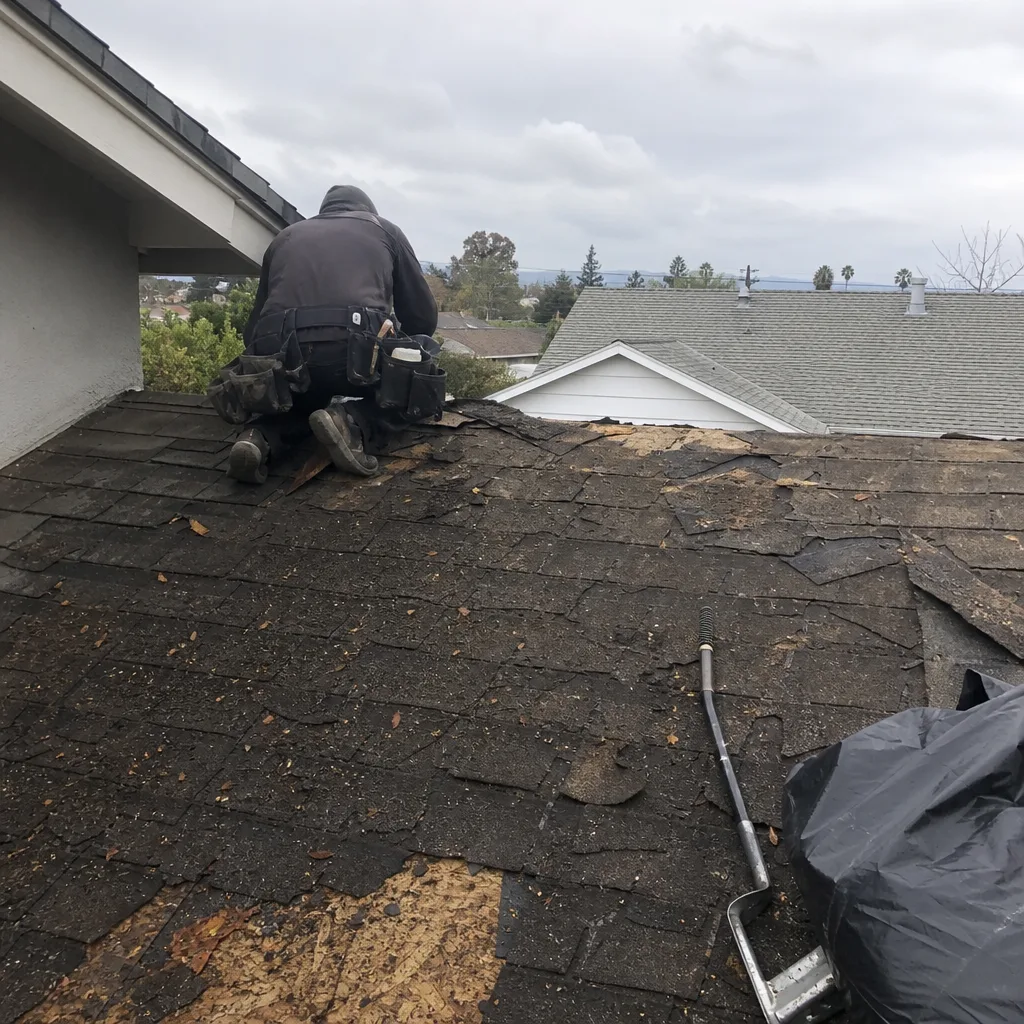 Before
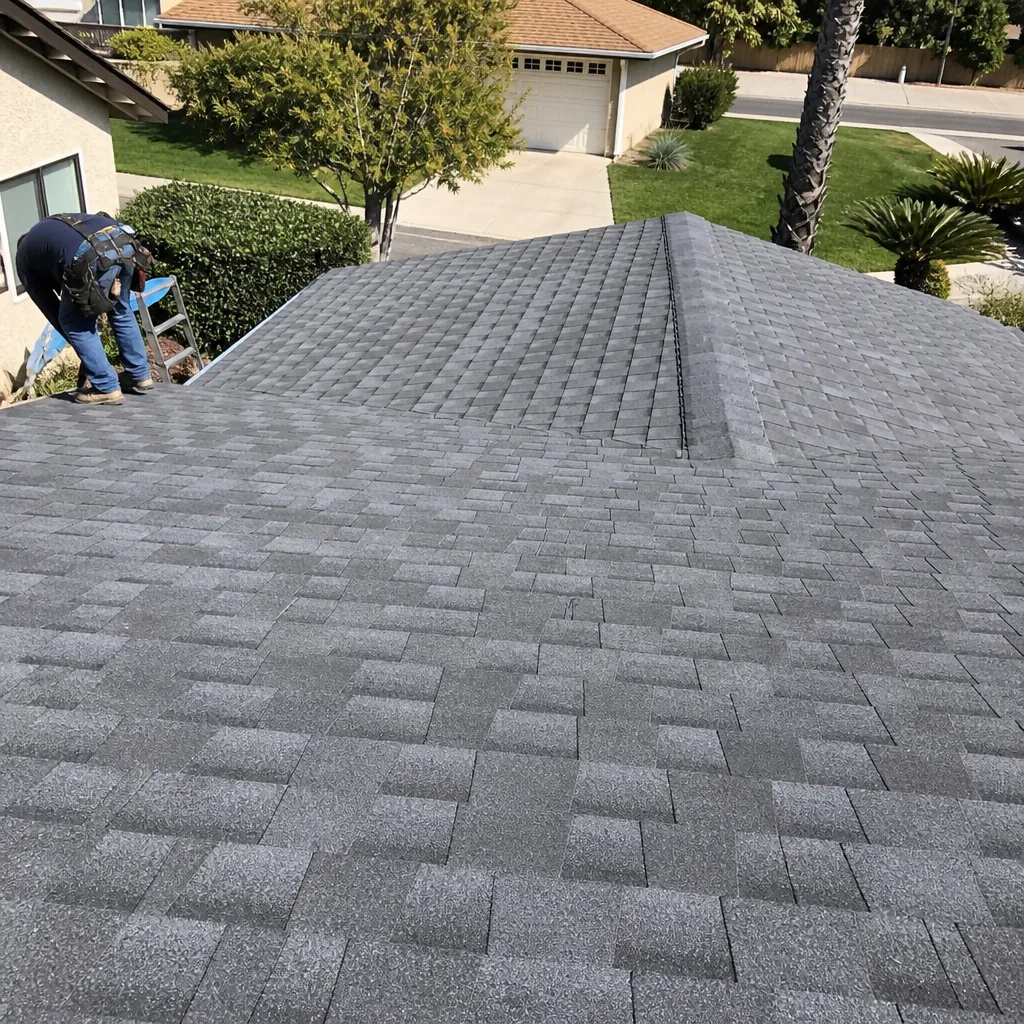 After
After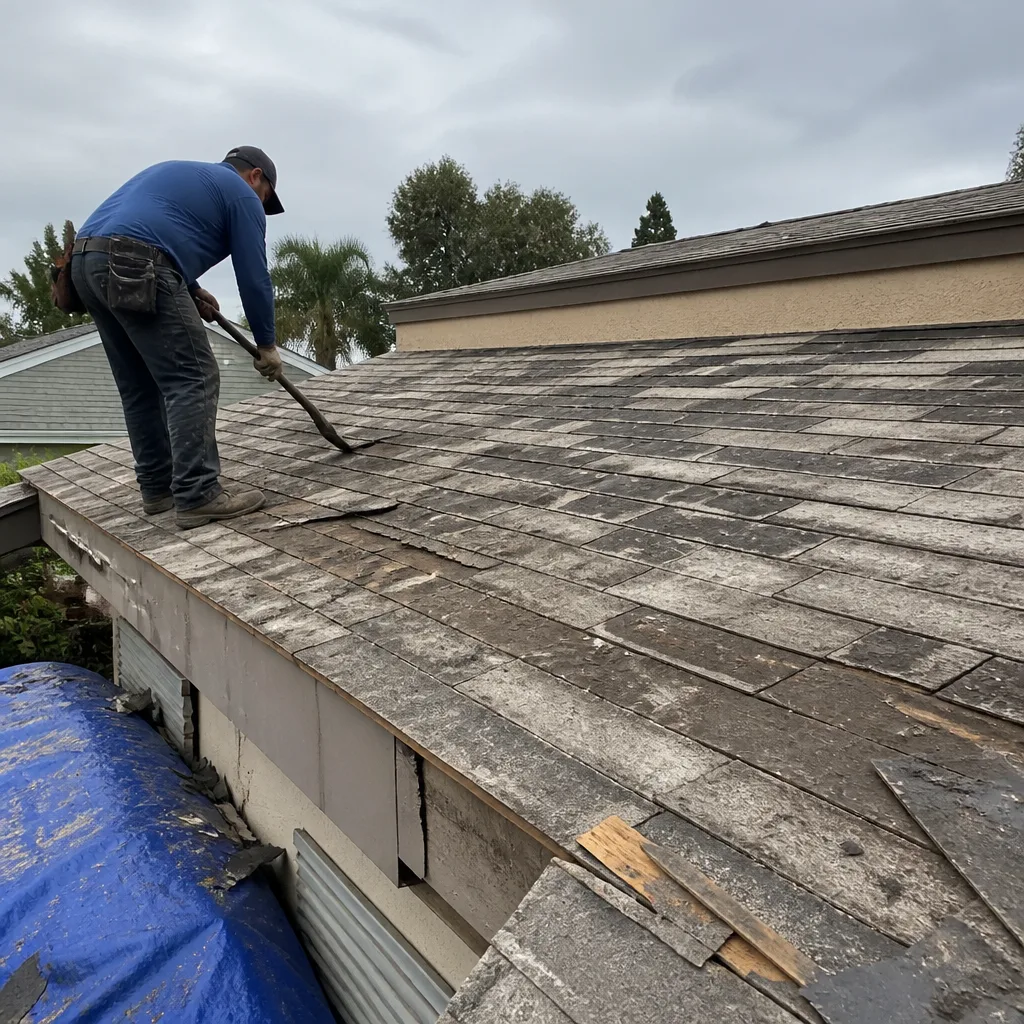 Before
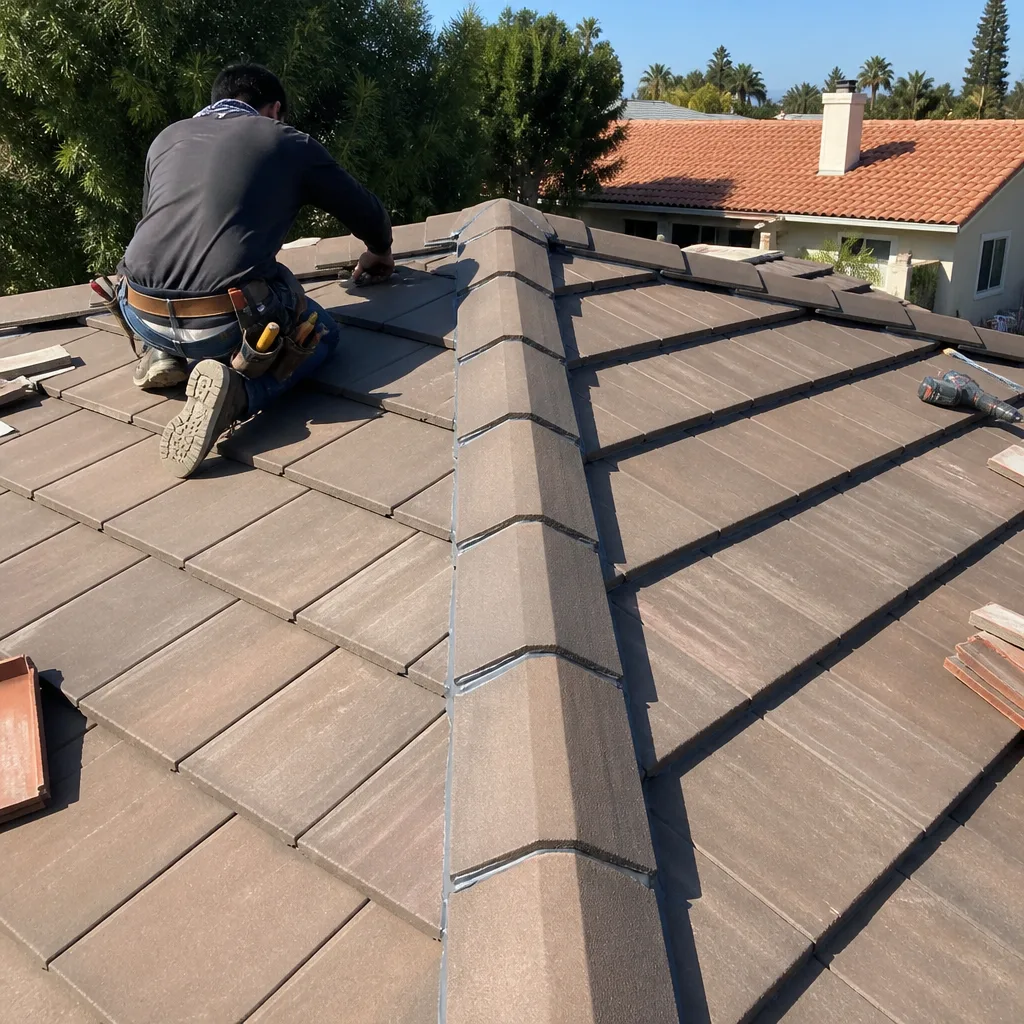 After
After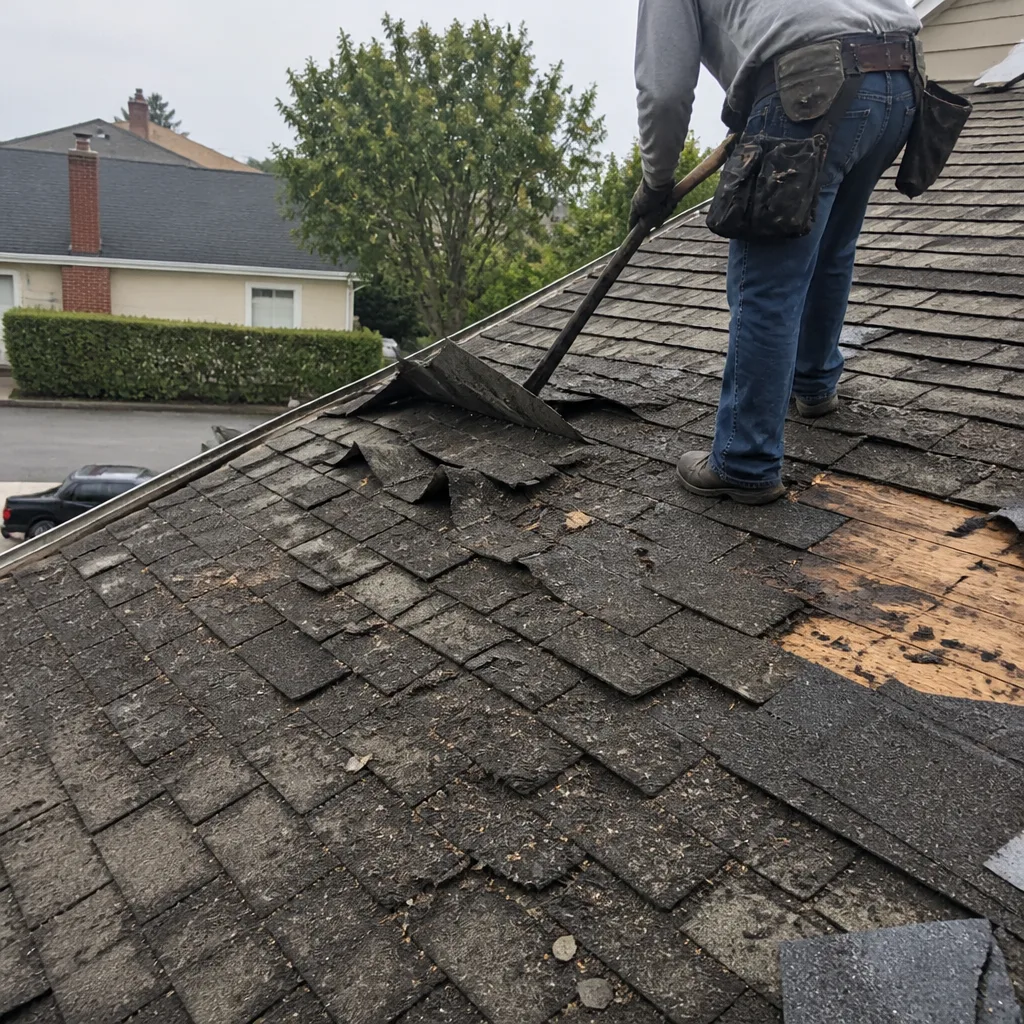 Before
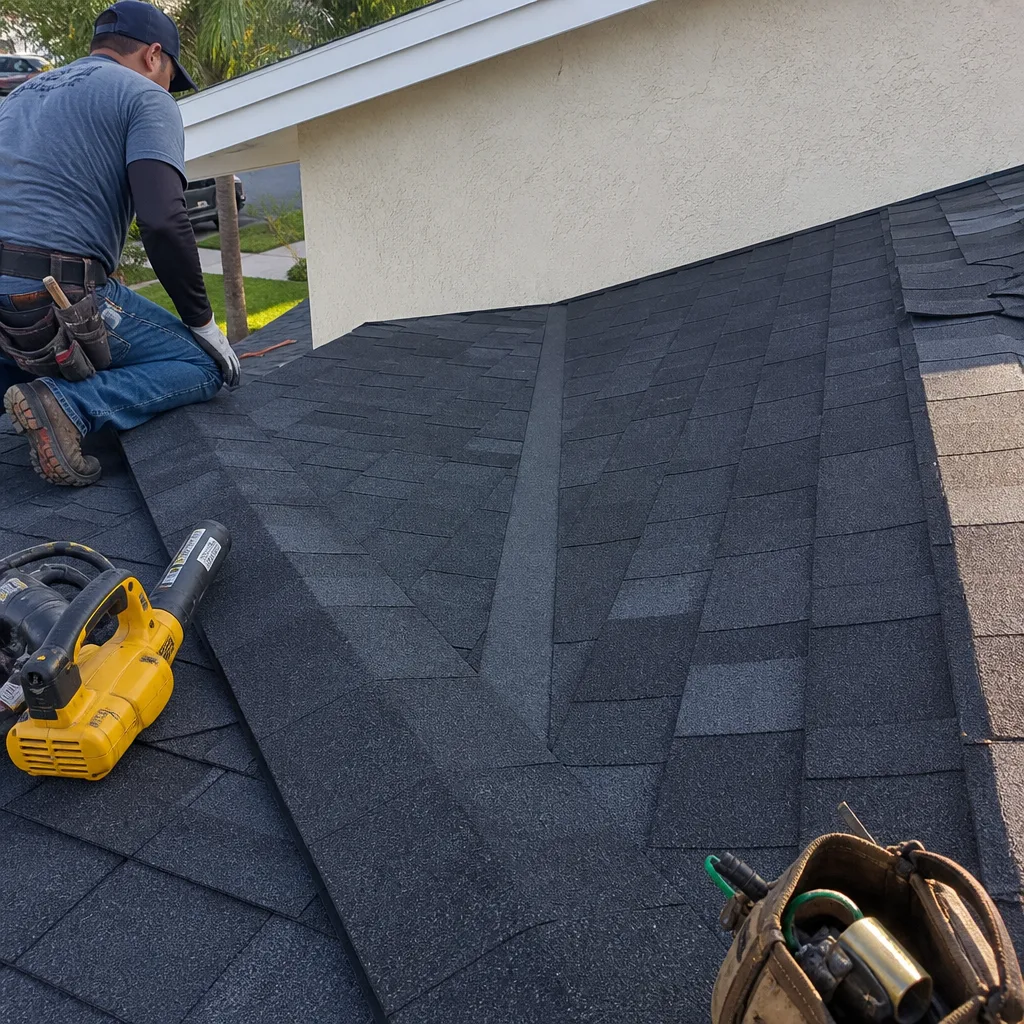 After
After